


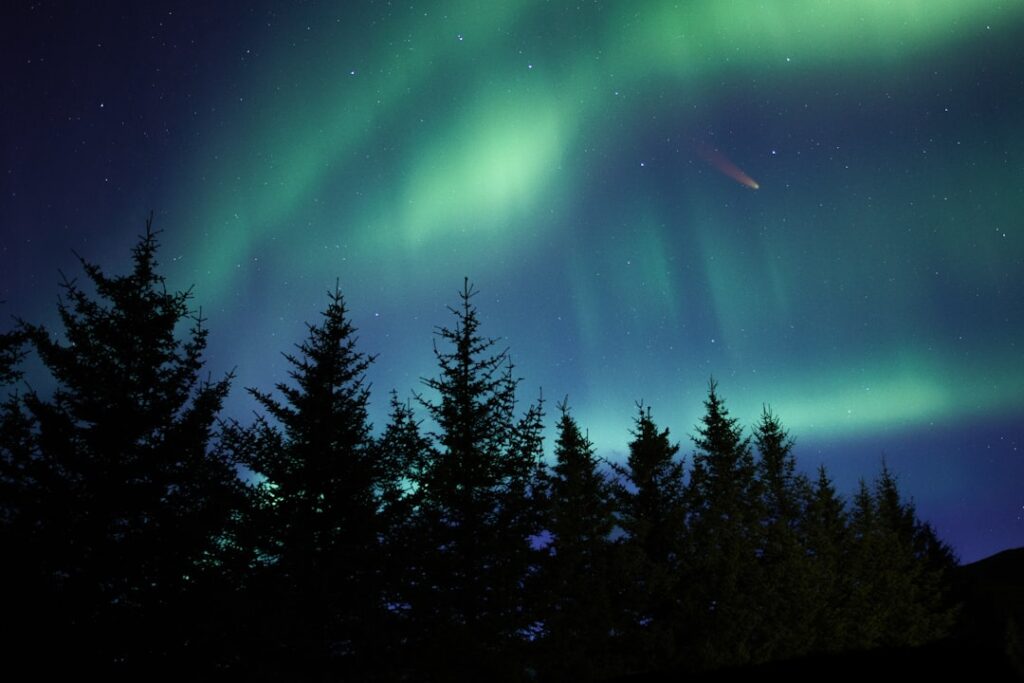
Aurora Borealis Forecast: A Guide to Catching the Northern Lights in the United States
The mesmerizing dance of the aurora borealis, or Northern Lights, is a natural phenomenon that captivates millions each year. As interest in this breathtaking spectacle grows, so does the importance of accurate aurora forecasts. In this post, we will explore the latest trends in aurora borealis forecasting in the United States, helping you maximize your chances of witnessing this awe-inspiring light show.
What is the Aurora Borealis?
The aurora borealis occurs when charged particles from the sun collide with gases in Earth’s atmosphere. This interaction produces a stunning display of lights that can shimmer in various colors, primarily green, pink, and purple. While the Northern Lights are typically visible in polar regions, they can occasionally be seen much further south during times of heightened solar activity.
Why is Aurora Borealis Forecasting Important?
For skywatchers and aurora chasers, understanding when and where to view the Northern Lights is key. Aurora forecasting allows individuals to plan their viewing trips around optimal conditions, increasing the chances of a successful sighting. Accurate forecasts consider solar activity, geomagnetic storms, and local weather conditions.
Current Trends in Aurora Borealis Forecasting
In recent years, advancements in technology have led to improved forecasting models and increased accessibility to aurora data for enthusiasts across the United States. Here are some of the current trends influencing aurora borealis forecasts:
- Real-Time Data: Many apps and websites now offer real-time aurora forecasts, providing updates as solar activity changes. These platforms utilize data from satellites monitoring solar wind and magnetic fields, giving users instant alerts.
- Social Media Impact: Social media platforms like Twitter and Instagram have become powerful tools for sharing aurora forecasts and sightings. Real-time updates from trusted meteorologists and aurora chasers keep the community informed and engaged.
- Increased Public Interest: The rise of interest in outdoor activities and natural phenomena has led to more public events and guided tours aimed at experiencing the aurora, thus driving demand for accurate forecasts.
How to Use Aurora Forecasts
When planning to catch the Northern Lights, keep these key elements in mind:
- Check Forecast Websites: Websites like NOAA and the University of Alaska are excellent sources for reliable aurora forecasts.
- Monitor Solar Activity: The KP index is a measure of geomagnetic activity that helps indicate potential auroral activity. A KP index of 5 or higher suggests a good chance of viewing the aurora.
- Choose Locations Wisely: Areas with little light pollution offer the best viewing opportunities. States like Alaska and parts of Northern Michigan, Minnesota, and Maine are ideal for aurora viewing.
Best Times to See the Aurora Borealis in the U.S.
The best time to view the aurora borealis in the United States generally falls between late September and early April. During this time, the nights are longer, allowing for extended viewing opportunities. However, it’s important to check specific forecasts to align with solar activity peaks.
Conclusion
The Aurora Borealis is a striking natural spectacle that continues to fascinate people across the United States. By staying informed through trending forecasts and understanding the best times and places to view the lights, you can enhance your chances of experiencing this breathtaking phenomenon. Keep an eye on solar activity and prepare for a night under the stars that you’ll never forget!
Read Also:
Tommy Robinson: The Controversial Figure Trending in the United States
Source:
Google Trends
{“@context”:”https://schema.org”,”@type”:”FAQPage”,”mainEntity”:[{“@type”:”Question”,”name”:”What is the best time of year to see the Aurora Borealis?”,”acceptedAnswer”:{“@type”:”Answer”,”text”:”The best time to see the Aurora Borealis in the U.S. is from late September to early April when nights are longer.”}},{“@type”:”Question”,”name”:”Where are the best places in the U.S. to view the Northern Lights?”,”acceptedAnswer”:{“@type”:”Answer”,”text”:”States like Alaska, parts of Michigan, Minnesota, and Maine are ideal locations for viewing the Northern Lights.”}}]}