


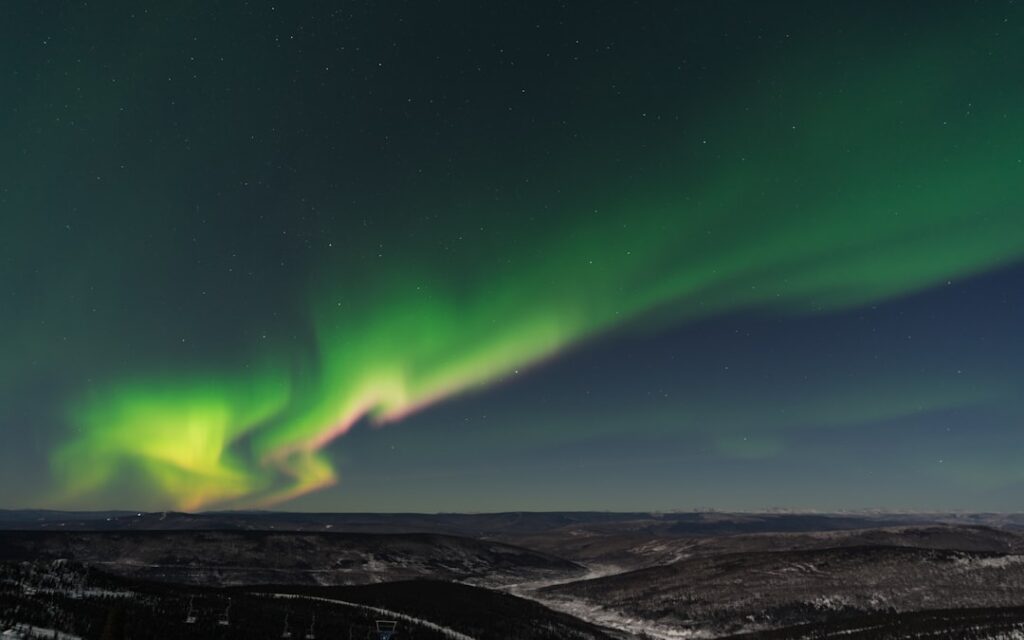
Aurora Forecast: Your Guide to the Northern Lights in the USA
The enchanting sight of the aurora borealis, commonly known as the Northern Lights, is a natural spectacle that captivates many. In recent times, the interest surrounding the aurora forecast in the United States has been surging, making it essential for enthusiasts to keep themselves updated. The aurora not only paints the skies in stunning hues of green, purple, and pink but also serves as a reminder of the beauty of nature. In this article, we will delve into how to track the aurora forecast and explore its significance in the United States.
Understanding Aurora Borealis
The aurora borealis is caused by the interaction between charged particles from the sun and the Earth’s magnetic field. When these particles collide with gases in the Earth’s atmosphere, they produce vibrant natural light displays that can be seen predominantly near the polar regions. While areas like Alaska and Northern Canada are renowned for their vistas, locations in the northern parts of the United States also offer opportunities to witness this breathtaking phenomenon.
Why the Aurora Forecast is Trending
The surge in interest surrounding the aurora forecast can be attributed to several factors. With advancements in technology, forecasting methods have become more accurate and easily accessible. Websites and apps that provide real-time aurora alerts have made it simpler for people across the U.S. to plan their aurora-viewing adventures. Furthermore, social media platforms are brimming with stunning images and videos of the aurora, inspiring both amateurs and seasoned photographers alike to seek out the lights.
How to Read an Aurora Forecast
An aurora forecast typically includes data on solar activity, which is crucial for predicting auroras. The two key indicators to consider are:
- Kp Index: This scale ranges from 0 to 9, with higher values indicating a greater likelihood of auroras being visible further south. A Kp index of 5 or above is usually considered ideal for spotting auroras in the contiguous United States.
- Solar Wind Speed: Higher solar wind speeds can lead to more intense and widespread auroras. Meteorologists often combine this information with satellite data to provide forecasts.
Best Times to View the Aurora in the USA
The best chances for viewing the aurora in the United States occur during solar maximum periods, which roughly follow an 11-year cycle. Spring and autumn months, specifically March and September, have also shown to be prime times due to prolonged nighttime hours and favorable weather conditions. Popular states for aurora sightings include:
- Alaska: Home to some of the best viewing locations like Fairbanks and Anchorage.
- Montana: Areas near Glacier National Park offer spectacular views.
- North Dakota: The remote areas provide clear skies and minimal light pollution.
- Maine: Northern parts, like Aroostook County, are renowned for aurora spotting.
Tools and Resources for Aurora Tracking
Several resources and tools can assist you in tracking auroras effectively. Popular websites like NOAA’s Space Weather Prediction Center and apps like “My Aurora Forecast” deliver real-time updates and alerts. Social media groups and local astronomical societies can also provide information on upcoming events and best viewing practices.
Prepare for Your Aurora Adventure
Once you’ve checked your aurora forecast, it’s time to prepare for your adventure. Ensure you have the right gear: warm layers, a camera with a tripod, and perhaps a thermos of hot chocolate for added comfort. Remember to pick a location away from urban lights for the best viewing experience. And, most importantly, have patience – sometimes nature requires you to wait a bit to witness its magic.
Conclusion
The aurora borealis is not merely a visual wonder; it represents the dynamic interactions of our planet and the cosmos. Keeping track of the aurora forecast allows you to experience this awe-inspiring natural phenomenon. As interest continues to grow, the opportunity to witness these magical lights is increasingly becoming a reality for many across the U.S. So gear up, check your forecast, and prepare for a night under the mesmerizing dance of the Northern Lights!
Read Also:
Quinta Brunson: The Rising Star Trending in the U.S.
Source:
Google Trends
{“@context”:”https://schema.org”,”@type”:”FAQPage”,”mainEntity”:[{“@type”:”Question”,”name”:”What is the aurora forecast?”,”acceptedAnswer”:{“@type”:”Answer”,”text”:”The aurora forecast predicts the likelihood of seeing the northern lights based on solar activity and space weather conditions.”}},{“@type”:”Question”,”name”:”How often does the aurora occur in the USA?”,”acceptedAnswer”:{“@type”:”Answer”,”text”:”The aurora can occur at any time but is most visible in the northernmost regions of the U.S. during solar maximum periods.”}},{“@type”:”Question”,”name”:”Can I see the aurora in places outside Alaska?”,”acceptedAnswer”:{“@type”:”Answer”,”text”:”Yes, states like Montana, North Dakota, and Maine also offer chances to see the aurora, especially during strong solar events.”}},{“@type”:”Question”,”name”:”What tools can I use to track the aurora forecast?”,”acceptedAnswer”:{“@type”:”Answer”,”text”:”You can use websites like NOAA’s Space Weather Prediction Center and apps like My Aurora Forecast to stay updated.”}}]}