


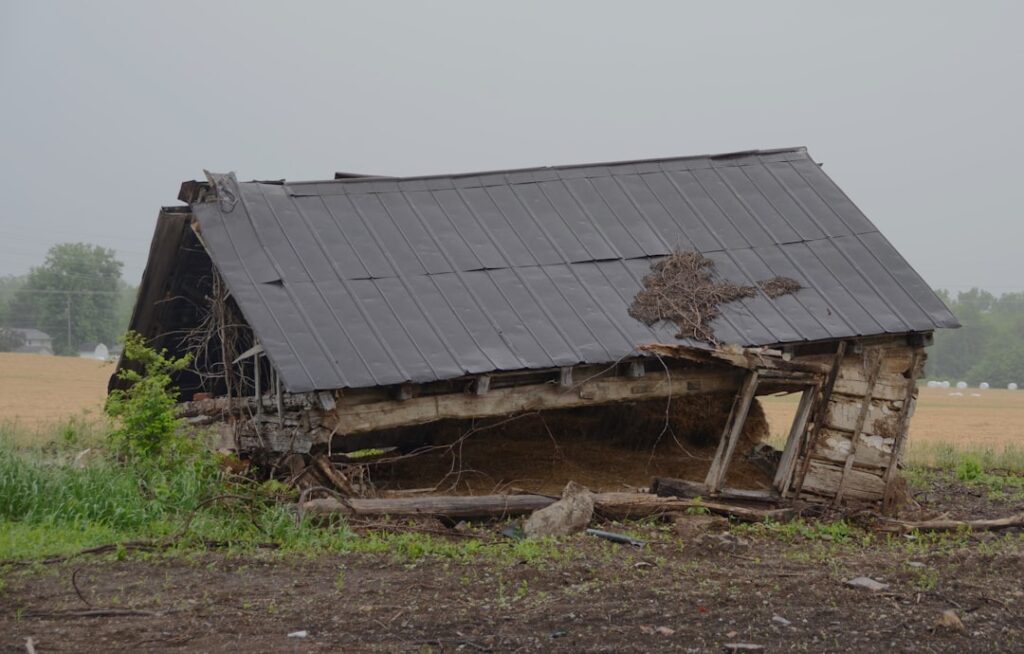
Storm Damage Restoration: A Comprehensive Guide
Storms can wreak havoc on homes and businesses, leading to extensive damage that requires quick and efficient restoration efforts. In this article, we’ll delve into the essentials of storm damage restoration, its importance, and the steps involved in the process.
Understanding Storm Damage
Storm damage can occur in various forms, including wind damage, flooding, fallen trees, and hail. The type of damage will largely depend on the severity of the storm and its specific characteristics. Understanding these forms of damage can help homeowners and business owners prepare for potential repairs.
The Importance of Timely Restoration
When a storm strikes, the clock starts ticking. Timely restoration is crucial to prevent further damage. Water intrusion from flooding can lead to mold growth within 24-48 hours, making it imperative to act swiftly. Property owners should contact a professional restoration company as soon as they are safe and able to do so.
Steps Involved in Storm Damage Restoration
The restoration process can be broken down into several critical steps:
- Assessment: A thorough evaluation of the damage helps to create a tailored restoration plan. Professionals will inspect the property for structural damage, water intrusion, and other issues.
- Water Removal: If flooding has occurred, prompt water removal is necessary. High-powered pumps and vacuums are employed to extract water and begin drying the affected areas.
- Drying and Dehumidification: After water removal, drying the area is essential. This involves using fans, dehumidifiers, and other equipment to ensure that no moisture is left that could cause mold growth.
- Mold Remediation: If mold is discovered during assessment, it must be removed immediately. This involves containment, filtration, and removal of contaminated materials.
- Repairs and Reconstruction: Once the area is dry and free of mold, repairs can begin. This may involve replacing flooring, repairing walls, and restoring any storm-damaged areas.
- Final Inspection: A final walkthrough ensures all issues are repaired and the property is safe for reoccupation.
Choosing the Right Restoration Company
Not all restoration companies are created equal. When selecting a service provider, consider the following:
- Look for companies that are licensed, insured, and certified in storm damage restoration.
- Check online reviews and request references to gauge the company’s reliability.
- Ask about their response time to ensure they can act quickly when necessary.
Preventing Future Storm Damage
While it’s impossible to control the weather, you can take steps to minimize potential storms’ impact on your property:
- Inspect your roof and gutters regularly to ensure they are in good condition.
- Secure any outdoor furniture or fixtures that could become projectiles during a storm.
- Consider investing in sump pumps or flood barriers if you are in a flood-prone area.
Final Thoughts
Storm damage restoration is a critical process that should not be overlooked. By acting quickly and choosing the right professionals, homeowners and businesses can effectively recover from storm damage and prevent future issues. Remember, prevention is the best strategy when it comes to protecting your property from the unpredictable power of nature.
Read Also:
Usha Vance: Rising Star Captivating America
Source:
Google Trends
{“@context”:”https://schema.org”,”@type”:”FAQPage”,”mainEntity”:[{“@type”:”Question”,”name”:”How long does storm damage restoration take?”,”acceptedAnswer”:{“@type”:”Answer”,”text”:”The duration of storm damage restoration varies based on the extent of the damage; however, with timely intervention, it typically ranges from a few days to several weeks.”}},{“@type”:”Question”,”name”:”What should I do first after a storm damages my home?”,”acceptedAnswer”:{“@type”:”Answer”,”text”:”Ensure your safety first. Once you’re safe, document the damage and contact a storm damage restoration professional to assess and address the issues.”}}]}