


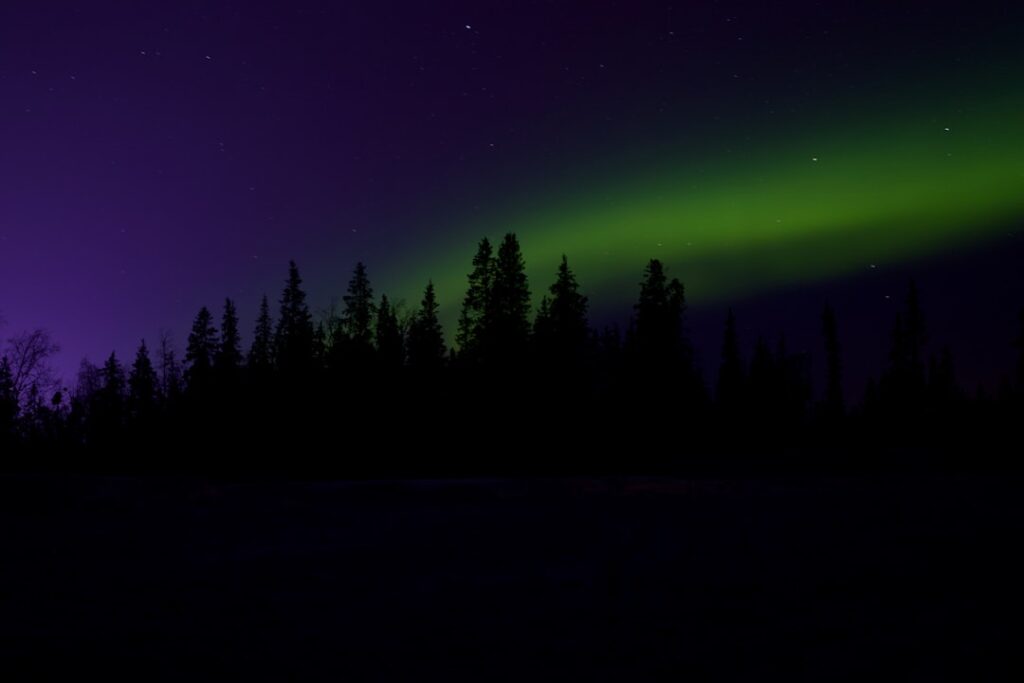
Experience the Magic of the Northern Lights: A Trending Phenomenon in the United States
The Northern Lights, also known as the Aurora Borealis, have captured the imaginations of countless individuals across the globe. In the United States, sightings of this magnificent natural light display are trending, drawing adventurers and nature lovers alike. This blog post explores the allure of the Northern Lights, the best viewing spots, and tips for experiencing this celestial wonder.
What Are the Northern Lights?
The Northern Lights are caused by the interaction of solar winds with the Earth’s magnetic field. When charged particles from the sun collide with gases in the Earth’s atmosphere, they create stunning displays of colorful lights that dance across the sky. These phenomena are most commonly seen in polar regions, but certain areas in the United States offer incredible opportunities for viewing.
Where to See the Northern Lights in the United States
While the Northern Lights are primarily visible in places closer to the Arctic Circle, several regions in the U.S. provide optimal viewing conditions:
- Alaska: One of the best places to witness the Aurora Borealis in the U.S. is Fairbanks, which boasts clear skies and minimal light pollution.
- Yellowstone National Park: This national park offers stunning landscapes and a chance to see the lights during the winter months.
- North Dakota: Areas like the Theodore Roosevelt National Park present excellent vantage points.
- Maine: The northern parts of Maine, particularly around Aroostook County, can provide spectacular views.
- Michigan: The Upper Peninsula, especially the Keweenaw Peninsula, is known for its Northern Lights displays.
Best Time to View the Northern Lights
The best time to see the Northern Lights is during the winter months when nights are longer and skies are darker. Typically, the peak viewing season runs from late September to early April. Clear skies are essential for a successful viewing, so it’s crucial to keep an eye on weather forecasts and aurora predictions.
Tips for Experiencing the Northern Lights
- Choose the Right Location: Find a dark area away from city lights for the best experience.
- Check Aurora Forecasts: Websites and apps provide real-time forecasts on aurora activity.
- Dress Warmly: Temperatures can drop significantly at night, so dressing in layers is essential.
- Bring a Camera: Capture the magical moments of the Northern Lights with a camera that has long exposure capabilities.
- Be Patient: It may take time for the lights to appear, so be prepared to wait and enjoy the serenity of the night sky.
The Growing Popularity of Northern Lights Tours
With the rising interest in experiencing the Northern Lights, many tour companies in the U.S. now offer guided experiences. These tours often include transport to prime viewing locations, photography assistance, and informed guides who can provide insights into this scientific wonder.
Conclusion
The Northern Lights remain a trending and sought-after experience in the United States. As fascination with natural wonders continues to grow, so too does the desire to witness this awe-inspiring display. With the right planning and preparation, you can increase your chances of experiencing the mesmerizing dance of the Aurora Borealis. Will you be one of the lucky few to see this spectacle in person?
Read Also:
Exploring Paradise Season 3: What to Expect from the Trending Show
Source:
Google Trends
{“@context”:”https://schema.org”,”@type”:”FAQPage”,”mainEntity”:[{“@type”:”Question”,”name”:”What causes the Northern Lights?”,”acceptedAnswer”:{“@type”:”Answer”,”text”:”The Northern Lights are caused by solar winds colliding with the Earth’s magnetic field and atmosphere, producing colorful light displays.”}},{“@type”:”Question”,”name”:”When is the best time to view the Northern Lights in the U.S.?”,”acceptedAnswer”:{“@type”:”Answer”,”text”:”The best time to view the Northern Lights is from late September to early April during winter months when nights are longer and darker.”}}]}