


Immersive Navigation on Google Maps: A Game-Changer
In an era where digital navigation is pivotal to our daily lives, Google Maps is raising the bar with its immersive navigation features. As this trend gains traction in the United States, let’s explore what immersive navigation is and how it is transforming our travel experiences.
Understanding Immersive Navigation
Immersive navigation on Google Maps goes beyond simple directions. It utilizes advanced technologies like augmented reality (AR) and 3D mapping to offer users an intuitive way to explore their surroundings. Users can visualize their routes with real-time overlays, enhancing their understanding of the local environment.
Why is Immersive Navigation Trending?
Several factors contribute to the rising popularity of immersive navigation:
- Enhanced User Experience: The interactive features make navigation more engaging, allowing users to feel more connected to the places they visit.
- Improved Accuracy: With 3D graphics and AR, locating specific entrances or landmarks becomes much easier, minimizing misunderstandings when following directions.
- Advent of Smart Devices: As smartphones and AR glasses become commonplace, the demand for more immersive experiences is growing.
How Immersive Navigation Works
At its core, immersive navigation harnesses AR technology to overlay digital information on the real world. For instance, when a user points their smartphone at a street, they can see virtual arrows guiding them, information about nearby restaurants, and even transit updates. This feature is particularly useful in bustling urban environments where traditional maps can feel overwhelming.
Real-Life Applications
How does this technology fit into everyday life? Consider the following scenarios:
- City Exploration: Tourists and locals alike can utilize immersive navigation to discover hidden gems in their cities.
- Safe Travel: Navigating unfamiliar areas becomes safer, as users can visually identify destinations before they arrive.
- Public Transport Navigation: Getting from point A to B on public transportation is simplified with real-time updates and directions overlaid directly on the user’s environment.
Google Maps vs. Other Navigation Apps
While several apps provide mapping services, Google Maps has consistently led the way thanks to its investment in technology and user experience. Features such as:
- Comprehensive local business information
- Real-time traffic updates
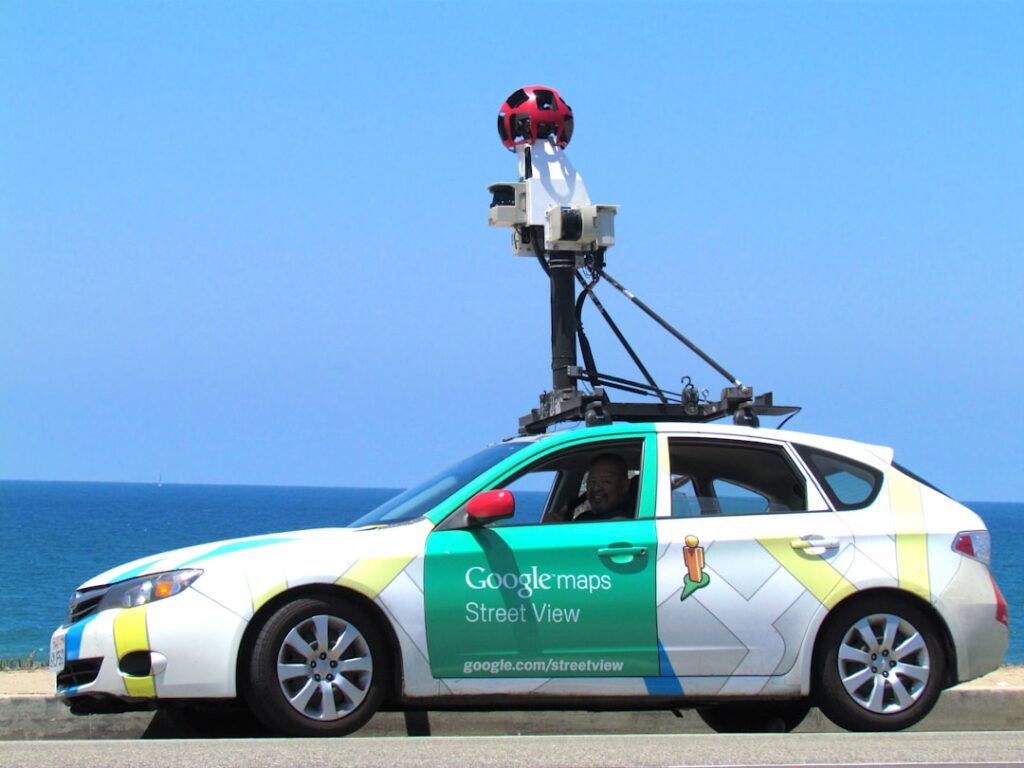
- Street View functionality
set it apart, making it the go-to choice for millions across the United States.
Challenges Ahead
Despite its numerous benefits, immersive navigation presents challenges. The primary concern is user privacy—blending AR with real-time location data raises questions about data protection. Additionally, the accuracy of AR overlays is crucial; any errors could lead to confusion rather than help. As the technology evolves, developers must address these issues to maintain user trust and satisfaction.
Conclusion
The move towards immersive navigation on Google Maps represents a significant shift in how we interact with our environments. As technology continues to advance, the potential for personal and enriching travel experiences will only grow greater. Whether you’re wandering through a new city or simply navigating your neighborhood, immersive navigation is set to revolutionize our sense of direction.
Get Started with Immersive Navigation
Ready to try it? Update your Google Maps app today to experience the future of navigation for yourself!
Read Also:
Ilber Ortaylı: The Scholar Making Waves in the United States
Source:
Google Trends
{“@context”:”https://schema.org”,”@type”:”FAQPage”,”mainEntity”:[{“@type”:”Question”,”name”:”What is immersive navigation?”,”acceptedAnswer”:{“@type”:”Answer”,”text”:”Immersive navigation uses augmented reality and 3D mapping to provide an interactive user experience for navigation.”}},{“@type”:”Question”,”name”:”How does Google Maps implement immersive navigation?”,”acceptedAnswer”:{“@type”:”Answer”,”text”:”Google Maps enhances navigation with real-time AR overlays that guide users visually and provide location-based information.”}}]}