


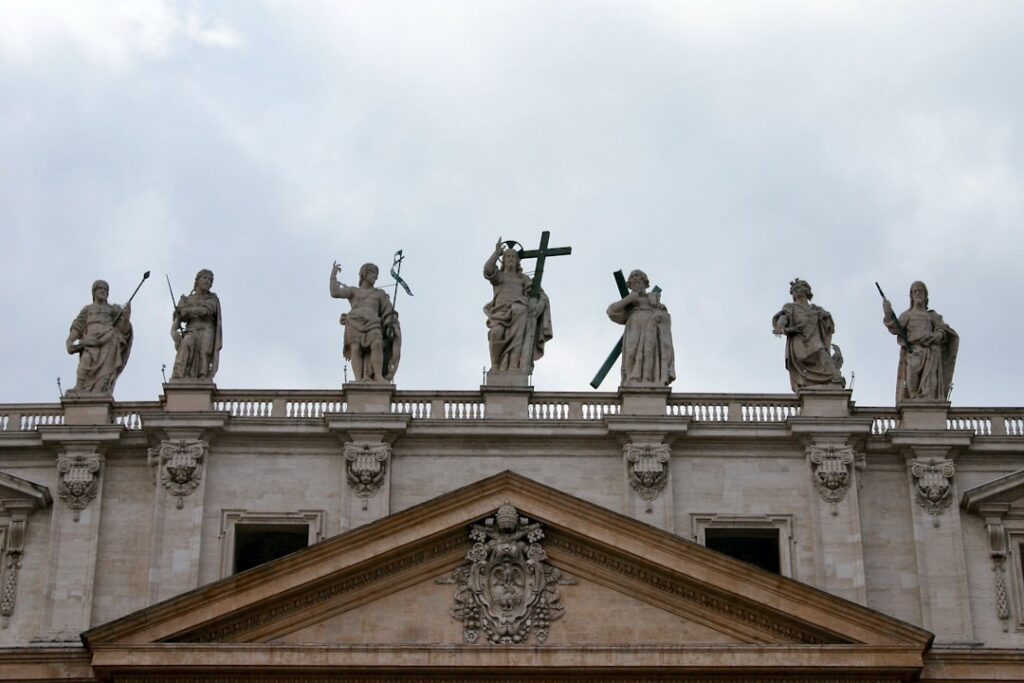
Exploring the Legacy of Pope Leo: A Historical Perspective
Pope Leo, a name that resonates with many, has recently been trending in the United States. His profound impact on the Catholic Church and the broader historical context has sparked renewed interest. In this blog post, we’ll explore who Pope Leo was, his contributions, and why he remains a relevant figure today.
Who Was Pope Leo?
Pope Leo, most notably Pope Leo I (440-461 AD), was one of the early popes who significantly shaped the church’s views and doctrines. He is well-known for his role in defining the nature of Christ and addressing heretical teachings of his time. His writings, particularly the famous “Tome of Leo,” played a crucial role during the Council of Chalcedon, which established foundational Christological doctrines.
Pope Leo’s Major Contributions
Pope Leo’s leadership marked a turning point in Christendom as he asserted the authority of the papacy. Here are some of his notable contributions:
- The Doctrine of the Incarnation: Pope Leo staunchly defended the doctrine of the Incarnation, emphasizing that Jesus Christ is both fully divine and fully human.
- The Tome of Leo: This pivotal document clarified Christological beliefs and was instrumental during the Council of Chalcedon in 451 AD, distinguishing orthodox beliefs from heretical ones.
- Political Influence: Pope Leo was also significant in his diplomatic efforts. He famously confronted Attila the Hun, persuading him not to attack Rome, which highlights the pope’s role as a protector of the city.
Pope Leo and the Modern Era
In today’s context, Pope Leo’s legacy is multifaceted. The recent discussions around him in the U.S. stem from a renewed interest in ecclesiastical authority and leadership roles within the church. As the world grapples with various moral and ethical dilemmas, Pope Leo’s teachings offer relevant insights. His emphasis on doctrinal clarity and leadership could provide guidance amidst contemporary challenges.
Why the Fascination with Pope Leo?
The resurgence of interest in Pope Leo in the United States can be attributed to several factors:
- Leadership Lessons: As various leaders emerge in different sectors, Pope Leo’s leadership style, characterized by his strength and commitment to truth, is being examined.
- The Role of the Church Today: In a time when many question the church’s role in society, Pope Leo’s approach to social issues provides a historical blueprint for addressing contemporary matters.
- Educational Initiatives: Various educational organizations and theological seminaries are incorporating Pope Leo’s teachings into their curricula, emphasizing the importance of historical perspectives on faith.
Conclusion
Pope Leo remains a compelling figure whose influence extends beyond the confines of history. His teachings and leadership style offer valuable lessons for modern times. As discussions continue, understanding Pope Leo’s contributions will undoubtedly enrich our perspective on leadership, authority, and faith.
Read Also:
Vanna White: A Legendary Icon Trending in the United States
Source:
Google Trends
{“@context”:”https://schema.org”,”@type”:”FAQPage”,”mainEntity”:[{“@type”:”Question”,”name”:”What is the significance of Pope Leo I?”,”acceptedAnswer”:{“@type”:”Answer”,”text”:”Pope Leo I is significant for his contributions to Christological doctrine and his role in asserting the authority of the papacy during a pivotal time in church history.”}},{“@type”:”Question”,”name”:”Why has Pope Leo become a trending topic in the U.S.?”,”acceptedAnswer”:{“@type”:”Answer”,”text”:”Pope Leo has become trending due to renewed interest in his teachings and their relevance to modern leadership and church authority issues.”}}]}