


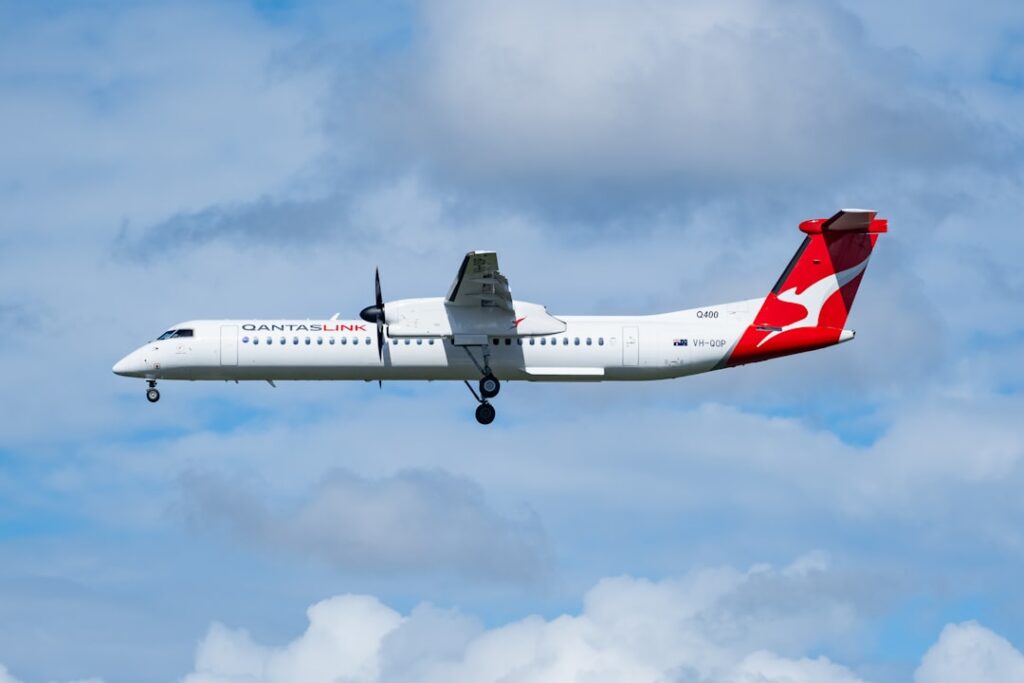
Exploring the Rise of Regional Airlines in the United States
In recent years, the airline industry in the United States has seen a significant surge in the popularity of regional airlines. These carriers have started to play a crucial role in connecting smaller cities to major hubs, providing passengers with more options and affordable travel. This trend is not just reshaping the airline landscape; it’s enhancing regional economies as well.
What are Regional Airlines?
Regional airlines are carriers that primarily operate shorter routes and often serve smaller airports. They typically operate under larger airlines’ brands through codeshare agreements. These airlines can be pivotal in offering flights to communities that might otherwise be underserved.
The Growth of Regional Airlines
According to recent industry analyses, regional airlines are experiencing substantial growth, driven by several factors such as increased demand for air travel and a rising number of passengers looking for convenient travel options. Furthermore, regional carriers are proving resilient as they adapt to changing market conditions, enhancing their fleets with more efficient aircraft.
Impact on Local Economies
Regional airlines significantly contribute to local economies by generating jobs, stimulating tourism, and enhancing business connectivity. Cities with strong regional airlines often report increased productivity and economic growth as local businesses gain easier access to larger markets.
Enhanced Connectivity
One of the biggest advantages of regional airlines is their ability to provide enhanced connectivity. For instance, a passenger flying from a small town can easily connect to major cities via a regional airline, reducing travel time and improving convenience. This connectivity is essential in a vast country like the United States, where distances can be considerable.
Popular Regional Airlines to Watch
- SkyWest Airlines: Operating as America’s largest regional airline, it services a variety of destinations across the U.S.
- Alaska Airlines: Known for its excellent customer service, it has expanded significantly in the regional market.
- Envoy Air: As a wholly-owned subsidiary of American Airlines, Envoy provides vital links to regional routes.
Challenges Facing Regional Airlines
Despite their growth, regional airlines face significant challenges. These include competition from low-cost carriers, rising operational costs, and pilot shortages. Regulatory changes can also impact their operations, making it imperative for them to innovate constantly.
The Future of Regional Airlines
Looking ahead, regional airlines are likely to continue shaping the future of air travel in the U.S. as they adapt to new technologies, passenger preferences, and environmental considerations. With a focus on sustainability and efficiency, regional airlines could serve as a model for the entire airline industry.
Conclusion
The increasing prominence of regional airlines in the United States reflects a broader trend towards more accessible and convenient air travel. As these airlines grow, they enhance economic opportunities and foster connectivity between communities, ensuring that travel remains within reach for all.
Read Also:
Sue Bird: A Glorious Career in Women's Basketball
Source:
Google Trends
{“@context”:”https://schema.org”,”@type”:”FAQPage”,”mainEntity”:[{“@type”:”Question”,”name”:”What are some examples of regional airlines in the United States?”,”acceptedAnswer”:{“@type”:”Answer”,”text”:”Examples of regional airlines include SkyWest Airlines, Envoy Air, and Alaska Airlines, each serving vital links to various destinations.”}},{“@type”:”Question”,”name”:”How do regional airlines impact local economies?”,”acceptedAnswer”:{“@type”:”Answer”,”text”:”Regional airlines boost local economies by creating jobs, enhancing business connectivity, and stimulating tourism through improved access.”}}]}