


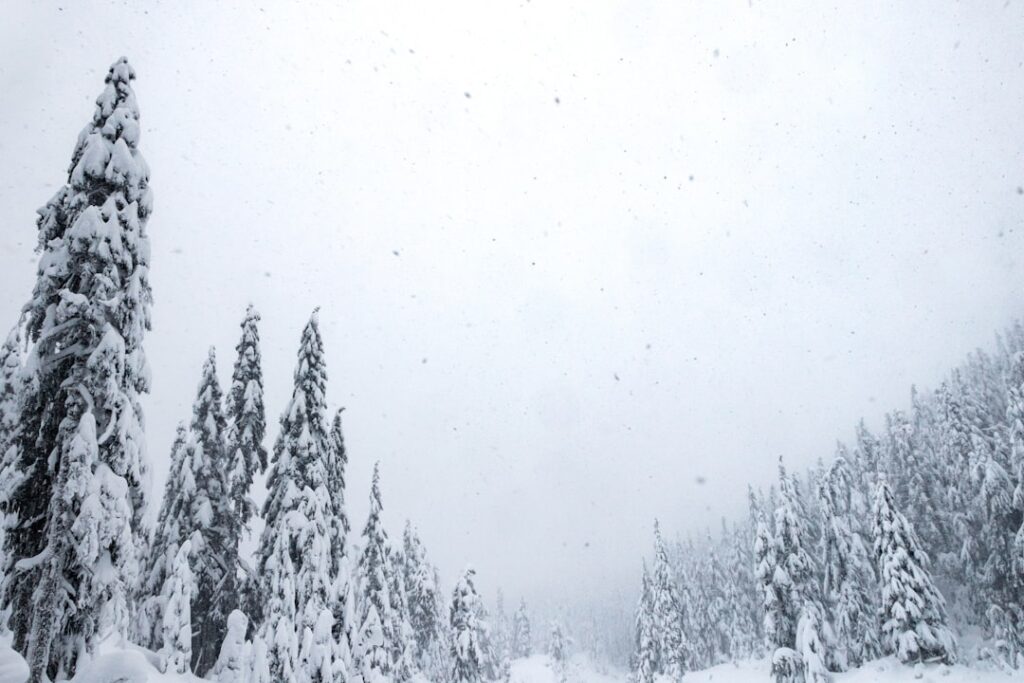
Understanding Heavy Snow Warnings in the United States
As winter settles in across the United States, the National Weather Service (NWS) frequently issues heavy snow warnings, signaling significant snowfall and potential hazards. This blog post aims to inform you about what a heavy snow warning entails, its implications, and safety measures to take.
What is a Heavy Snow Warning?
A heavy snow warning is issued when the forecast predicts snowfall of 6 inches or more within a 12-hour period, or 8 inches or more within a 24-hour period. These thresholds may vary based on geographic location, but the intent remains the same: alerting residents to prepare for severe winter weather conditions.
Current Trends: Heavy Snow Warnings Across the U.S.
This winter, heavy snow warnings are trending across various regions in the U.S., particularly in the Northeast, Midwest, and the Rockies. According to meteorological reports, some areas are expected to receive upwards of 12 inches of snow, causing disruptions in daily life and travel.
Areas Affected
States such as New York, Michigan, and Colorado are bracing for substantial snowfall. Authorities are recommending that residents monitor weather updates to stay safe and informed. Sacramento, California, surprisingly, also received a heavy snow warning, a rarity in that region. The NWS is collaborating with local governments to ensure public safety during this winter anomaly.
Impacts of Heavy Snow
Heavy snowfall can lead to several challenges, including:
- Travel Disruptions: Snow-covered roads can result in hazardous driving conditions, leading to accidents and delays.
- Power Outages: Accumulated snow on power lines can cause outages, particularly if combined with strong winds.
- School Closures: Many schools may choose to delay or close entirely due to safety concerns.
How to Prepare for Heavy Snow
Preparation is key when facing a heavy snow warning. Here are some best practices to follow:
- Stay Informed: Keep an eye on local weather reports, and follow safety guidelines provided by local authorities.
- Stock Up on Essentials: Ensure you have food, water, medications, and other necessities in case travel becomes difficult.
- Winterize Your Vehicle: If you must travel, make sure your vehicle is equipped for winter conditions, including snow tires and emergency supplies.
- Clear Your Driveway and Sidewalk: Before the snow accumulates, have a plan for shoveling or snow-blowing your walkways and driveways to ensure safety.
Emergency Services and Resources
If you find yourself in a situation where heavy snow makes it impossible to travel, reach out to local emergency services for assistance. Websites like Ready.gov offer extensive resources on winter preparedness, including emergency kits and survival tips.
Conclusion
Heavy snow warnings are serious alerts that should not be taken lightly. By understanding their implications and preparing accordingly, you can ensure the safety of yourself and your loved ones this winter season. Stay safe, stay informed, and remember that winter weather can be unpredictable.
Read Also:
Brandon Miller: The Rising Star Taking the U.S. Sports Scene by Storm
Source:
Google Trends
{“@context”:”https://schema.org”,”@type”:”FAQPage”,”mainEntity”:[{“@type”:”Question”,”name”:”What should I do during a heavy snow warning?”,”acceptedAnswer”:{“@type”:”Answer”,”text”:”Stay indoors, avoid unnecessary travel, and monitor local news for updates and advice.”}},{“@type”:”Question”,”name”:”How does a heavy snow warning differ from a winter storm watch?”,”acceptedAnswer”:{“@type”:”Answer”,”text”:”A heavy snow warning indicates that heavy snowfall is imminent, while a winter storm watch means conditions are possible but not certain.”}}]}