


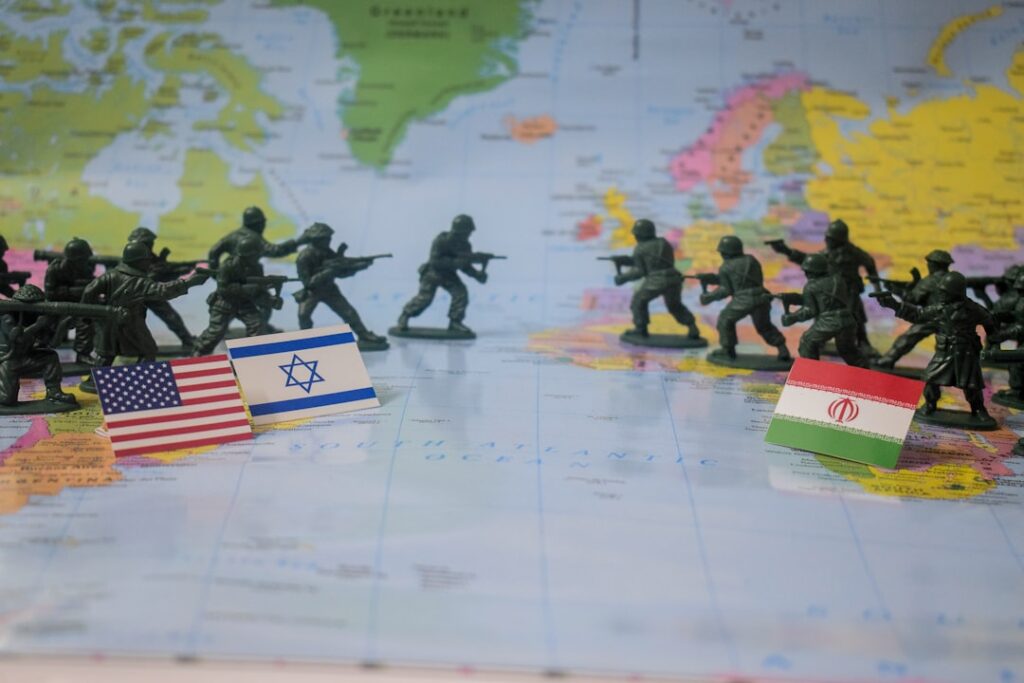
Understanding the Iran-Israel Conflict
The Iran-Israel war has gained significant traction in discussions across the United States, as tensions continue to rise in the Middle East. This article aims to break down the complex dynamics of the conflict, its historical context, and its implications for global security.
A Brief Historical Overview
The roots of the Iran-Israel conflict can be traced back to the Islamic Revolution of 1979, which dramatically shifted the power dynamics in the region. Iran, once an ally of Israel, became an adversary, leading to a series of proxy wars and escalating hostilities.
Current Tensions and Military Engagements
Recent months have witnessed an uptick in military engagements between Iranian forces and Israeli defense systems. Iranian military advancements, including missile capabilities and drone technology, have provoked Israel to bolster its defense strategies, including targeted airstrikes on Iranian military assets in Syria.
The Role of Other Nations
The involvement of other nations complicates the Iran-Israel narrative. The United States has positioned itself as a staunch ally of Israel, providing military aid and intelligence to counteract Iranian influence. In contrast, countries like Russia and China have formed relationships with Iran, further complicating the geopolitical landscape.
Economic Impacts
The ongoing conflict has substantial economic repercussions, not just for the nations directly involved but for the global market. Oil prices have seen fluctuations based on the volatility in the region, which directly affects economies reliant on oil imports. Additionally, sanctions imposed on Iran have led to a reduction in trade opportunities.
Public Sentiment in the United States
As the Iran-Israel war continues to trend in the U.S., public sentiment remains deeply divided. Advocacy groups on both sides push their agendas, influencing political discourse and legislative decisions regarding foreign aid and military involvement. Consequently, understanding the nuances of this conflict is crucial for informed citizenry and governance.
Future Prospects
The future of the Iran-Israel conflict remains uncertain. Escalating military engagements could lead to an all-out war, while diplomatic efforts could provide a framework for peace. The recent Abraham Accords, promoting normalization between Israel and several Arab nations, could serve as a catalyst for change in the region.
Conclusion
As the Iran-Israel war continues to unfold, staying informed about its developments is vital for understanding its broader implications. The conflict not only affects the Middle East but also reverberates through global politics, economics, and security. Engaging in constructive dialogues and advocating for peaceful resolutions should be paramount as we navigate these complex issues.
Read Also:
Dennis Condrey: The Legacy of a Wrestling Icon
Source:
Google Trends
{“@context”:”https://schema.org”,”@type”:”FAQPage”,”mainEntity”:[{“@type”:”Question”,”name”:”What triggered the Iran-Israel conflict?”,”acceptedAnswer”:{“@type”:”Answer”,”text”:”The conflict began after the Islamic Revolution of 1979, fundamentally altering relations between Iran and Israel.”}},{“@type”:”Question”,”name”:”How does the Iran-Israel war affect global security?”,”acceptedAnswer”:{“@type”:”Answer”,”text”:”The war impacts global security by influencing oil prices, regional stability, and international relations, particularly involving the U.S., Russia, and China.”}},{“@type”:”Question”,”name”:”What role does the U.S. play in the Iran-Israel conflict?”,”acceptedAnswer”:{“@type”:”Answer”,”text”:”The U.S. serves as a key ally of Israel, providing military support and intelligence, while also imposing sanctions on Iran.”}}]}