


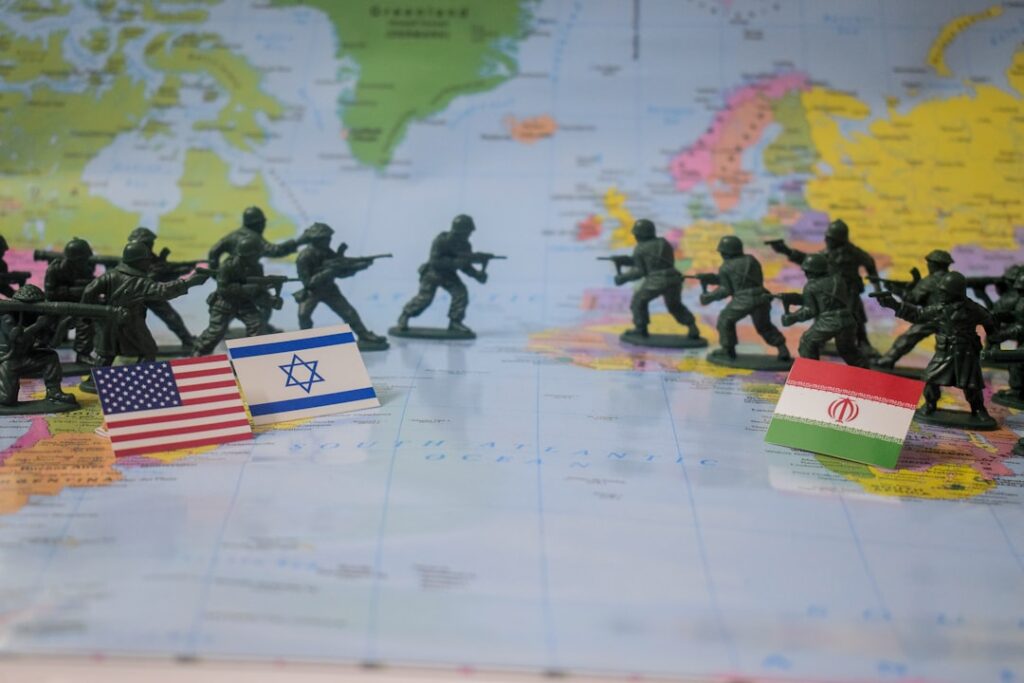
The Israel-Iran War: Understanding the Rising Tensions
The geopolitical landscape of the Middle East is as complex as it is volatile. Among the many conflicts, the rising tensions between Israel and Iran have captured global attention, particularly in the United States. In this article, we delve deep into the reasons behind this brewing conflict, its implications, and the potential outcomes.
Historical Context
To understand the present situation, it is essential to consider the historical context of Israel-Iran relations. Following the 1979 Iranian Revolution, diplomatic ties between Israel and Iran severed, transforming Iran from a regional ally to a vocal adversary. Iran’s support for anti-Israel groups such as Hezbollah and its nuclear ambitions have further escalated tensions.
Current Tensions and Warfare
As of 2023, the Israel-Iran conflict has transitioned from proxy battles to more direct confrontations. Israel has conducted numerous airstrikes on Iranian military installations in Syria and has targeted shipments of advanced weaponry destined for Hezbollah. In response, Iran has ramped up its rhetoric and military posturing.
The Role of the United States
The United States has historically maintained a strong alliance with Israel, viewing it as a strategic partner in the Middle East. Recent developments have led American policymakers to reconsider their approach to the Iran-Israel conflict, especially amidst concerns over Iranian nuclear capabilities and its influence in the region.
Implications for Global Stability
Any escalation of the Israel-Iran conflict could have far-reaching consequences. A full-blown war could disrupt oil markets, threaten international shipping routes, and lead to wider regional conflicts involving other nations. The ramifications would not only affect the Middle East but also have global consequences, echoing through worldwide economies.
What Lies Ahead?
As tensions mount, many are left wondering about the future of Israel-Iran relations. While diplomatic solutions remain on the table, the possibility of military engagement looms large. Key factors will include the domestic politics of both nations, the role of international stakeholders, and the potential for economic sanctions against Iran.
Conclusion
The Israel-Iran war is not just a regional issue; it is a global concern that requires the attention of policymakers worldwide. Understanding the historical context and current dynamics is crucial for predicting future developments and mitigating risks.
Read Also:
Shawn Hatosy: The Rising Star Captivating America
Source:
Google Trends
{“@context”:”https://schema.org”,”@type”:”FAQPage”,”mainEntity”:[{“@type”:”Question”,”name”:”What are the main causes of the Israel-Iran conflict?”,”acceptedAnswer”:{“@type”:”Answer”,”text”:”The conflict is primarily driven by religious differences, territorial disputes, and geopolitical strategies, particularly Iran’s support for groups hostile to Israel.”}},{“@type”:”Question”,”name”:”How does the U.S. influence the Israel-Iran conflict?”,”acceptedAnswer”:{“@type”:”Answer”,”text”:”The United States plays a significant role through military support for Israel, sanctions against Iran, and diplomatic efforts to address nuclear proliferation.”}}]}