


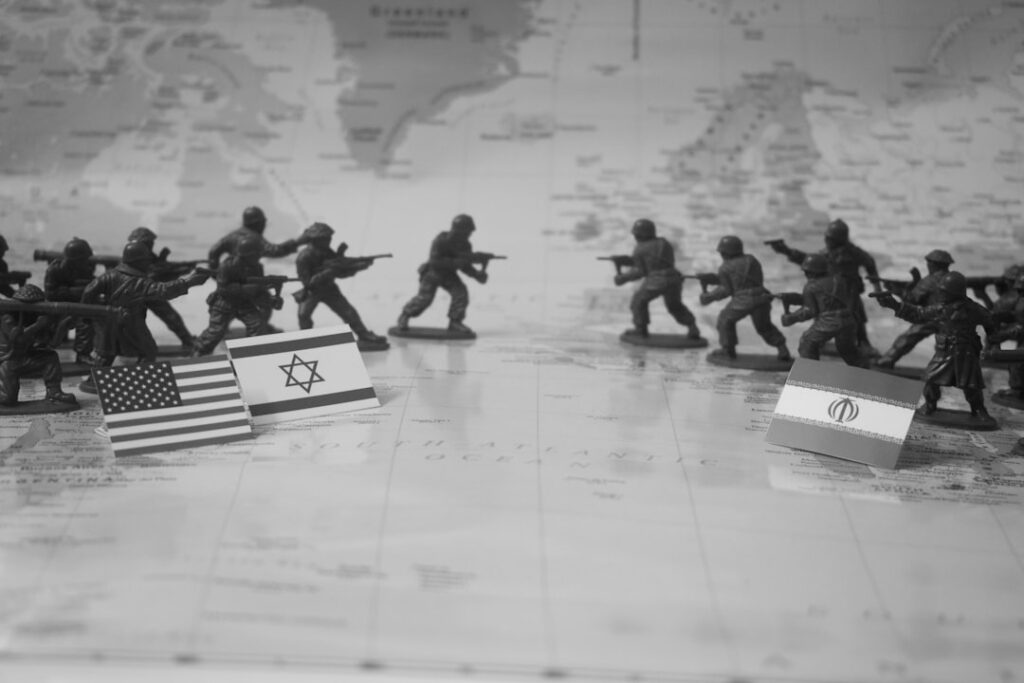
Understanding the Israel-Iran War: A Growing Concern for the U.S.
The ongoing tensions between Israel and Iran have escalated into discussions of a potential war, capturing the attention of the United States and the global community. As the situation unfolds, it becomes increasingly vital to understand the background, current events, and potential implications of an Israel-Iran conflict.
The Historical Context of Israel-Iran Relations
Israel and Iran’s relationship has been fraught with tension since the 1979 Iranian Revolution, which established an Islamic Republic and led to a hardline stance against Israel. Over the decades, Iran has consistently supported anti-Israel groups like Hezbollah and Hamas, exacerbating the hostilities and framing the regional landscape.
Recent Developments
2023 has witnessed significant military posturing from both sides. Iran has been accused of increasing its support for militant groups, while Israel has conducted numerous airstrikes targeting Iranian positions in Syria to thwart potential threats. The U.S. has responded by collaborating with Israel to enhance its defense capabilities, aware that the fallout from this conflict could have dire consequences.
Why Should the U.S. Care?
The potential for war between Israel and Iran is not just a regional issue; it has far-reaching implications for U.S. foreign policy, security, and economy. A military conflict could disrupt oil supplies, lead to chaos in the region, and require American military involvement, prompting significant political debates domestically.
Impact on Global Politics
A war between Israel and Iran could redraw the geopolitical map of the Middle East. The repercussions might extend far beyond the borders of these two nations, affecting relations with other countries such as Saudi Arabia and the broader Arab world. The U.S. stands at a crossroads, needing to balance its support for Israel with strategic relations in a volatile region.
Public Sentiment in the U.S.
Public opinion in the United States regarding the Israel-Iran situation varies widely. Some advocate strong support for Israel and its right to defend itself, while others express concern over military interventions and the potential for loss of life. This divide reflects broader themes in U.S. foreign policy, where citizens are increasingly vocal about their perspectives on international conflicts.
Conclusion: Preparing for Uncertainty
As the situation between Israel and Iran continues to evolve, the United States must carefully navigate its foreign policy to mitigate risks and strengthen alliances. Engaging in diplomatic efforts while being prepared for military contingencies will be key as we move forward.
Read Also:
Exploring the Rise of Xbox Cloud Gaming in the United States
Source:
Google Trends
{“@context”:”https://schema.org”,”@type”:”FAQPage”,”mainEntity”:[{“@type”:”Question”,”name”:”What triggered the current tensions between Israel and Iran?”,”acceptedAnswer”:{“@type”:”Answer”,”text”:”The tensions are rooted in Iran’s support for anti-Israel militant groups and ongoing military actions from Israel to counter perceived threats.”}},{“@type”:”Question”,”name”:”How could a war between Israel and Iran affect the U.S.?”,”acceptedAnswer”:{“@type”:”Answer”,”text”:”A war could disrupt oil supplies, challenge U.S. foreign policy, and potentially require military involvement, impacting American security and economy.”}}]}