


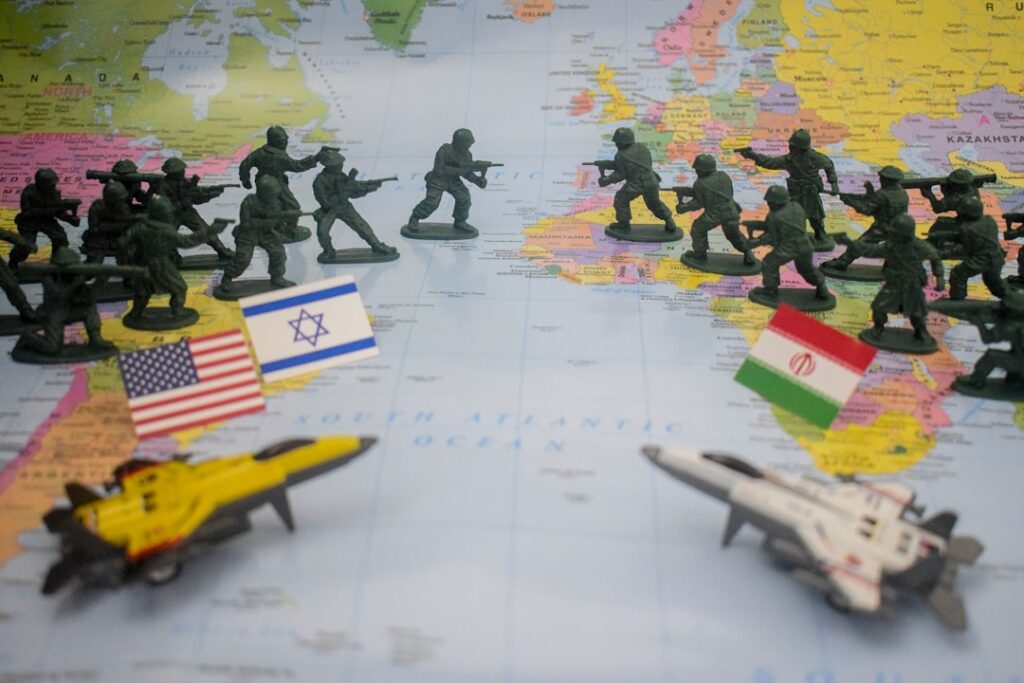
The Israel-Iran War: An Overview
The ongoing tensions between Israel and Iran have escalated significantly in recent years, sparking fears of an all-out war.
Historical Context
Relations between Israel and Iran have been fraught since the Islamic Revolution in 1979, which transformed Iran into a hostile regional power towards Israel. Over the decades, this conflict has evolved, significantly impacting geopolitical dynamics in the Middle East.
Current Situation
As of 2023, reports indicate a marked increase in military activities on both sides. Israel perceives Iran’s nuclear ambitions as an existential threat, while Iran aims to assert its influence and bolster its military capabilities.
U.S. Involvement
The United States has played a crucial role in this conflict, aligning itself with Israel, while attempting to manage diplomatic relations with Iran. The recent tensions have prompted discussions in Congress regarding military aid to Israel and sanctions against Iran.
Potential Consequences
The repercussions of a large-scale conflict between these two nations could be catastrophic, not just regionally but globally. It may disrupt oil supply chains and lead to significant military engagement.
Conclusion
As the situation continues to evolve, it is essential for policymakers and citizens alike to remain informed about the Israel-Iran conflict and its potential implications.
Read Also:
Why GoDaddy is Trending in the United States: A Comprehensive Guide
Source:
Google Trends
{“@context”:”https://schema.org”,”@type”:”FAQPage”,”mainEntity”:[{“@type”:”Question”,”name”:”What are the main causes of the Israel-Iran conflict?”,”acceptedAnswer”:{“@type”:”Answer”,”text”:”The main causes include ideological differences, Iran’s nuclear ambitions, and regional power dynamics.”}},{“@type”:”Question”,”name”:”How has the U.S. influenced the Israel-Iran tensions?”,”acceptedAnswer”:{“@type”:”Answer”,”text”:”The U.S. has supported Israel militarily and diplomatically while imposing sanctions on Iran to curb its nuclear program.”}}]}