


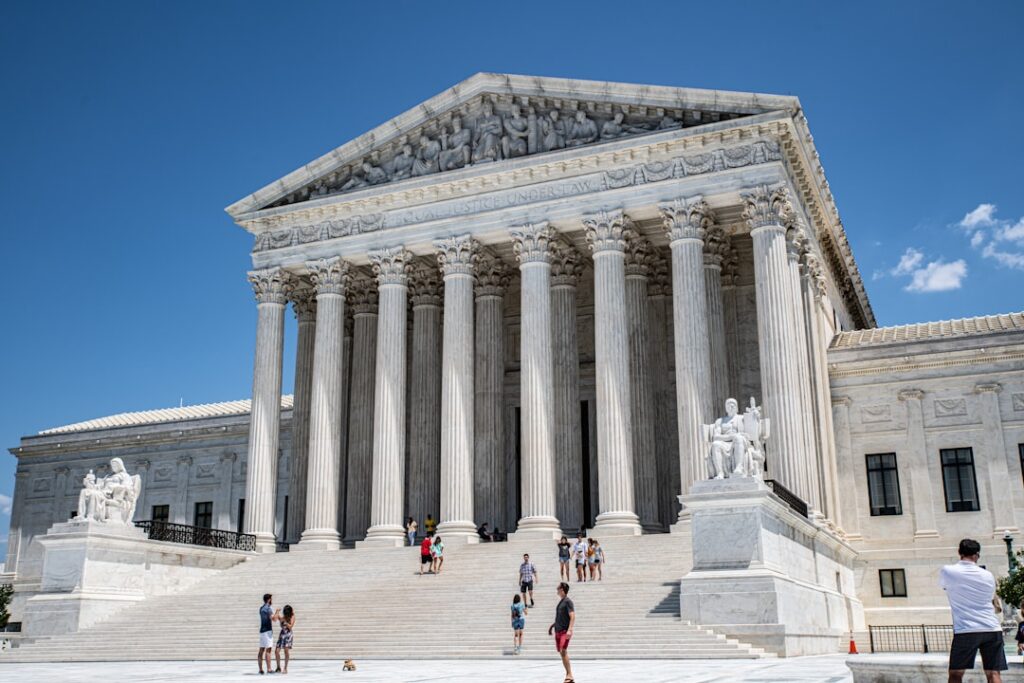
The Supreme Court: A Cornerstone of American Democracy
The Supreme Court of the United States stands as the highest court in the federal judiciary system and plays a critical role in interpreting the Constitution and federal laws. Established under Article III of the Constitution, the Supreme Court ensures that the rule of law prevails and that justice is served.
The Structure of the Supreme Court
The Supreme Court consists of nine justices, including one Chief Justice and eight Associate Justices. Appointed by the President and confirmed by the Senate, these justices hold lifetime positions, allowing them to make decisions free from political pressures.
Recent Trends in Supreme Court Decisions
In recent months, the Supreme Court has been trending in the United States due to a series of high-profile cases. Issues ranging from healthcare, reproductive rights, and voting laws to immigration policy and gun control have all made headlines. These decisions not only shape American law but also reflect the ideological balance of the Court.
Civil Rights and Liberty Cases
One significant area where the Court’s rulings have impacted millions is in civil rights. Recent decisions such as Dobbs v. Jackson Women’s Health Organization have stirred national debates about reproductive rights. The Court’s ruling to overturn Roe v. Wade has led to a domino effect of state-level legislation on abortion, showcasing the Court’s profound influence over social issues.
Voting Rights
The Supreme Court has also dealt decisively with cases regarding voting rights. The ruling in Brnovich v. Democratic National Committee upheld Arizona’s voting laws, prompting concerns over voter suppression. These rulings raise critical questions about access to the ballot and the integrity of the electoral process.
The Impact of Public Opinion
Public opinion plays an increasingly significant role in how the Supreme Court functions. As societal values evolve, so too does the Court’s interpretation of laws. For instance, attitudes towards LGBTQ+ rights and same-sex marriage have shifted dramatically, leading to landmark rulings that reflect these changes.
Looking Ahead: What’s Next for the Supreme Court?
As we approach the next session, key issues remain on the docket including potential cases involving affirmative action, gun rights, and environmental regulations. The outcomes of these cases will undoubtedly shape public policy for years to come and may influence upcoming elections.
Conclusion
The Supreme Court’s role in American democracy cannot be overstated. As the nation continues to navigate complex social and political landscapes, the Court will remain at the forefront, making decisions that affect all citizens. Staying informed about these rulings is vital for understanding the future of rights and freedoms in America.
Read Also:
CoreWeave Stock: A Rising Star in the U.S. Market
Source:
Google Trends
{“@context”:”https://schema.org”,”@type”:”FAQPage”,”mainEntity”:[{“@type”:”Question”,”name”:”What does the Supreme Court do?”,”acceptedAnswer”:{“@type”:”Answer”,”text”:”The Supreme Court interprets the Constitution and federal laws, resolving disputes and ensuring justice.”}},{“@type”:”Question”,”name”:”How are Supreme Court justices appointed?”,”acceptedAnswer”:{“@type”:”Answer”,”text”:”Justices are appointed by the President and confirmed by the Senate, serving lifetime terms.”}}]}