


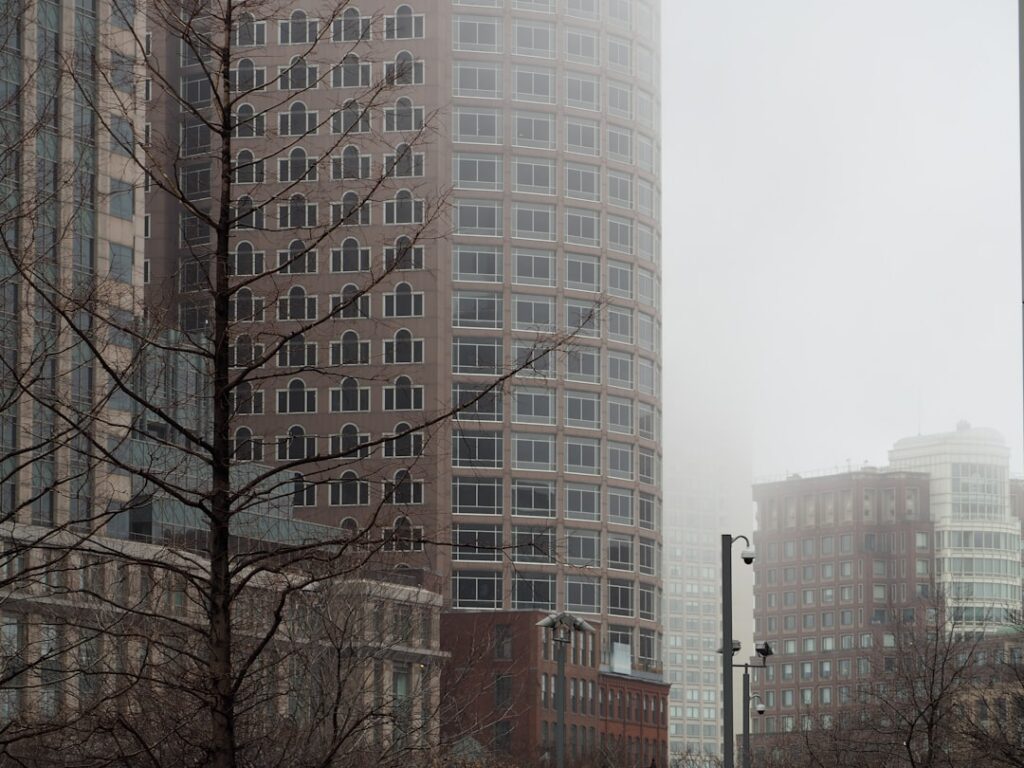
The Ultimate Guide to Boston Weather: What You Need to Know
Boston, Massachusetts, is famously known for its vibrant history, rich culture, and dynamic climate. As one of the most visited cities in the United States, understanding the weather in Boston can enhance your experience, whether you’re a local or a tourist. In this article, we’ll explore Boston’s weather trends throughout the year, what to expect in each season, and tips on how to prepare for the changing elements.
Boston’s Climate Overview
Boston experiences a humid continental climate, characterized by four distinct seasons. This means residents and visitors can experience hot summers, cold winters, and everything in between. The average temperatures can range from the high 30s in winter to the mid-80s in summer. Let’s delve deeper into what each season typically brings.
Winter Weather in Boston
Winter in Boston spans from December to February, with January being the coldest month. During this time, temperatures can drop below freezing, often averaging around 26°F (-3°C). Snowfall is common, with Bostonians experiencing snowstorms that can blanket the city. To make the most of winter, don’t forget to dress in layers, invest in a good winter coat, and be prepared for possible delays caused by snow.
Spring in Boston
Spring arrives in March but often feels like winter’s tail end. As the season progresses, temperatures gradually rise, reaching an average high of 65°F (18°C) by May. This transitional season is a beautiful time to enjoy the blooming gardens, particularly the famous Boston Public Garden, and partake in local events, like the Boston Marathon in April. Spring showers are common, so keep an umbrella handy!
Summer in Boston
Summer lasts from June to August, with July typically being the hottest month. Average high temperatures can reach up to 85°F (29°C), and the city buzzes with tourists enjoying outdoor activities, festivals, and beaches. However, the humidity can be high, making it feel even warmer. Make sure to stay hydrated, wear sunscreen, and plan your outdoor activities for the cooler hours of the day.
Fall: A Spectacular Transformation
Fall, from September to November, is a magical time in Boston. The temperatures begin to cool down, averaging around 60°F (15°C) in September and dropping to the 40s by November. One of the most stunning features of this season is the changing foliage, drawing visitors for leaf-peeping. The city is alive with autumn festivals and events. Don’t miss out on a scenic walk along the Charles River to take in the vibrant colors.
Understanding Weather Patterns and Forecasts
To stay updated on Boston weather, ensure you check reliable sources for forecasts. Various weather apps and websites provide real-time conditions and alerts for any upcoming storms or extreme conditions. Being prepared can help you plan your travel and outdoor activities better.
Conclusion
Weather in Boston can be unpredictable, but that’s part of its charm. Each season offers a unique perspective on this historic city, and with proper preparation, you can enjoy everything from snowy winter landscapes to sunny summer days. Whether you’re exploring iconic sites or indulging in culinary delights, understanding Boston weather will enhance your experience!
Read Also:
Understanding Earthquake Alerts: A Growing Trend in the United States
Source:
Google Trends
{“@context”:”https://schema.org”,”@type”:”FAQPage”,”mainEntity”:[{“@type”:”Question”,”name”:”What is the average temperature in Boston during summer?”,”acceptedAnswer”:{“@type”:”Answer”,”text”:”The average high temperature in Boston during summer, particularly in July, is around 85u00b0F (29u00b0C).”}},{“@type”:”Question”,”name”:”When does it typically snow in Boston?”,”acceptedAnswer”:{“@type”:”Answer”,”text”:”Snow in Boston typically occurs from December to February, with January being the coldest and snowiest month.”}}]}