


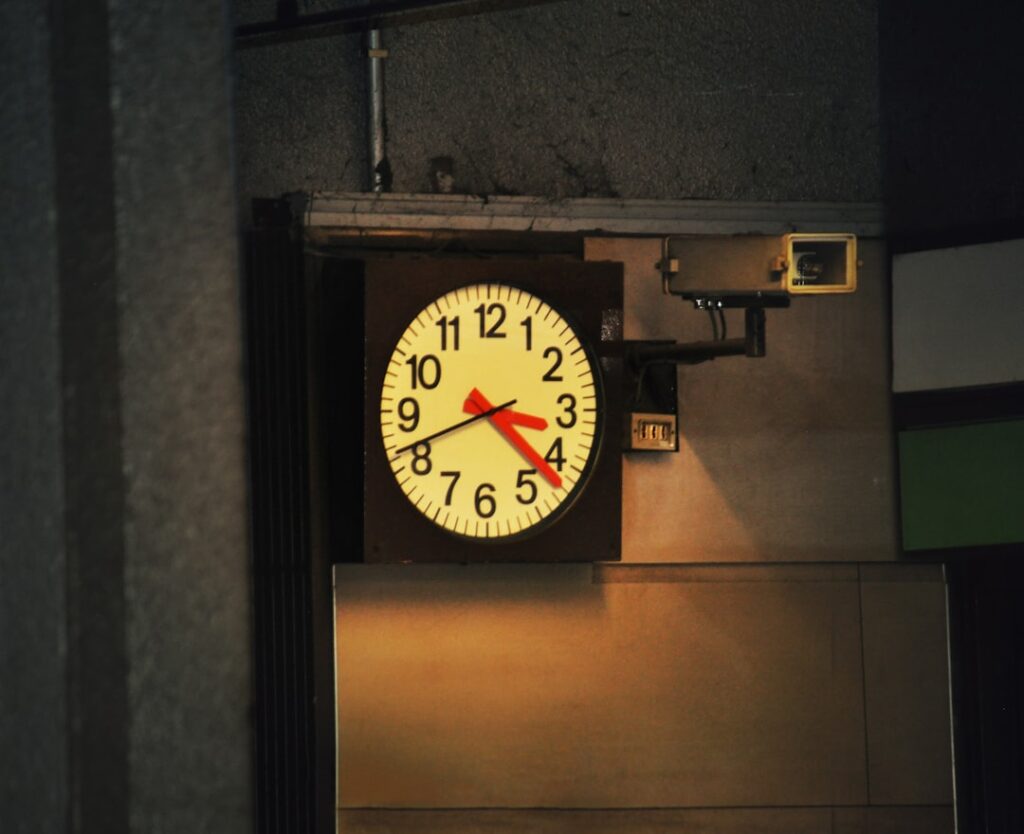
Understanding Daylight Saving Time in the United States
Each year, millions of Americans adjust their clocks in anticipation of Daylight Saving Time (DST). While many people rejoice at the prospect of longer evenings and extra daylight, others are left wondering about the purpose of this biannual clock change. In this article, we will explore the history, benefits, and challenges of Daylight Saving Time, and why it continues to be a trending topic in the United States.
What is Daylight Saving Time?
Daylight Saving Time is the practice of setting the clock forward by one hour during the warmer months, allowing for more daylight in the evening. In the United States, DST begins on the second Sunday in March and ends on the first Sunday in November. During this period, clocks are set forward one hour, effectively shifting an hour of daylight from the morning to the evening.
The Historical Context of Daylight Saving Time
The concept of Daylight Saving Time was first proposed by Benjamin Franklin in 1784 as a way to conserve energy. However, it wasn’t until World War I and later World War II that it was officially enacted in the United States as a means to save fuel. After the wars, the practice was abandoned but was revived during the energy crisis of the 1970s. Today, it remains a topic of debate, with some states opting out of the practice entirely.
The Benefits of Daylight Saving Time
Proponents of Daylight Saving Time argue that it offers several benefits, such as:
- Energy Conservation: One of the primary reasons for implementing DST is energy savings. By extending daylight hours, the need for artificial lighting in the evening is reduced, which can lead to lower electricity consumption.
- Increased Outdoor Activity: Longer daylight hours encourage people to spend more time outdoors, which can promote physical activity and improve overall health and well-being.
- Boost to Local Economies: Extended daylight can lead to an increase in consumer spending, as people are more likely to engage in shopping and recreational activities.
The Challenges of Daylight Saving Time
Despite the perceived benefits, Daylight Saving Time also presents several challenges, including:
- Health Risks: The transition into and out of DST can disrupt sleep patterns, adversely affecting health, productivity, and safety. Studies have shown an increase in heart attacks and accidents in the days following the time change.
- Public Confusion: Many people struggle to remember which way to set their clocks and are adversely affected by the confusion surrounding the time changes, leading to missed appointments and commitments.
- Debate Over Effectiveness: Critics argue that the energy savings from DST are negligible in today’s society, with modern technology making energy conservation more efficient with or without the clock change.
Daylight Saving Time Today
As of now, not all states in the U.S. participate in Daylight Saving Time. Arizona (except for the Navajo Nation) and Hawaii remain on standard time year-round. The debate over the relevance and effectiveness of DST continues to spark discussions among lawmakers and citizens alike. Some states have proposed legislation to abolish the clock changes altogether, while others argue for making DST permanent.
Looking Ahead: The Future of Daylight Saving Time
With the ongoing discussions about the merits of Daylight Saving Time, many are left wondering what the future holds. Will the United States finally adopt a uniform approach regarding time changes, or will it continue to be a fragmented practice across states? As we move forward, it’s crucial to keep the conversation going to find a solution that benefits everyone.
Conclusion
Daylight Saving Time is an intriguing concept that has endured for over a century in the United States. With its potential benefits and challenges, it remains a relevant and timely topic of discussion. Whether you are a fan of the extra hour of daylight or prefer to keep time as it is, understanding the implications of DST is essential. As the conversation continues, we may eventually see a shift in how the nation approaches timekeeping.
Read Also:
The Rise of Butler Basketball: A Closer Look at the Trending Program in the U.S.
Source:
Google Trends
{“@context”:”https://schema.org”,”@type”:”FAQPage”,”mainEntity”:[{“@type”:”Question”,”name”:”Why do we observe Daylight Saving Time?”,”acceptedAnswer”:{“@type”:”Answer”,”text”:”Daylight Saving Time is observed to make better use of daylight during the longer days of spring and summer, aiming to reduce energy consumption.”}},{“@type”:”Question”,”name”:”Which states do not participate in Daylight Saving Time?”,”acceptedAnswer”:{“@type”:”Answer”,”text”:”Arizona (except for the Navajo Nation) and Hawaii do not participate in Daylight Saving Time and remain on standard time year-round.”}}]}