


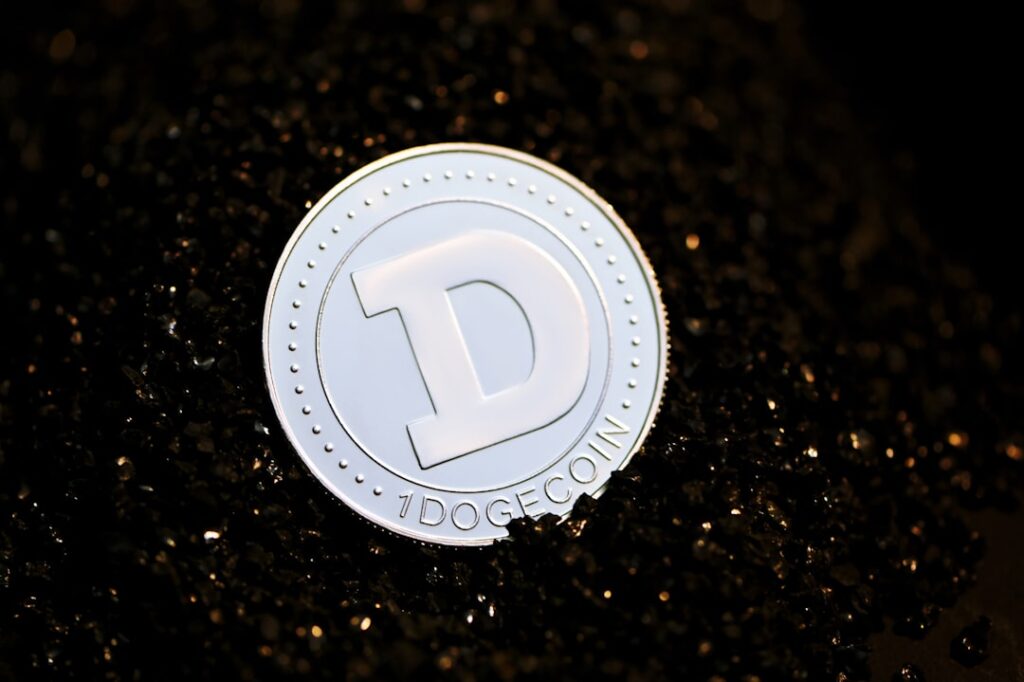
Understanding Decentralized Finance: The Rising Trend in the United States
In recent years, the financial landscape has seen a revolutionary change with the advent of decentralized finance (DeFi). This innovative financial system has been gaining traction, particularly in the United States, where traditional banking methods are increasingly being challenged by blockchain technology.
What is Decentralized Finance?
Decentralized finance refers to a blockchain-based financial ecosystem that eliminates intermediaries such as banks, brokerages, and exchanges. Instead of relying on traditional financial institutions, DeFi allows for peer-to-peer (P2P) transactions using smart contracts on platforms like Ethereum. This model promotes transparency, security, and accessibility, making financial services more inclusive.
The Growth of DeFi in the United States
The United States is at the forefront of the DeFi movement. According to reports, DeFi platforms have surged to billions in total value locked (TVL), with a large percentage originating from US users. The appeal lies in the additional liquidity, innovative investment opportunities, and yield farming options, drawing both novice and experienced investors alike.
Key Components of DeFi
1. **Decentralized Exchanges (DEXs)**: Platforms like Uniswap and SushiSwap enable users to trade cryptocurrencies directly without an intermediary, allowing for greater autonomy and reduced fees.
2. **Lending and Borrowing Protocols**: Services like Aave and Compound allow users to earn interest on their crypto holdings or borrow assets without traditional credit checks.
3. **Stablecoins**: Cryptocurrencies pegged to fiat currencies, like USDC or DAI, offer stability in the volatile crypto market, making them popular for trading and saving.
4. **Yield Farming and Liquidity Mining**: These processes incentivize users to provide liquidity to DeFi platforms in exchange for rewards, thus fueling the growth of the DeFi ecosystem.
Benefits of Decentralized Finance
DeFi offers several advantages:
- Accessibility: Anyone with internet access can participate, thus promoting financial inclusion.
- Transparency: All transactions are recorded on the blockchain, enhancing security and trust.
- Lower Fees: By removing intermediaries, users benefit from reduced transaction costs.
- Innovation: DeFi encourages the creation of new financial products and services, which can adapt quickly to consumer needs.
Challenges Facing DeFi
Despite its rapid growth, DeFi isn’t without its challenges. Major concerns include:
- Regulatory Uncertainty: As DeFi products gain popularity, regulators are considering how to classify and regulate them, which could impact their operation.
- Security Risks: Smart contract vulnerabilities have led to significant hacks and losses, highlighting the need for robust security measures.
- Market Volatility: The crypto market is notoriously volatile, posing risks for users engaging in lending, borrowing, or trading.
The Future of DeFi in the United States
The potential for decentralized finance is vast. As technological advancements continue and user adoption increases, we can expect to see more innovative solutions catering to a broader audience. Financial institutions are also taking note, with some exploring partnerships and integrations with DeFi platforms.
In conclusion, decentralized finance represents a significant shift in the way we think about and engage with financial systems. As the trend continues to grow in the United States, it may reshape traditional finance, making it more decentralized, transparent, and accessible to all.
Read Also:
This Week's NFL Schedule: Key Matchups and What to Watch For
Source:
Google Trends
{“@context”:”https://schema.org”,”@type”:”FAQPage”,”mainEntity”:[{“@type”:”Question”,”name”:”What makes DeFi different from traditional finance?”,”acceptedAnswer”:{“@type”:”Answer”,”text”:”DeFi operates on blockchain technology, eliminating intermediaries and providing users with more control over their financial assets.”}},{“@type”:”Question”,”name”:”Is DeFi safe to invest in?”,”acceptedAnswer”:{“@type”:”Answer”,”text”:”While DeFi offers many advantages, it comes with risks, including potential security vulnerabilities and market volatility. It’s essential to do thorough research before investing.”}}]}