


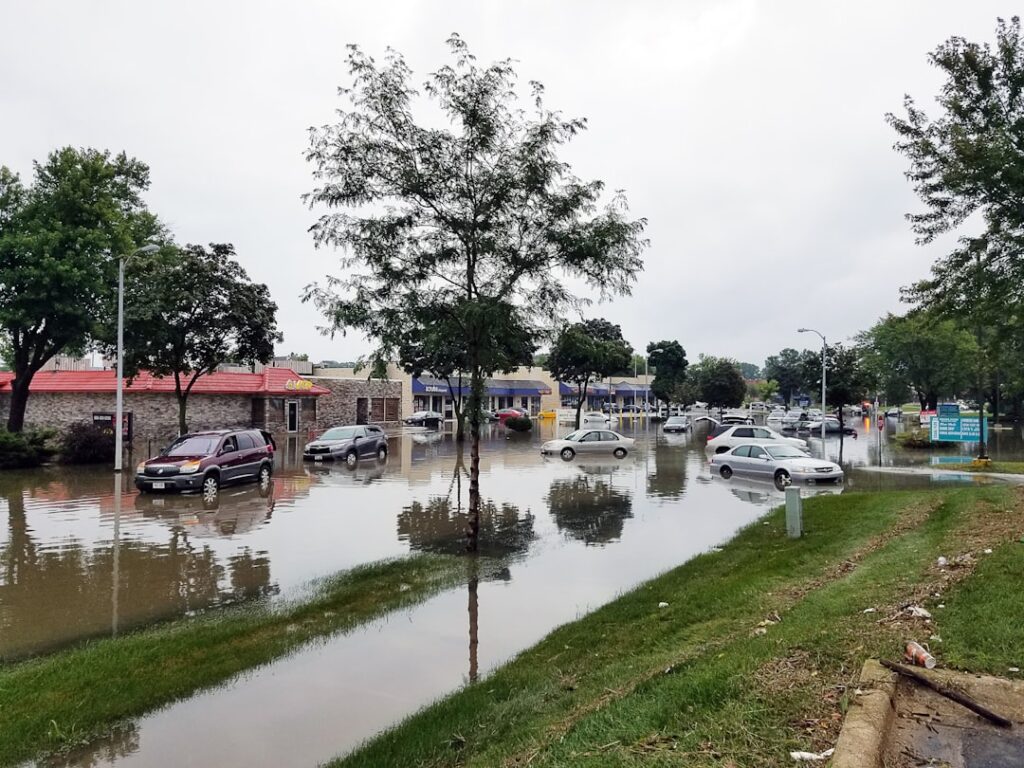
Understanding Flash Flood Warnings: What You Need to Know
Flash floods can arise without warning, turning tranquil streams into raging torrents in a matter of minutes. In recent news, an increase in flash flood warnings has affected many areas across the United States. Understanding these alerts is crucial for your safety and preparedness.
What is a Flash Flood Warning?
A flash flood warning is issued when rapid flooding is occurring or is imminent in a specific area. These warnings are typically based on observed weather patterns and river conditions. Being aware of your local weather forecasts can help you take action before conditions worsen.
Why Are Flash Floods Dangerous?
Flash floods are particularly perilous due to their swift nature. Heavy rains, sudden storms, and rapid snowmelt can contribute to flash floods. Some of the dangers include:
- Rapid water rise, often with little to no warning.
- Fast-moving water can sweep away people and vehicles.
- Debris flow can further escalate damage and risk.
- In urban environments, drainage systems can become overwhelmed.
How Flash Flood Warnings Are Issued
The National Weather Service (NWS) monitors weather patterns and river conditions to issue flash flood warnings. These alerts are disseminated via television, radio, and smartphone apps. Promptly responding to these warnings can save lives and minimize property damage. Make sure to turn on weather notifications on your devices to stay updated.
Preparing for a Flash Flood Warning
Preparation is key when it comes to dealing with flash floods. Here are some tips to ensure your safety:
- Know Your Area: Understand your zone’s flood risk and elevation levels.
- Create an Emergency Plan: Have a plan in place for evacuating your home if necessary.
- Gather Emergency Supplies: Stock emergency kits with essentials such as food, water, medications, and important documents.
- Stay Informed: Monitor weather reports and adhere to evacuation orders to ensure safety.
What to Do During a Flash Flood Warning
If a flash flood warning is issued or you see signs of flooding, follow these safety tips:
- Move to higher ground immediately.
- Avoid walking or driving through floodwaters. It only takes a small amount of moving water to sweep a person or vehicle away.
- Keep away from rivers and streams.
- Stay tuned to updates from local authorities.
After the Flash Flood
Once the floodwaters recede, stay cautious. There may be hidden dangers like debris or contaminated water. Follow recovery guidelines from local authorities and wait until it is safe to return to your home.
Conclusion
Flash flood warnings are increasingly relevant as extreme weather events become more frequent. By understanding these warnings and taking proactive steps, you can protect yourself and your loved ones during critical weather phenomena. Always stay informed and be prepared!
Read Also:
Buckley Carlson: The Rising Star in Political Commentary
Source:
Google Trends
{“@context”:”https://schema.org”,”@type”:”FAQPage”,”mainEntity”:[{“@type”:”Question”,”name”:”What should I do if a flash flood warning is issued?”,”acceptedAnswer”:{“@type”:”Answer”,”text”:”Immediately seek higher ground and avoid walking or driving through floodwaters.”}},{“@type”:”Question”,”name”:”How can I prepare for flash floods?”,”acceptedAnswer”:{“@type”:”Answer”,”text”:”Create an emergency plan, gather supplies, and stay informed about your area’s flood risk.”}}]}