


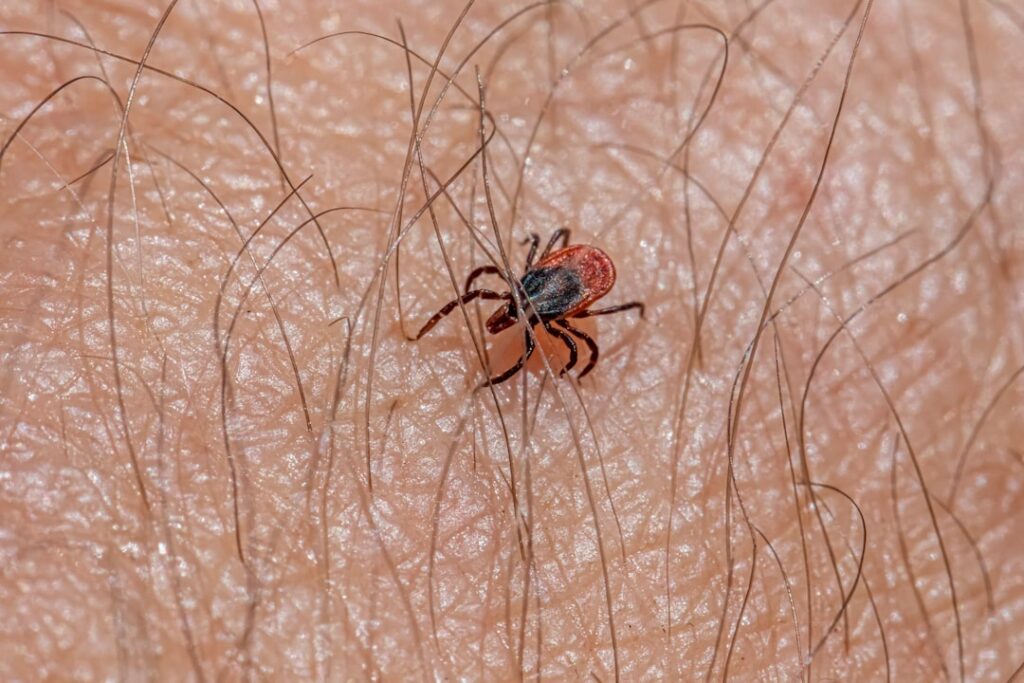
What is Flea Borne Typhus?
Flea borne typhus, caused by the bacteria Rickettsia typhi, is a disease transmitted primarily through flea bites. This illness has gained attention in recent years as cases have emerged across various regions in the United States. Understanding its transmission, symptoms, and prevention is crucial for public health.
Transmission of Flea Borne Typhus
The primary vectors of flea borne typhus are fleas, particularly those from rodents. When fleas bite humans, they can transfer the Rickettsia bacteria. Furthermore, the disease can spread through contact with contaminated materials such as droppings, urine, or feces from infected rodents. The recent uptick in cases has been linked to urban environments where rodent populations thrive.
Recent Trends in the United States
In recent years, cases of flea borne typhus have been reported in several states, particularly California and Texas. Public health officials are sounding the alarm as these rising numbers indicate a potential public health crisis if preventative measures aren’t prioritized.
Symptoms of Flea Borne Typhus
Symptoms of flea borne typhus typically develop within one to two weeks after exposure. Common signs include:
- Fever and chills
- Headaches
- Rashes that may spread
- Muscle and joint pain
- Nausea and vomiting
If left untreated, more severe complications may occur, emphasizing the importance of timely medical evaluation.
Diagnosis and Treatment
Diagnosing flea borne typhus can be challenging due to its flu-like symptoms. Health care providers typically rely on patient history, exposure to potential sources, and laboratory testing to confirm the diagnosis. Treatment usually involves antibiotics, which are most effective when administered early in the course of the disease.
Preventative Measures
Preventing flea borne typhus involves both personal and community-level strategies. Here are some key measures to consider:
- Maintain cleanliness in environments prone to rodents.
- Seal entry points in homes to reduce rodent infestations.
- Use flea control products on pets and regularly treat areas where pets spend time.
- Educate communities about the importance of reporting and controlling rodent populations.
- Public health campaigns can raise awareness and encourage preventative actions.
Conclusion
With the rise of flea borne typhus cases, it is essential to stay informed and proactive. By understanding the disease’s transmission, symptoms, and preventative measures, communities can work together to reduce its impact. Consult your healthcare provider for further information and avoid exposure to fleas and rodents wherever possible.
Read Also:
Top Restaurants for Easter Sunday Dining in the United States
Source:
Google Trends
{“@context”:”https://schema.org”,”@type”:”FAQPage”,”mainEntity”:[{“@type”:”Question”,”name”:”What causes flea borne typhus?”,”acceptedAnswer”:{“@type”:”Answer”,”text”:”Flea borne typhus is caused by the bacteria Rickettsia typhi, transmitted primarily through flea bites.”}},{“@type”:”Question”,”name”:”How can I prevent flea borne typhus?”,”acceptedAnswer”:{“@type”:”Answer”,”text”:”Prevent flea borne typhus by controlling rodent populations, using flea control products, and maintaining clean environments.”}}]}