


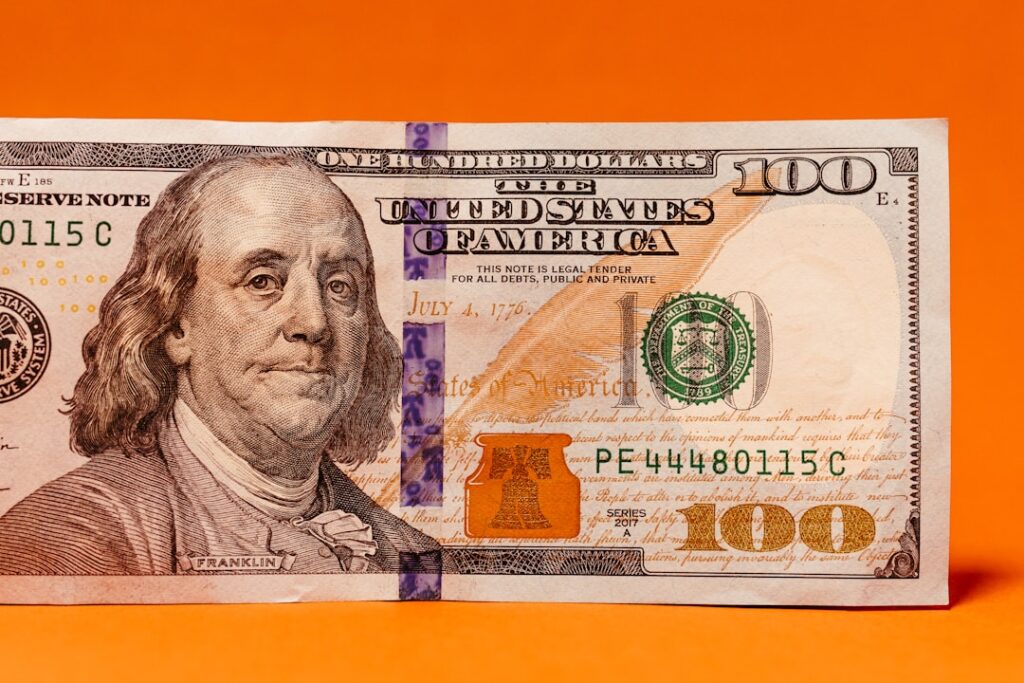
Understanding Inflation News in the United States
Inflation has become a buzzword in the United States, particularly in recent years. As prices for goods and services continue to rise, understanding the underlying factors and implications of inflation is more important than ever for consumers, businesses, and policymakers alike.
What is Inflation?
Inflation refers to the rate at which the general level of prices for goods and services is rising, and subsequently, purchasing power is falling. Central banks attempt to limit inflation, and avoid deflation, in order to keep the economy running smoothly.
Current Trends in U.S. Inflation
As of October 2023, inflation rates have shown signs of stabilization after significant fluctuations in previous years. The most recent Consumer Price Index (CPI) data indicates an annual inflation rate of approximately 3%. This rate reflects an easing from the peak levels witnessed in late 2021 and 2022, where inflation soared due to supply chain disruptions, increased consumer demand, and geopolitical tensions.
Key Drivers of Inflation
Several factors contribute to this ongoing inflation narrative, including:
- Supply Chain Issues: The COVID-19 pandemic has resulted in widespread disruptions, affecting everything from raw materials to transportation.
- Monetary Policy: The Federal Reserve’s responses, including low-interest rates and quantitative easing, have also played a crucial role in shaping inflation rates.
- Energy Prices: Volatile energy prices, particularly oil and gas, significantly affect overall inflation rates due to their widespread usage in various sectors.
- Labor Market Dynamics: A tight labor market has led to increased wages, which can contribute to inflation as businesses pass along these costs to consumers.
Current Inflation News and Predictions
Recent reports suggest that inflation is not just a short-term trend. Economists are divided; some predict that inflation rates may continue to decrease, while others warn of possible future spikes due to ongoing geopolitical tensions and potential supply chain challenges.
The Federal Reserve is keeping a close eye on these trends. They have signaled that interest rate hikes might be on the table if inflation does not stabilize, which poses both risks and opportunities for the U.S. economy.
How Inflation Affects Consumers
Inflation impacts consumers directly by influencing purchasing power. As prices rise, consumers may find themselves spending more to maintain their current standard of living. This can lead to changes in consumer behavior — for instance, opting for cheaper brands or delaying purchases. Moreover, inflation can affect savings and investments, as the return on investment may not keep pace with inflation, leading to a decrease in real wealth.
What Can Consumers Do?
Given the current inflationary environment, consumers should consider the following strategies:
- Budget Wisely: Review and adjust your budget to account for rising prices, prioritizing essential expenses.
- Invest Smartly: Look for investment opportunities that can potentially outpace inflation, such as stocks or inflation-protected securities.
- Shop Smart: Compare prices, use coupons, and consider bulk purchases to reduce the impact of rising prices.
Conclusion
The inflation news in the United States remains a hot topic as consumers and businesses navigate the challenges and opportunities it presents. Staying informed about current trends and understanding the factors driving inflation can empower individuals to make sound financial decisions in these uncertain times. Following reputable news sources and economic reports will also help you stay on top of this continually evolving landscape.
Read Also:
Alliant Energy: Powering the Future in the United States
Source:
Google Trends
{“@context”:”https://schema.org”,”@type”:”FAQPage”,”mainEntity”:[{“@type”:”Question”,”name”:”What is the current inflation rate in the United States?”,”acceptedAnswer”:{“@type”:”Answer”,”text”:”As of October 2023, the current inflation rate in the United States is approximately 3%.”}},{“@type”:”Question”,”name”:”What factors are driving inflation in the US?”,”acceptedAnswer”:{“@type”:”Answer”,”text”:”Key factors include supply chain disruptions, monetary policy, energy prices, and labor market dynamics.”}}]}