


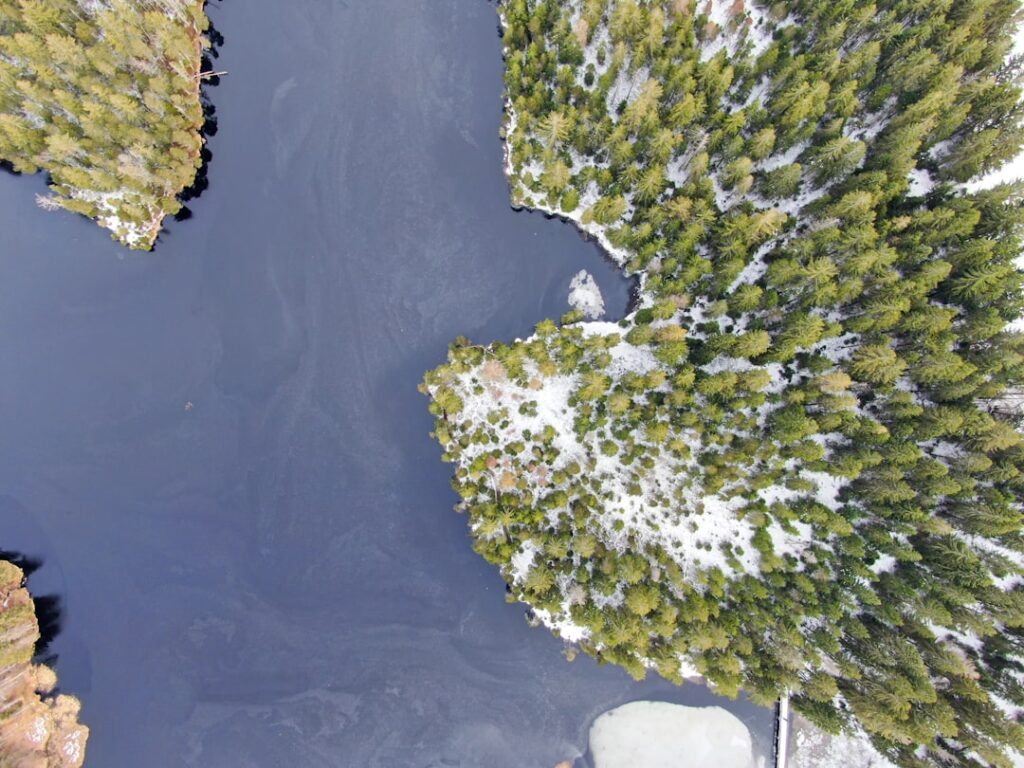
What is Lake Effect Snow?
Lake effect snow occurs when cold air moves over a warmer lake, causing the air to pick up moisture and deposit it as snow on the land. This phenomenon is particularly prevalent in certain regions of the United States, including the Great Lakes area. During the winter months, such conditions can lead to heavy snowfall, which can disrupt daily life.
The Science Behind Lake Effect Snow
Lake effect snow is primarily driven by the temperature difference between the water and the air. As cold winds sweep across the warmer water, they pick up moisture which eventually falls as snow when the air reaches saturation. The areas downwind of the lake often bear the brunt of this snow, leading to localized heavy snowfall.
Where is Lake Effect Snow Most Common?
The most affected regions are typically near the Great Lakes, particularly in states such as New York, Michigan, Wisconsin, and Ohio. Towns like Buffalo, NY, are notoriously famous for their lake effect snow, with some winters seeing over 200 inches of snow. The snowfall can vary dramatically, with different areas receiving significantly different amounts.
Understanding Lake Effect Snow Warnings
During the winter months, meteorologists issue lake effect snow warnings to inform residents of impending severe snowfall. A lake effect snow warning indicates that significant snow accumulation is expected, generally more than 6 inches within a 12-hour period. These warnings are crucial as they help communities prepare for heavy snow, road closures, and potential travel hazards.
How to Prepare for Lake Effect Snow
Preparation is key when facing lake effect snow warnings. Here are some tips to stay safe during heavy snowfall:
- Stay Informed: Keep an eye on local weather reports and heed any warnings from meteorologists.
- Prepare Your Vehicle: Ensure your vehicle is winter-ready with snow tires, antifreeze, and an emergency kit.
- Stock Up on Supplies: Before a snowstorm hits, gather essentials such as food, water, and medications.
- Limit Travel: If possible, avoid travel during heavy snowfall to reduce the risk of accidents.
Impact of Lake Effect Snow on Communities
Lake effect snow can have profound effects on local communities. While some residents relish in the beauty of a winter wonderland, the reality is that heavy snowfall can lead to traffic accidents, power outages, and school closures. Emergency services often find it challenging to operate in such conditions, which is why warnings and preparedness are paramount.
Conclusion
Lake effect snow warnings are essential for keeping communities safe during winter storms. By understanding this unique weather phenomenon and preparing accordingly, residents can mitigate the risks associated with heavy snowfall. Stay informed, prepare your home and vehicle, and heed the warnings, as they play a vital role in community safety during the winter months.
Read Also:
The Essential Guide to Car Wreck Lawyers: Your Ally After an Accident
Source:
Google Trends
{“@context”:”https://schema.org”,”@type”:”FAQPage”,”mainEntity”:[{“@type”:”Question”,”name”:”What causes lake effect snow?”,”acceptedAnswer”:{“@type”:”Answer”,”text”:”Lake effect snow is caused by cold air moving over warmer lake waters, picking up moisture and depositing it as snow.”}},{“@type”:”Question”,”name”:”How much snow can be expected from lake effect snow warnings?”,”acceptedAnswer”:{“@type”:”Answer”,”text”:”A lake effect snow warning typically indicates that more than 6 inches of snow is expected within a 12-hour period.”}},{“@type”:”Question”,”name”:”Which areas are most affected by lake effect snow?”,”acceptedAnswer”:{“@type”:”Answer”,”text”:”Regions near the Great Lakes, such as New York, Michigan, and Wisconsin, are most affected by lake effect snow.”}},{“@type”:”Question”,”name”:”What should I do during a lake effect snow warning?”,”acceptedAnswer”:{“@type”:”Answer”,”text”:”Stay informed, prepare your vehicle, stock up on supplies, and limit travel during heavy snowfall.”}}]}