


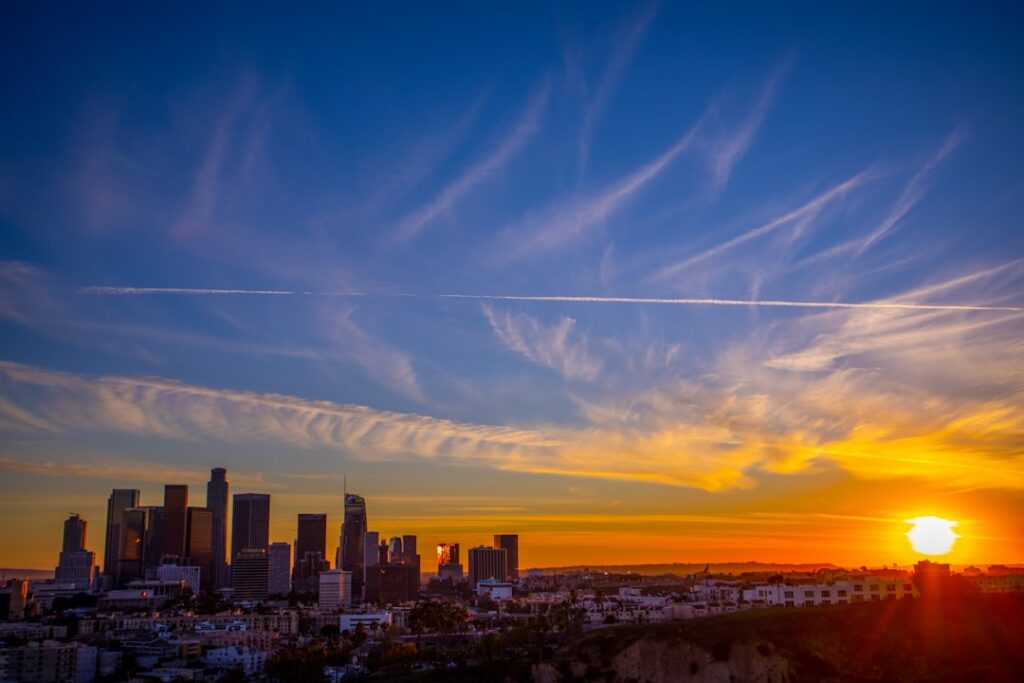
Understanding Los Angeles Weather: A Comprehensive Guide
Los Angeles is famous not just for its sprawling city life and celebrity culture, but also for its remarkable climate. Known for its enjoyable, mostly sunny weather year-round, LA attracts millions of visitors each year. In this blog post, we’ll explore the ins and outs of Los Angeles weather, providing you with essential insights whether you’re planning a trip or considering a move.
1. Yearly Climate Overview
Los Angeles experiences a Mediterranean climate characterized by dry summers and mild, wet winters. The average temperature ranges from 50°F to 75°F throughout the year, making it comfortable to enjoy outdoor activities any time. Rainfall, which mostly occurs between October and April, averages only about 15 inches annually.
2. Seasonal Breakdown
Summer (June to September)
Summers in Los Angeles are typically dry and hot. Daytime temperatures can soar to above 90°F, especially in areas away from the coast. However, coastal neighborhoods enjoy a more temperate climate, with cool sea breezes providing relief. This is the peak tourist season, so expect plenty of events and activities.
Fall (October to November)
Fall brings a comfortable transition from hot temperatures to cooler weather. October, in particular, is often referred to as the ‘second summer’ with warm days and cooler evenings. As the season progresses, rainfall begins to increase but typically remains light.
Winter (December to February)
Winters are mild in Los Angeles, with temperatures averaging between 40°F and 60°F. This is the rainy season, although heavy snowfall is exceedingly rare. The occasional cold front can bring chillier days, but overall, LA winters are mild compared to many other parts of the U.S.
Spring (March to May)
Spring is often considered the most pleasant season in Los Angeles. With flowers blooming and temperatures gradually rising, this season showcases beautiful weather and is perfect for sightseeing and outdoor adventures. Rainfall decreases significantly, leading to brighter days.
3. Microclimates of Los Angeles
One of the most fascinating aspects of Los Angeles weather is its microclimates. Depending on where you are in the city, temperatures can vary significantly. For instance, downtown Los Angeles may be several degrees hotter than coastal areas like Santa Monica. This variation allows residents and visitors to choose their favorite climates.
4. Activities Based on Weather
Understanding the seasonal weather patterns can help you plan your activities. If you enjoy sunbathing or beach activities, summer and early fall are ideal. Alternatively, the mild winter months are perfect for hiking and exploring the city without the crowds. Be sure to check the weather forecast, as LA can experience Santa Ana winds that can change conditions rapidly.
5. Conclusion
Los Angeles weather is a significant factor in its appeal as a tourist destination and a place to live. With its mild temperatures and sunny days, residents enjoy a variety of outdoor activities year-round. By understanding the seasonal nuances, you can maximize your experience in this iconic Southern California city.
Read Also:
Understanding the Warsh Federal Reserve Nomination: Impact and Implications
Source:
Google Trends
{“@context”:”https://schema.org”,”@type”:”FAQPage”,”mainEntity”:[{“@type”:”Question”,”name”:”What is the best time to visit Los Angeles?”,”acceptedAnswer”:{“@type”:”Answer”,”text”:”The best time to visit Los Angeles is during the spring (March to May) or fall (September to November) when weather is mild and crowds are smaller.”}},{“@type”:”Question”,”name”:”Does it rain often in Los Angeles?”,”acceptedAnswer”:{“@type”:”Answer”,”text”:”Los Angeles receives minimal rainfall, mostly occurring between October and April, with an average of about 15 inches per year.”}}]}