


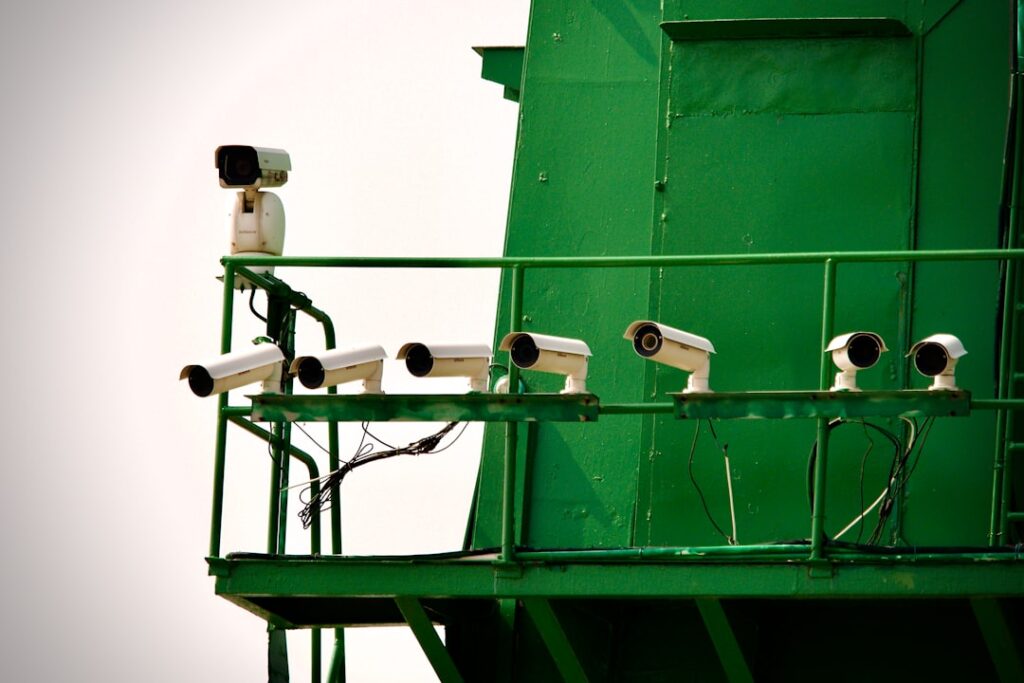
Understanding Mass Surveillance: A Growing Concern in the United States
In recent years, mass surveillance has become a trending topic in the United States, prompting discussions about privacy, security, and civil liberties. With advancements in technology, governments and organizations have developed increasingly sophisticated tools to monitor communications and track citizens, raising essential questions about the balance between safety and personal freedoms.
What is Mass Surveillance?
Mass surveillance refers to the extensive monitoring of individuals’ activities, communications, and behaviors, often conducted by governmental and corporate entities without consent. Technologies such as facial recognition, phone tapping, and internet data collection are commonly employed in mass surveillance operations.
The Rise of Mass Surveillance in the U.S.
The post-9/11 era marked a significant increase in mass surveillance in the United States. The USA PATRIOT Act opened the door for various surveillance programs, including the National Security Agency’s (NSA) data collection initiatives aimed at preventing terrorism. Over the years, these programs have evolved, leading to widespread scrutiny and public backlash regarding their implications.
Technology and Mass Surveillance
Today’s surveillance infrastructure is powered by advanced technology. Artificial Intelligence (AI) and big data analytics enable authorities to process vast amounts of information quickly. This includes the analysis of social media posts, phone call metadata, and even location data gathered from smartphones. The capabilities of surveillance technologies have grown exponentially, raising concerns about their potential misuse.
Public Reaction to Mass Surveillance
The public’s response to mass surveillance has been a mix of concern and ambivalence. High-profile leaks, such as those by Edward Snowden, have exposed the extent to which the government monitors its citizens. This has led to protests, advocacy for privacy rights, and demands for transparency and accountability. Many Americans express a desire for security; however, they also value their privacy, creating a complex dynamic in the national conversation.
Legal and Ethical Considerations
Legal frameworks governing mass surveillance are often outdated and struggle to keep pace with technological advancements. The Fourth Amendment of the U.S. Constitution protects against unreasonable searches and seizures, yet the application of this amendment in the context of digital data remains contentious. Ethically, the question arises: where do we draw the line between safety and privacy?
Future of Mass Surveillance in the United States
As technology continues to advance, mass surveillance is likely to become even more pervasive. However, growing public awareness and activism may drive changes in policy. Movements advocating for digital privacy, stronger regulations, and reforms in surveillance practices are gaining momentum. Policymakers must navigate the balance between safeguarding national security and protecting individual rights.
Conclusion
Mass surveillance is a pressing issue in the United States that necessitates ongoing discussion and evaluation. As we look ahead, it is crucial for citizens, lawmakers, and organizations to engage in meaningful dialogues about the implications of surveillance technologies and to advocate for frameworks that protect liberties while ensuring safety.
Read Also:
Silver Price Today 2026: What Trends to Expect in the USA
Source:
Google Trends
{“@context”:”https://schema.org”,”@type”:”FAQPage”,”mainEntity”:[{“@type”:”Question”,”name”:”What is mass surveillance?”,”acceptedAnswer”:{“@type”:”Answer”,”text”:”Mass surveillance refers to the extensive monitoring of individuals’ activities and communications conducted by governments and organizations without consent.”}},{“@type”:”Question”,”name”:”How has technology impacted mass surveillance?”,”acceptedAnswer”:{“@type”:”Answer”,”text”:”Technological advancements, including AI and big data analytics, have made it easier for authorities to collect and analyze vast amounts of data on individuals.”}},{“@type”:”Question”,”name”:”What are the legal concerns surrounding mass surveillance?”,”acceptedAnswer”:{“@type”:”Answer”,”text”:”Legal frameworks often struggle to keep pace with technology, raising questions about the application of the Fourth Amendment regarding digital privacy.”}},{“@type”:”Question”,”name”:”How do citizens feel about mass surveillance?”,”acceptedAnswer”:{“@type”:”Answer”,”text”:”Public sentiment is mixed, with many advocating for security while also expressing concerns about privacy and the potential for governmental overreach.”}}]}