


Understanding San Francisco Weather: A Comprehensive Guide
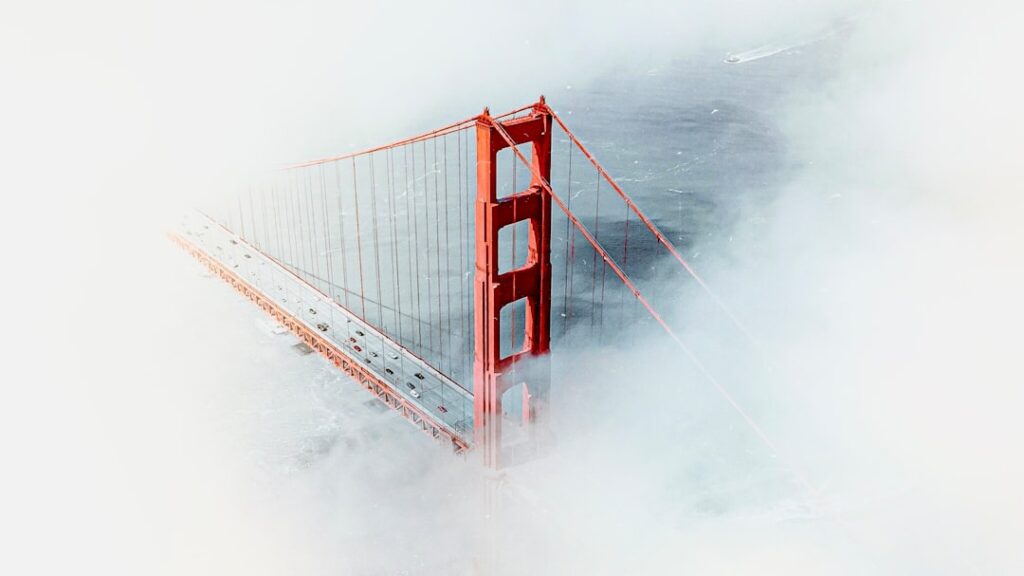
San Francisco, renowned for its iconic Golden Gate Bridge and vibrant culture, is equally famous for its unique climate. The weather here can be unpredictable, often catching visitors and locals off guard. In this blog post, we will delve into the intricacies of San Francisco weather, helping you prepare for your next visit to this stunning city.
Overview of San Francisco’s Climate
Located on the Pacific Coast, San Francisco experiences a Mediterranean climate characterized by mild, wet winters and dry summers. However, this classification barely scratches the surface of what locals often affectionately call ‘microclimates’ throughout the city. Differences in elevation, proximity to the ocean, and urban development create distinct weather patterns even within small geographic areas.
Seasonal Breakdown
Spring in San Francisco
Spring (March to May) brings gradually warming temperatures, though the chilly winds can still linger. Average highs range from 58°F to 68°F. April showers often grace the city, but they pave the way for blooming flowers in May.
Summer in San Francisco
Summer (June to August) is marked by the infamous marine layer that blankets San Francisco in fog. While inland areas may be basking in sunlight with temperatures reaching over 80°F, the city itself remains cooler, with average highs around 65°F. Dress in layers to combat the cool winds and intermittent sunshine.
Autumn in San Francisco
Autumn (September to November) is often considered the best time to visit San Francisco. The summer fog dissipates, leaving clear skies and mild temperatures. Daytime highs may reach up to 70°F, providing perfect weather for exploring outdoor attractions.
Winter in San Francisco
Winter (December to February) brings cooler temperatures and increased rainfall. Average highs are around 55°F, with chilly nights. While it may be wise to prepare for some rain, it’s essential to note that San Francisco rarely experiences extreme weather conditions.
Microclimates within the City
One of the most fascinating aspects of San Francisco’s weather is its microclimates. From the sunny neighborhoods of the Mission District to the foggy shores of Ocean Beach, the weather can change dramatically within a few miles. This phenomenon is influenced by factors such as elevation and the location of hills, which can trap fog and increase humidity.
Preparing for San Francisco Weather
When visiting San Francisco, it’s crucial to dress in layers. Start with a T-shirt, add a long-sleeve shirt, and top it off with a light jacket or sweater, especially if you’re planning to explore areas near the ocean where temperatures drop. Comfortable walking shoes are also a must, as you might stroll through different neighborhoods with varying weather conditions.
Popular Weather-Related Activities
The unique weather in San Francisco creates opportunities for exciting activities throughout the year. Whether it’s kite flying at Crissy Field during sunnier days, enjoying outdoor dining in the warmer months, or cozying up in a café under the soft winter rainfall, there’s always something to do, regardless of the season. Be sure to check local weather reports to plan the perfect outing!
Conclusion
San Francisco’s weather is an intriguing blend of cool breezes, warm sunshine, and the occasional foggy day. Understanding the seasonal variations and how they affect different neighborhoods is key to maximizing your experience in this iconic city. Pack layers, stay updated on forecasts, and prepare for the unexpected as you explore all that San Francisco has to offer.
Read Also:
The Timeless Appeal of James Bond Movies: A Look at Current Trends in the U.S.
Source:
Google Trends
{“@context”:”https://schema.org”,”@type”:”FAQPage”,”mainEntity”:[{“@type”:”Question”,”name”:”What is the best time to visit San Francisco?”,”acceptedAnswer”:{“@type”:”Answer”,”text”:”The best time to visit San Francisco is during fall (September to November) when the weather is usually mild and sunny.”}},{“@type”:”Question”,”name”:”Why is San Francisco’s weather so unpredictable?”,”acceptedAnswer”:{“@type”:”Answer”,”text”:”San Francisco’s weather is influenced by its unique geography, including hills and proximity to the ocean, creating various microclimates.”}}]}