


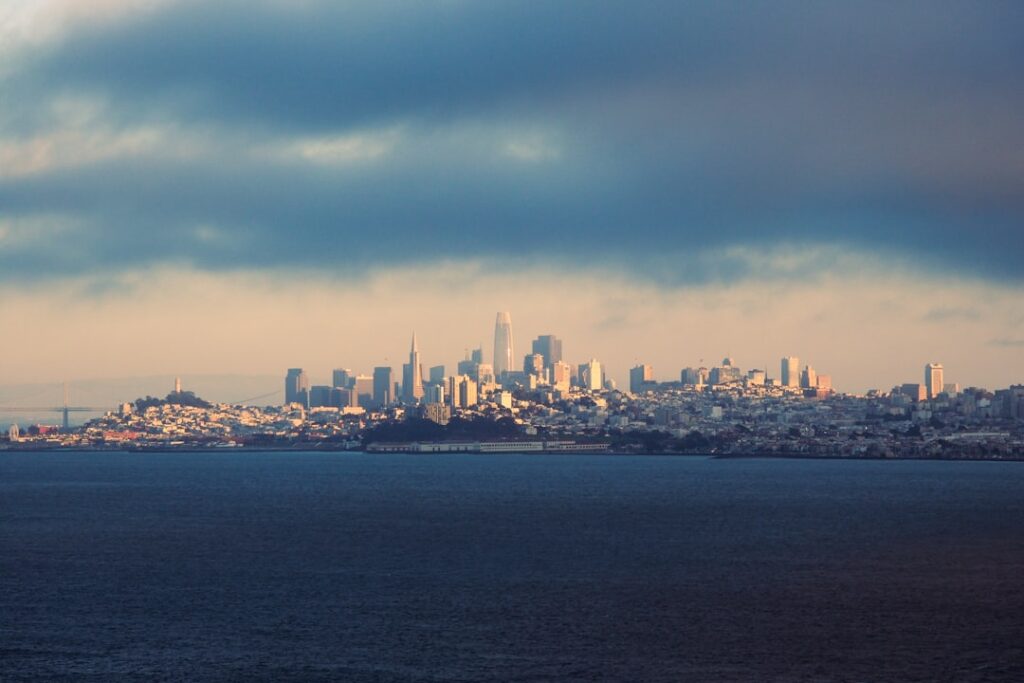
Understanding San Francisco Weather: A Comprehensive Guide
San Francisco, known for its iconic Golden Gate Bridge and picturesque views, also has a unique weather pattern that can often surprise visitors. Whether you’re planning a trip or moving to the city, understanding its microclimates can make a significant difference in your experience. In this blog post, we’ll explore the different aspects of San Francisco weather, including seasonal changes, microclimates, and tips for dressing appropriately.
San Francisco’s Microclimates
One of the most remarkable features of San Francisco’s weather is its microclimates. Due to the varied geography of the area, temperatures can differ dramatically just a few blocks apart. For instance, the Mission District may experience sunny and warm weather while the nearby Ocean Beach could be cool and foggy. The city’s proximity to the Pacific Ocean also contributes to these microclimates, with ocean breezes providing a cooling effect.
Seasonal Weather Overview
San Francisco has a Mediterranean climate characterized by dry summers and wet winters. Here’s a seasonal breakdown:
- Spring (March to May): Spring is a beautiful time to visit, with temperatures ranging from the mid-50s to the low 70s °F. The weather can be unpredictable, so it’s best to bring layers.
- Summer (June to August): Despite being summer, wisdom in San Francisco suggests that you can expect cool, foggy mornings and evenings. While daytime temperatures may reach the 70s °F, the famous fog can blanket parts of the city, particularly near the ocean.
- Fall (September to November): Fall often brings the warmest weather, with temperatures that can reach the high 70s °F. The fog tends to lift, making it a delightful time to explore the city, especially in September and October.
- Winter (December to February): Winters are mild, with temperatures typically ranging from the mid-40s to the mid-60s °F. Rain is more common during these months, so it’s wise to come prepared with an umbrella.
Tips for Dressing for San Francisco Weather
To ensure you’re comfortable, layering is key when dressing for San Francisco weather. Consider the following tips:
- Light Layers: Always wear breathable fabrics and bring a light jacket, especially for the cooler evenings.
- Comfortable Shoes: With its hilly terrain, comfortable shoes are essential for walking around the city.
- Prepared for Fog: If you’re planning to visit coastal areas, pack a warmer layer to combat the chill from the fog.
When is the Best Time to Visit San Francisco?
The best time to visit San Francisco depends on your weather preferences. If you enjoy warm and sunny weather, late summer or early fall is ideal. However, if you prefer to see the city bathed in fog, visit in the summer, understanding that temperatures may be cooler than expected.
Conclusion
San Francisco’s weather can be perplexing but also part of its charm. By understanding its microclimates and seasonal changes, you can maximize your enjoyment when visiting or living in this vibrant city. Regardless of when you visit, don’t forget to dress in layers and be prepared for the shifting temperatures. Happy exploring!
Read Also:
Solo Leveling Season 3: Everything You Need to Know
Source:
Google Trends
{“@context”:”https://schema.org”,”@type”:”FAQPage”,”mainEntity”:[{“@type”:”Question”,”name”:”What is the best time to visit San Francisco?”,”acceptedAnswer”:{“@type”:”Answer”,”text”:”The best time to visit is usually late summer or early fall for warmer weather, though many enjoy the fog in summer.”}},{“@type”:”Question”,”name”:”Why does San Francisco have microclimates?”,”acceptedAnswer”:{“@type”:”Answer”,”text”:”Microclimates are due to the city’s geography, with its proximity to the ocean and hills affecting temperature and weather patterns.”}}]}