


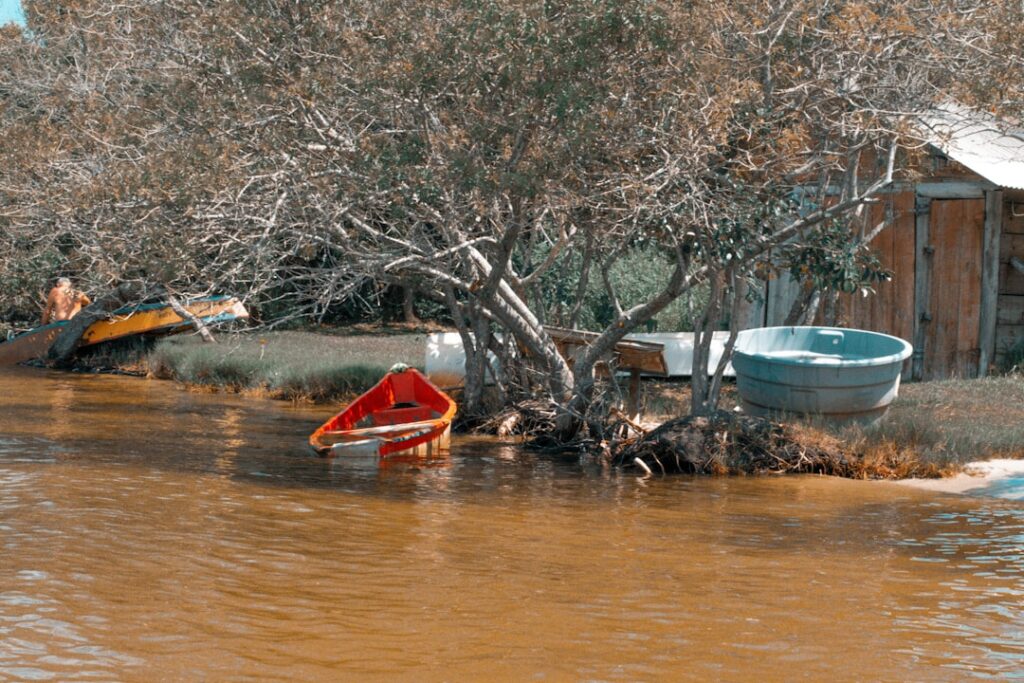
Understanding Severe Flood Risk in the United States
In recent years, the United States has witnessed alarming increases in severe flood risks, impacting communities from coast to coast. With climate change exacerbating weather patterns, understanding the factors contributing to these risks has never been more critical.
What Causes Severe Flood Risks?
Severe flood risks can arise from various factors, including heavy rainfall, rapid snowmelt, and dam breaches. In many regions, urban development has significantly altered natural drainage systems, making areas more susceptible to flooding. Additionally, climate change plays a crucial role, leading to more intense storms and rising sea levels.
The Impact of Severe Flooding
Flooding can have devastating effects on communities. According to the National Oceanic and Atmospheric Administration (NOAA), flooding accounts for approximately 90% of all natural disasters in the United States. It results not only in loss of property but also poses significant threats to public health and safety. In some cases, flooding can lead to displaced families and long-term economic ramifications.
Economic Consequences
The financial impact of floods is staggering. Repair costs for homes, infrastructure, and businesses can reach billions of dollars. Moreover, the economic productivity of affected areas can drop significantly, leading to job losses and reduced local revenue. Businesses often struggle to recover, which can slow down regional economic growth.
Environmental Impact
Floods also lead to severe environmental damage. They can cause soil erosion, water pollution, and habitat destruction. Contaminated floodwaters can introduce harmful substances into local ecosystems, affecting wildlife and water supplies.
Mitigation Strategies
To combat severe flood risks, several mitigation strategies can be implemented. Local and federal agencies are working together to enhance flood preparedness through better planning, infrastructure improvements, and community education.
Improving Infrastructure
Upgrading existing drainage systems and building flood barriers are key components of flood risk management. Cities with a history of flooding can benefit from enhancing their stormwater management systems to accommodate heavy rainfall.
Community Awareness and Education
Raising awareness in communities is critical in flood risk mitigation. Educational programs that inform residents about emergency preparedness and evacuation plans can make a significant difference during flood events. Additionally, local governments can utilize social media and technology to disseminate real-time information about flood warnings.
The Future of Flood Risk Management
As climate change continues to influence weather patterns, the United States must adapt its flood risk management strategies. Innovations in technology, such as advanced modeling and prediction systems, can help cities better prepare for severe weather events. Collaboration between government agencies, researchers, and communities will be essential in reducing severe flood risks.
Conclusion
The growing severe flood risk in the United States is a wake-up call for everyone. Understanding the causes, impacts, and effective mitigation strategies is crucial in protecting lives and property. By staying informed and proactive, communities can work together to face this pressing issue head-on.
Read Also:
Understanding School Delays: Trends and Impacts in the United States
Source:
Google Trends
{“@context”:”https://schema.org”,”@type”:”FAQPage”,”mainEntity”:[{“@type”:”Question”,”name”:”What are the primary causes of severe flooding in the U.S.?”,”acceptedAnswer”:{“@type”:”Answer”,”text”:”Heavy rainfall, rapid snowmelt, dam breaches, and urban development significantly contribute to severe flooding in various regions across the United States.”}},{“@type”:”Question”,”name”:”How can communities prepare for severe flooding?”,”acceptedAnswer”:{“@type”:”Answer”,”text”:”Communities can prepare for severe flooding by enhancing infrastructure, educating residents about emergency preparedness, and improving stormwater management systems.”}}]}