


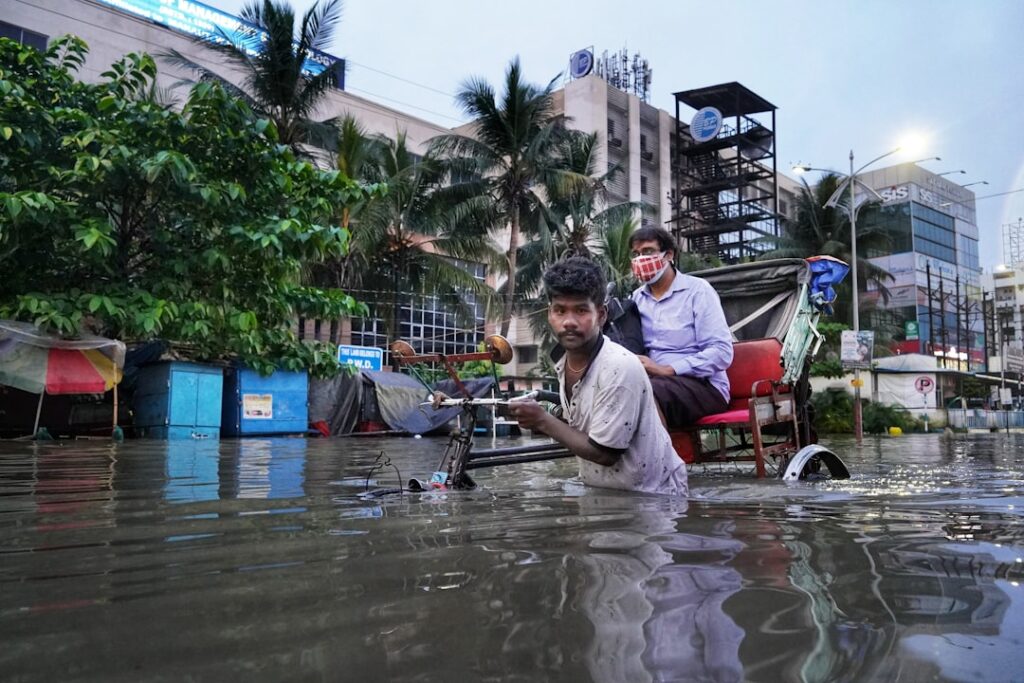
Understanding Severe Flood Risk in the United States
As climate change continues to affect weather patterns, the United States faces increasingly severe flood risks. No region is immune from flooding, whether it is due to heavy rainfall, melting snow, or rising sea levels. Understanding flood risks and how to prepare for them is crucial for homeowners, businesses, and communities.
Why Flooding Is on the Rise
Floods often occur after intense rainfall that overwhelms drainage systems and natural waterways. However, factors such as urbanization, deforestation, and climate change exacerbate these situations. The frequency and severity of storms have dramatically increased in recent years, leading to more instances of severe flooding.
High-Risk Areas in the United States
Areas most at risk for severe floods often include coastal regions and places near rivers and lakes. States such as Louisiana, Florida, Texas, and California are often highlighted due to their vulnerability to hurricanes and heavy rain. Moreover, urban areas with inadequate drainage systems face higher risks of flooding during heavy storms.
The Economic Impact of Flooding
Severe flooding can have devastating effects on local economies. Damage to infrastructure, homes, and businesses can reach billions of dollars. Insurance claims soar during disaster periods, impacting the financial stability of households and communities. Additionally, the long-term repercussions of floods often lead to decreased property values and increased insurance premiums.
Regulatory Measures and Preparedness
The federal government, along with state and local agencies, actively monitors flood risks and promotes preparedness initiatives. The National Flood Insurance Program (NFIP) helps property owners manage risks by providing flood insurance. Communities are encouraged to develop and implement Floodplain Management Plans to enhance resilience against flood events.
How to Prepare for Severe Flood Risks
Preparation is key to minimizing the impact of floods. Homeowners should:
- Understand their flood zone by consulting FEMA maps.
- Create an emergency plan, including evacuation routes and family communication.
- Purchase flood insurance to protect their property.
- Invest in flood-proofing measures, such as elevating electrical systems and installing sump pumps.
The Role of Communities in Flood Mitigation
Communities play a vital role in reducing flood risks. Local governments can enhance drainage systems, improve vegetation spaces, and reinforce levees. Public education is also crucial, as communities that are informed about flood risks and preparedness strategies tend to respond more effectively when disasters strike.
Conclusion
As severe flood risks continue to trend upward in the United States, it is imperative for individuals and communities to stay informed and prepared. By understanding the causes, recognizing high-risk areas, and implementing proactive measures, we can better mitigate the impacts of flooding. Remember, when it comes to floods, preparedness is the best defense.
Read Also:
Understanding the Recent Earthquake in San Ramon: Causes, Effects, and Preparedness
Source:
Google Trends
{“@context”:”https://schema.org”,”@type”:”FAQPage”,”mainEntity”:[{“@type”:”Question”,”name”:”What are the main causes of severe flooding?”,”acceptedAnswer”:{“@type”:”Answer”,”text”:”Severe flooding can be caused by heavy rainfall, rapid snowmelt, hurricanes, or storms, exacerbated by factors like urbanization and climate change.”}},{“@type”:”Question”,”name”:”How can I protect my home from flooding?”,”acceptedAnswer”:{“@type”:”Answer”,”text”:”You can protect your home by understanding your flood zone, purchasing flood insurance, creating an emergency plan, and investing in flood-proofing measures.”}}]}