


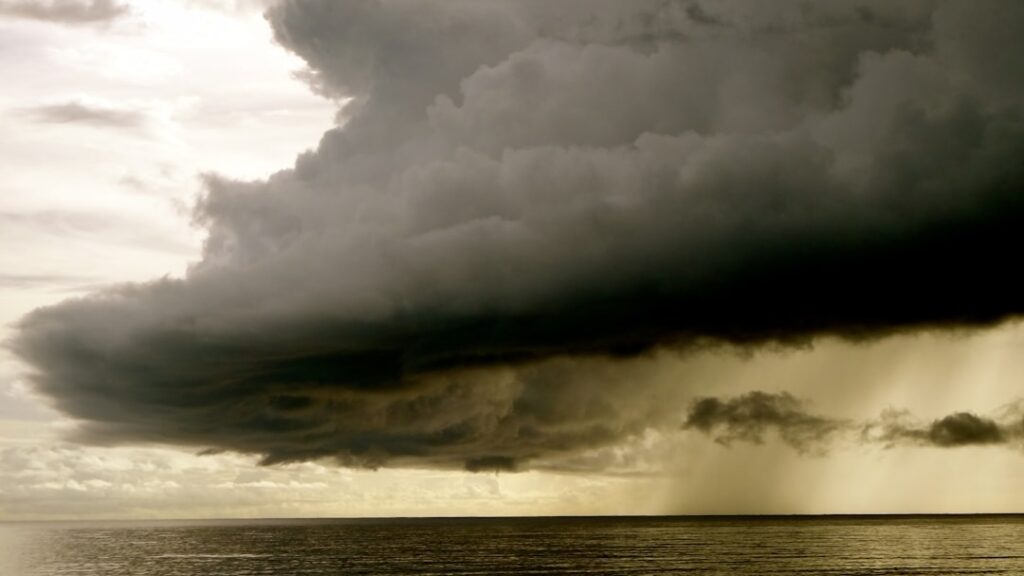
Understanding Severe Storms: Trends and Impacts in the United States
Severe storms have become increasingly prevalent across the United States, capturing the attention of meteorologists, scientists, and communities. From thunderstorms and tornadoes to hurricanes and winter storms, the variations of severe weather present both challenges and opportunities for preparedness and resilience.
What Are Severe Storms?
Severe storms are characterized by intense weather phenomena that can lead to significant damage and danger. Common types include:
- Thunderstorms: Often bring heavy rain, lightning, and high winds.
- Tornadoes: Extremely violent winds that can devastate landscapes in seconds.
- Hurricanes: Large storm systems that form over warm ocean waters, causing flooding and wind damage.
- Winter Storms: Include heavy snow, ice, and blizzards, leading to hazardous conditions.
Current Trends in Severe Storms
Recent studies show that severe storms are becoming more frequent and intense across the US, primarily due to climate change. Warmer temperatures increase moisture in the atmosphere, leading to heavier precipitation and more intense storms. Here are some of the trends noted:
- Increase in Frequency: Research indicates that the frequency of severe thunderstorms has risen over the last few decades, with more instances of torrential rain and damaging winds.
- Longer Hurricane Seasons: The Atlantic hurricane season is starting earlier and ending later, causing prolonged periods at risk for coastal communities.
- More Intense Storms: There is a trend toward more Category 4 and 5 hurricanes, bringing unprecedented levels of destruction.
Impacts on Communities
Severe storms can have devastating impacts on communities, economies, and ecosystems. Here are some significant effects:
- Property Damage: Homes and businesses often suffer substantial damage, leading to economic losses and displacement.
- Infrastructure Strain: Transportation, power, and communication infrastructures frequently face interruptions during severe weather events.
- Health Risks: Severe storms can lead to injuries, illness, and long-term health impacts due to stress and environmental changes.
Preparing for Severe Storms
Preparation is essential to mitigate the impacts of severe storms. Here are steps you can take:
- Stay Informed: Follow local weather forecasts and alerts to stay updated on impending storms.
- Create an Emergency Kit: Assemble necessary supplies such as food, water, medications, and first-aid essentials.
- Develop a Safety Plan: Make sure everyone in your household knows how to act during severe weather emergencies.
- Home Reinforcements: If you live in high-risk areas, consider retrofitting your home to withstand strong storms.
Conclusion
As severe storms continue to affect the United States, awareness and preparedness are more critical than ever. By staying informed and taking proactive measures, individuals and communities can enhance resilience against these increasingly severe weather events.
Read Also:
Walmart Stock: Analyzing Its Trending Performance in the U.S. Market
Source:
Google Trends
{“@context”:”https://schema.org”,”@type”:”FAQPage”,”mainEntity”:[{“@type”:”Question”,”name”:”What types of severe storms are common in the United States?”,”acceptedAnswer”:{“@type”:”Answer”,”text”:”Common types of severe storms in the US include thunderstorms, tornadoes, hurricanes, and winter storms.”}},{“@type”:”Question”,”name”:”How can I prepare for a severe storm?”,”acceptedAnswer”:{“@type”:”Answer”,”text”:”You can prepare by staying informed about the weather, creating an emergency kit, developing a safety plan, and reinforcing your home if necessary.”}}]}