


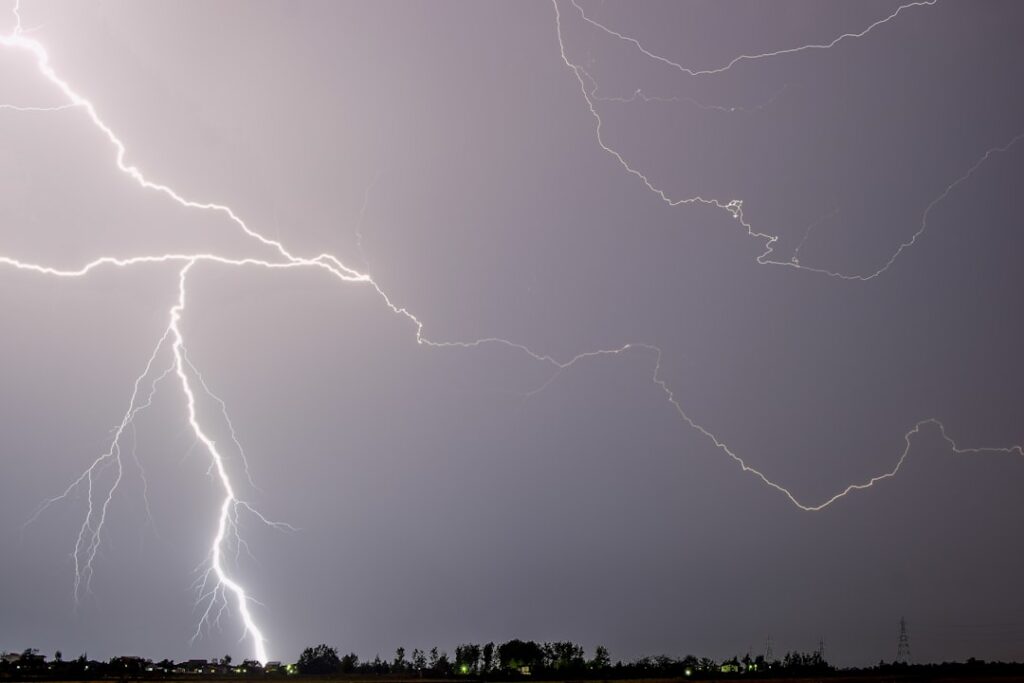
Understanding Severe Thunderstorm Warnings
As we head into storm season, the term ‘severe thunderstorm warning’ is frequently heard across various media outlets. But what does it actually mean, and how should you prepare? In this article, we’ll dive into what constitutes a severe thunderstorm warning and how you can stay safe.
What is a Severe Thunderstorm Warning?
A severe thunderstorm warning is issued by the National Weather Service (NWS) when a severe thunderstorm is occurring or imminent in your area. This warning typically signifies that the storm could produce damaging winds of 58 mph or greater, hail of 1 inch or larger, or a tornado.
The Importance of Staying Informed
Staying informed during storm season is crucial. These warnings are put in place to protect lives and property, and ignoring them can lead to dangerous outcomes. Severe thunderstorms can cause significant damage, including downed trees, power outages, and flash flooding.
How to Prepare for a Severe Thunderstorm Warning
Preparation is key to ensuring your safety during severe thunderstorms. Here are some steps you can take:
- Stay Informed: Keep an eye on weather apps or local news for the latest updates. Understanding the storm’s path can help you react appropriately.
- Create an Emergency Kit: Prepare an emergency kit that includes water, non-perishable food, medications, and important documents. This is essential in case of power outages or prolonged storms.
- Know Your Safe Locations: Identify safe spots in your home where you can take shelter during severe weather. Basements or interior rooms away from windows are typically the safest options.
- Have a Communication Plan: Make sure your family knows how to communicate during emergencies. Consider designating a meeting place if you happen to become separated.
What to Do During a Severe Thunderstorm Warning
If a severe thunderstorm warning is issued, here are important actions to take:
- Seek Shelter: Move to a safe location immediately. If you’re outside, find a sturdy building or vehicle.
- Avoid Windows: Keep away from windows and doors to prevent injury from flying debris.
- Listen to Emergency Alerts: Continue to monitor alerts and updates until the warning has expired.
After the Storm: Assessing Damage
Once the storm has passed, it’s important to assess any potential damage. Look out for downed power lines and report them immediately. If you evacuated your home, only return once it is safe to do so and authorities give the all-clear. Always prioritize safety when navigating debris-laden areas.
Conclusion
Severe thunderstorms can strike suddenly, making it essential to understand the implications of a severe thunderstorm warning. By staying informed, preparing in advance, and knowing how to respond, you can protect yourself and your loved ones from the dangers of severe weather.
Read Also:
Brooke Hogan: The Rising Star Making Waves in 2023
Source:
Google Trends
{“@context”:”https://schema.org”,”@type”:”FAQPage”,”mainEntity”:[{“@type”:”Question”,”name”:”What does a severe thunderstorm warning mean?”,”acceptedAnswer”:{“@type”:”Answer”,”text”:”It indicates that a severe thunderstorm is occurring or imminent in your area, capable of producing damaging winds, hail, or a tornado.”}},{“@type”:”Question”,”name”:”How can I stay updated on severe weather?”,”acceptedAnswer”:{“@type”:”Answer”,”text”:”You can stay updated by monitoring weather apps, local news, and signing up for alerts from the National Weather Service.”}}]}