


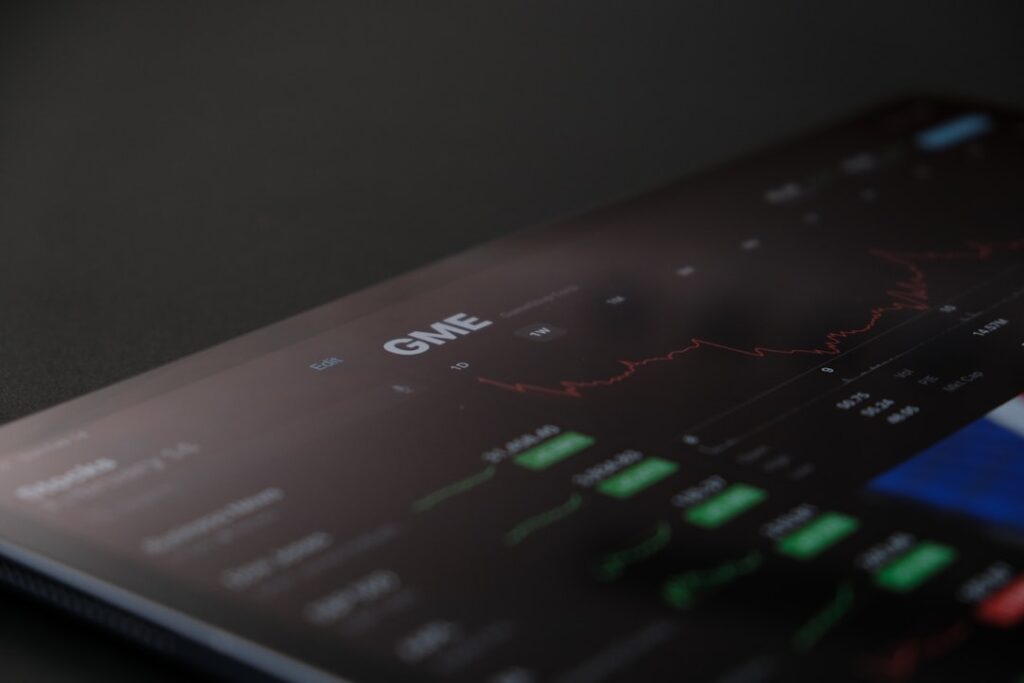
Understanding Stock Futures: Current Trends and Insights in the U.S. Market
As the financial landscape continues to evolve, stock futures have gained immense popularity among investors and traders in the United States. With the potential for substantial returns and the ability to hedge risks, understanding stock futures is critical. In this article, we will explore what stock futures are, how they work, and the current trends shaping their market in the U.S.
What are Stock Futures?
Stock futures are contracts that allow traders to buy or sell a specific number of shares of a stock at a predetermined price at a future date. These contracts are traded on futures exchanges and are typically used by investors for speculation or hedging purposes.
The key to stock futures lies in their leverage; investors can control a large number of shares with a relatively small amount of capital. However, this comes with increased risk which investors must be wary of.
How Stock Futures Work
Stock futures operate much like any other futures contract. When an investor buys a stock future, they agree to buy (or sell) shares at a set price on a specific future date. If the market price increases, the value of the futures contract also increases. Conversely, if the market price drops, the value of the contract decreases.
It’s essential to note that stock futures can be settled in two ways: through cash settlement or physical delivery. In cash settlement, the difference between the contract price and the market price is paid in cash, while in physical delivery, the actual shares are exchanged.
Current Trends in Stock Futures
Recently, stock futures have seen increased activity, particularly following economic changes and market volatility. Here are a few key trends:
1. Rise in Retail Participation
With the advent of trading platforms and apps, more retail investors are participating in stock futures trading. This trend has driven demand and increased market liquidity.
2. Volatility as an Investment Strategy
Due to ongoing economic uncertainties, many traders are now utilizing stock futures to capitalize on short-term price movements. The ability to go short on stock futures has also attracted investors looking to hedge against potential market downturns.
3. Focus on Major Index Futures
Futures trading involving major stock indices, such as the S&P 500 and Dow Jones Industrial Average, has surged. These instruments offer a way to gain exposure to a broad market while diversifying risk.
Risks and Considerations
While stock futures can provide lucrative opportunities, they also come with significant risks. The use of leverage can amplify losses, and investors must conduct thorough research before entering the market. Additionally, market conditions can be unpredictable, making it essential to develop a robust risk management strategy.
Conclusion
In summary, stock futures represent a dynamic aspect of trading that can offer substantial profit potential, especially in a volatile market. Understanding how they work and keeping an eye on current trends can equip investors with the knowledge they need to make informed decisions. As always, cautious and well-informed trading practices are essential when venturing into the world of stock futures.
Read Also:
Your Daily Wordle Hint: Solve Today’s Puzzle with Ease!
Source:
Google Trends
{“@context”:”https://schema.org”,”@type”:”FAQPage”,”mainEntity”:[{“@type”:”Question”,”name”:”What are the benefits of trading stock futures?”,”acceptedAnswer”:{“@type”:”Answer”,”text”:”Trading stock futures offers benefits such as high leverage, the ability to hedge against risks, and capitalizing on market volatility.”}},{“@type”:”Question”,”name”:”How can I start trading stock futures?”,”acceptedAnswer”:{“@type”:”Answer”,”text”:”To start trading stock futures, you can open an account with a brokerage that offers futures trading, fund your account, and begin researching contracts that interest you.”}}]}