


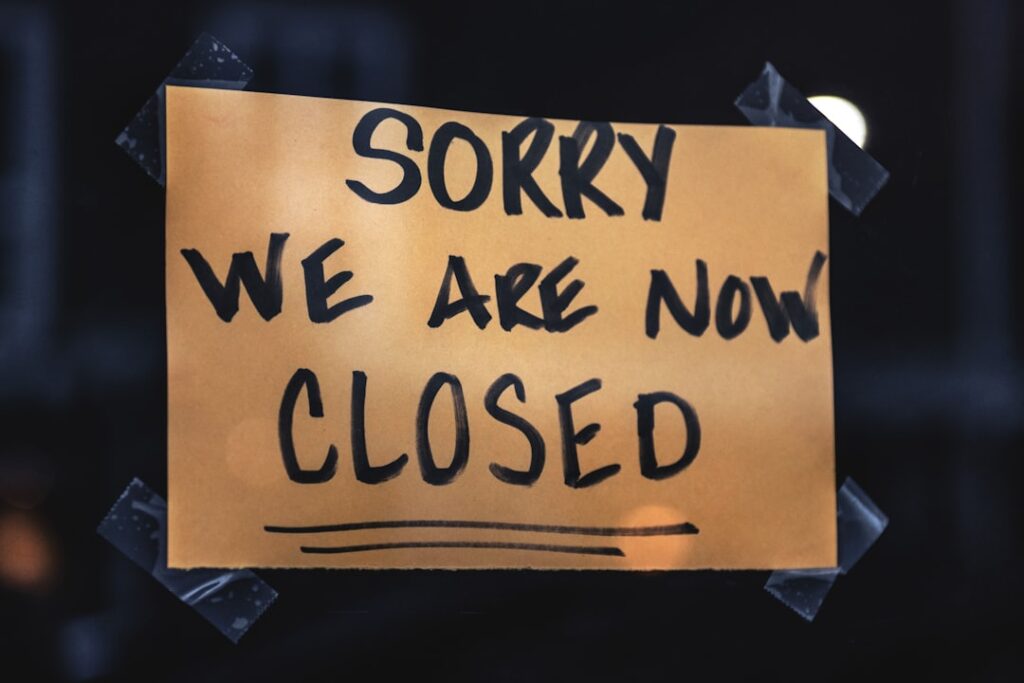
Understanding the Government Shutdown: Causes, Effects, and Implications
The term ‘government shutdown’ has become increasingly familiar to many Americans, especially as news cycles highlight the impending budget battles in Congress. A government shutdown occurs when Congress fails to pass appropriations bills or continuing resolutions to fund government operations. This article explores the causes, effects, and implications of a government shutdown in the United States.
What Causes a Government Shutdown?
Government shutdowns can occur for various reasons, often political in nature. The most common causes are:
- Political Gridlock: When one party controls Congress while the other holds the presidency, disagreements over budget priorities can lead to a stalemate.
- Contentious Issues: Issues such as healthcare, immigration, and defense spending can ignite fierce debates, causing negotiations to break down.
- Consequences of Inaction: A lack of agreement on spending levels can force the government to cease operations, as it cannot legally spend money without congressional approval.
The Economic Impact of a Government Shutdown
A government shutdown can have wide-ranging economic implications, both immediate and long-term:
- Disruption of Services: When the government shuts down, many federal agencies, such as the IRS and national parks, will cease operations, affecting millions of Americans.
- Impacts on Federal Employees: During a shutdown, around 800,000 federal workers may be furloughed or work without pay. This not only disrupts their income but also affects local economies that rely on their spending.
- Investor Confidence: Prolonged shutdowns can lead to uncertainty in financial markets, potentially influencing investments and spending decisions.
Effects on Daily Life
The effects of a government shutdown are felt across various sectors, impacting everyday life in numerous ways, including:
- Delays in Government Services: From processing tax returns to issuing passports, many essential services are delayed.
- National Security and Safety: Activities like border patrol and disaster relief may be hampered, affecting public safety.
- Travel and Tourism: National parks and museums closing can deter tourists and hurt communities dependent on tourism revenue.
Past Government Shutdowns
The United States has experienced several notable shutdowns. One of the longest lasted 35 days in late 2018 and early 2019, primarily over funding for a border wall. Understanding these historical contexts helps highlight the recurring nature of these events and the urgency behind finding solutions.
What Happens Next?
As discussions on budget priorities continue, it is crucial for citizens to stay informed about the potential for a government shutdown. Advocacy for responsible governance and urging accountability among elected officials can contribute to a more stable political environment, reducing the likelihood of future disruptions.
Conclusion
Government shutdowns not only highlight the tension in American politics but also have significant consequences for the economy and daily life. As the nation navigates these complex issues, understanding the causes and effects can empower citizens to demand better governance and work towards solutions that ensure the government functions effectively.
Read Also:
Understanding Fire Weather Watches: A Growing Concern in the United States
Source:
Google Trends
{“@context”:”https://schema.org”,”@type”:”FAQPage”,”mainEntity”:[{“@type”:”Question”,”name”:”What is a government shutdown?”,”acceptedAnswer”:{“@type”:”Answer”,”text”:”A government shutdown occurs when Congress fails to pass funding legislation, causing non-essential government operations to cease.”}},{“@type”:”Question”,”name”:”How does a government shutdown affect federal employees?”,”acceptedAnswer”:{“@type”:”Answer”,”text”:”During a shutdown, many federal workers may be furloughed or required to work without pay, significantly impacting their financial stability.”}}]}