


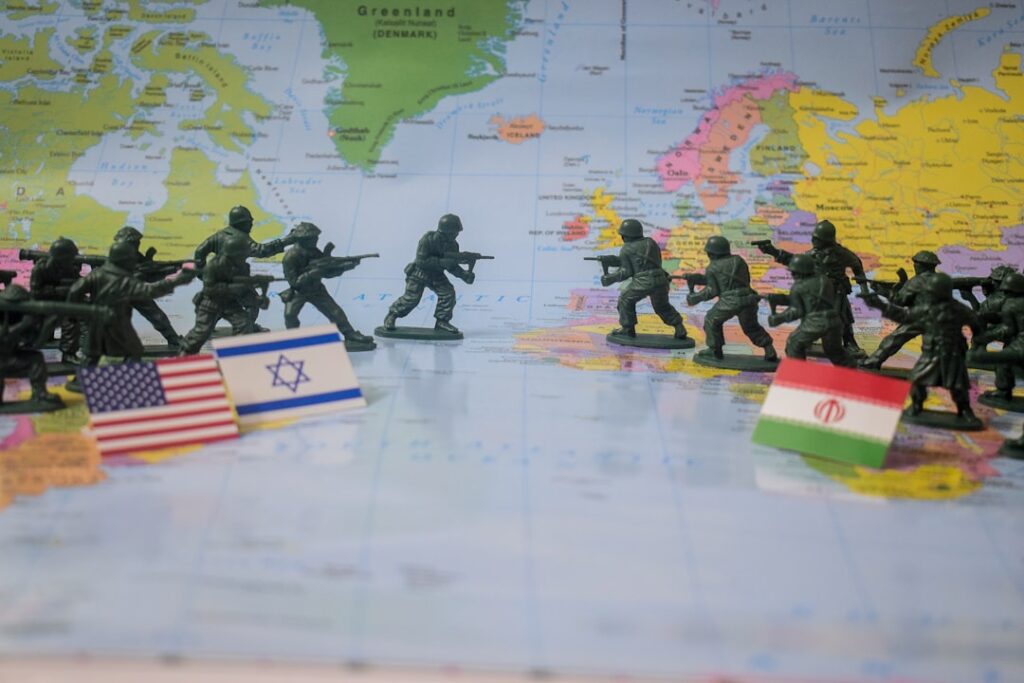
Understanding the Iran-Israel Strikes: Implications and Insights
The recent escalation of tensions between Iran and Israel has sparked global concern, particularly in the United States. As the situation unfolds, it is essential to grasp the complexities of these strikes and their potential implications.
Background of Iran-Israel Relations
Iran and Israel have a long history of animosity, rooted in ideological and geopolitical differences. Since the Islamic Revolution in 1979, Iran has actively opposed Israel’s existence, viewing it as an illegitimate state. This enmity has manifested in various forms, including military confrontations, cyber warfare, and proxy conflicts throughout the Middle East.
Recent Strikes: What Happened?
The latest series of strikes began with Iranian drones targeting Israeli positions in northern Syria, aimed at undermining Israel’s military presence in the region. In response, the Israeli Defense Forces (IDF) launched retaliatory strikes on Iranian facilities in Syria, claiming to dismantle operational bases that threaten its national security. This tit-for-tat has escalated tensions to levels not seen in years.
The United States’ Role
As a long-time ally of Israel, the United States has closely monitored these developments. The Biden administration has reaffirmed its commitment to Israel’s right to defend itself against hostile actions. U.S. officials warn that any further escalation could destabilize the already volatile region, prompting a possible backlash that could affect U.S. interests.
Potential Consequences of the Conflict
The ongoing strikes between Iran and Israel carry significant risks for regional stability. Analysts speculate that an all-out war could engulf neighboring countries, drawing in various global powers. Moreover, an escalation could disrupt oil supplies and heighten global oil prices, impacting economies worldwide, including that of the United States.
Public Sentiment in the U.S.
The American public’s response to the Iran-Israel strikes is complex, blending support for Israel with concerns about escalating conflict. Many citizens advocate for diplomatic solutions, urging the government to seek avenues for de-escalation instead of military intervention.
Future Implications and Global Reactions
As the situation develops, it is crucial to watch how other countries respond. Nations in Europe, including France and Germany, have called for restraint, emphasizing the need for dialogue. The actions taken by the U.S. and international community in the coming weeks will significantly influence the direction of this conflict.
Conclusion
The Iran-Israel strikes signify a critical moment in Middle Eastern geopolitics. Understanding the underlying factors and potential consequences is vital for anyone seeking to grasp the complexities of international relations today. While the prospect of peace remains elusive, ongoing discussions and diplomatic efforts are essential for maintaining regional and global stability.
Read Also:
Stuart Fairchild: Rising Star in Major League Baseball
Source:
Google Trends
{“@context”:”https://schema.org”,”@type”:”FAQPage”,”mainEntity”:[{“@type”:”Question”,”name”:”Why are Iran and Israel in conflict?”,”acceptedAnswer”:{“@type”:”Answer”,”text”:”The conflict stems from ideological and geopolitical differences, particularly after the Islamic Revolution in 1979 when Iran opposed Israel’s existence.”}},{“@type”:”Question”,”name”:”What is the U.S. response to the Iran-Israel strikes?”,”acceptedAnswer”:{“@type”:”Answer”,”text”:”The U.S. has reaffirmed its support for Israel’s right to defend itself and is concerned about the potential for further escalation in the region.”}}]}