


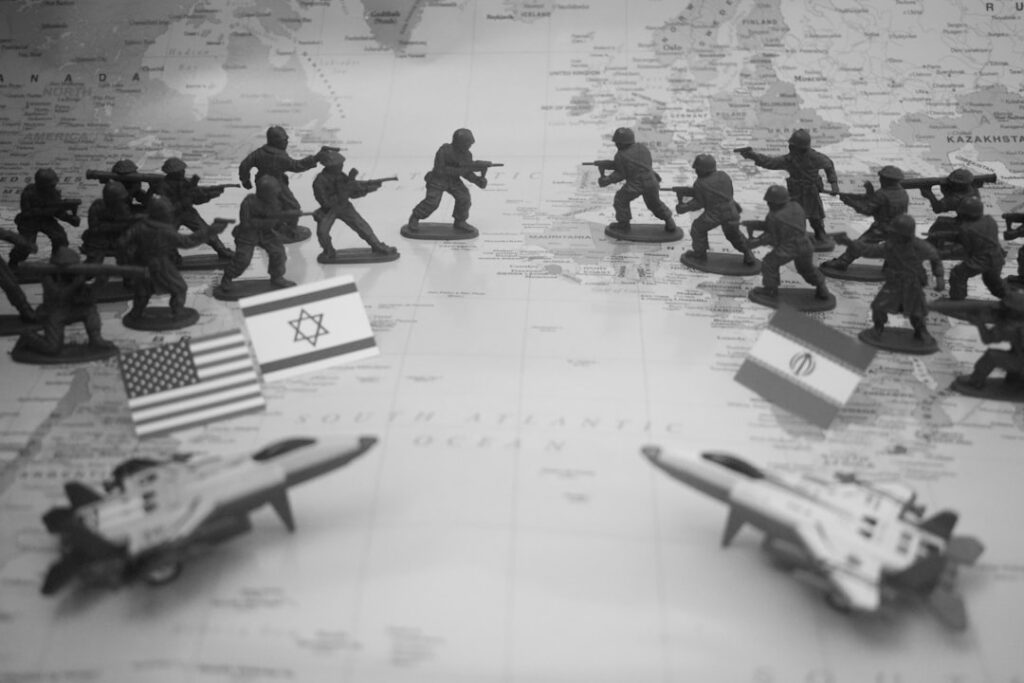
Understanding the Iran-US Tensions: A Historical Perspective
The relationship between Iran and the United States has been complex and often tumultuous, shaped by historical events, political decisions, and conflicting interests. In recent years, this topic has surged in discussions, particularly in the media and among policymakers. This post aims to unpack the nuances of Iran-US relations, highlighting key moments and contemporary implications.
Historical Context
The roots of the Iran-US relationship can be traced back to the early 20th century. However, a significant turning point occurred in 1953 when the CIA orchestrated a coup to overthrow Iran’s democratically elected Prime Minister, Mohammad Mossadegh. This event laid the groundwork for deep mistrust and resentment among Iranians toward the US.
The 1979 Iranian Revolution
A crucial moment in Iran-US relations was the 1979 Iranian Revolution, which led to the establishment of the Islamic Republic under Ayatollah Khomeini. The revolution resulted in the severance of diplomatic ties, with the infamous Iran hostage crisis marking a low point. Fifty-two American diplomats and citizens were held hostage for 444 days, culminating in a lasting legacy of animosity.
The Role of Nuclear Policy
Fast forward to the early 2000s, and concerns over Iran’s nuclear program escalated tensions further. The US and several allies believed that Iran was pursuing nuclear weapons under the guise of a civilian nuclear program. This led to harsh economic sanctions and a series of diplomatic negotiations, culminating in the Joint Comprehensive Plan of Action (JCPOA) in 2015, which aimed to limit Iran’s nuclear capabilities in exchange for lifting some sanctions.
Current Geopolitical Landscape
In the years following the agreement, tensions have resurfaced, particularly after the United States withdrew from the JCPOA in 2018 under President Donald Trump. This decision reversed years of diplomatic progress and restored severe sanctions, further crippling Iran’s economy and igniting widespread protests within the country.
The Biden Administration’s Approach
With the Biden administration, there has been a renewed focus on diplomacy. Talks have been held to potentially revitalize the JCPOA, with the aim of addressing not only nuclear issues but also Iran’s regional influence and human rights record. However, the complexities of domestic politics in both countries have made these discussions challenging.
The Domestic Impact in the United States
For many Americans, the Iran-US relationship can seem abstract. However, it impacts various facets of life, from gas prices to international security. The prevailing narrative in political discourse often reflects broader concerns about terrorism, human rights, and energy dependence. Moreover, public opinion remains divided, with varying perspectives on how the US should engage with Iran.
Conclusion
The evolving relationship between Iran and the United States is marked by a history of conflict and attempts at diplomacy. As global dynamics continue to shift, understanding these tensions becomes crucial for informed discourse in both domestic politics and international relations. It is vital to approach this topic with an open mind, recognizing that the narrative is complex and multifaceted.
Frequently Asked Questions
- What caused the deteriorating relationship between Iran and the US? The relationship deteriorated significantly after the 1979 Iranian Revolution and the subsequent hostage crisis, compounded by issues related to nuclear policy.
- Is there any possibility of reconciliation between Iran and the US? While there are ongoing diplomatic efforts, significant obstacles such as political tensions and public sentiment in both countries make reconciliation challenging.
Read Also:
Markquese Bell: Rising Star in America
Source:
Google Trends
{“@context”:”https://schema.org”,”@type”:”FAQPage”,”mainEntity”:[{“@type”:”Question”,”name”:”What caused the deteriorating relationship between Iran and the US?”,”acceptedAnswer”:{“@type”:”Answer”,”text”:”The relationship deteriorated significantly after the 1979 Iranian Revolution and the subsequent hostage crisis, compounded by issues related to nuclear policy.”}},{“@type”:”Question”,”name”:”Is there any possibility of reconciliation between Iran and the US?”,”acceptedAnswer”:{“@type”:”Answer”,”text”:”While there are ongoing diplomatic efforts, significant obstacles such as political tensions and public sentiment in both countries make reconciliation challenging.”}}]}