


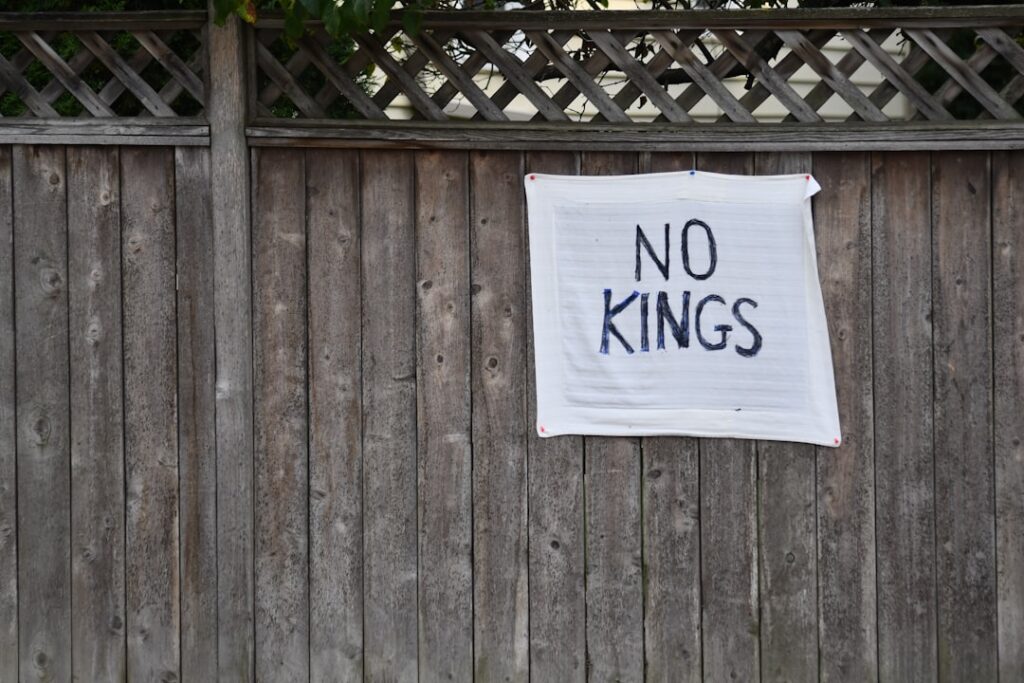
No Kings Protest: A Rising Movement
The phrase ‘No Kings Protest’ has become a significant trend across various cities in the United States. Emerging from a strong desire for social justice and equality, these protests resonate with people who seek to dismantle systemic oppression and promote a more equitable society.
What is the ‘No Kings’ Movement?
The ‘No Kings’ movement is inherently rooted in anti-authoritarian sentiments. It emphasizes the idea that no one is above others—especially not those in power. This ideology provokes discussions around inequality, privilege, and the fundamental rights of every individual. The phrase itself symbolizes a rejection of a hierarchical system where few hold all the power, and many are left voiceless.
Why are ‘No Kings’ Protests Trending?
Recently, calls for ‘No Kings’ protests have gained traction due to numerous factors:
- Social Justice Movements: The success of movements like Black Lives Matter and others has spurred people to unite under various causes, including the No Kings ideology.
- Political Climate: Increasing discontent with political leadership has fueled many to protest against perceived injustices.
- Grassroots Organization: Social media has played a vital role in organizing protests, allowing people to mobilize quickly around shared values.
Upcoming Protests: Join the Movement
If you are looking to join a local ‘No Kings’ protest, it’s essential to stay informed about upcoming events. These may be organized through social media platforms or community bulletin boards. Participating in these events can significantly amplify your voice and contribute to a broader societal change.
How to Get Involved
Getting involved in the ‘No Kings’ protest movement is straightforward. Here are a few ways:
- Research: Stay updated on local and national news to learn about protest dates and locations.
- Volunteer: Many organizations that organize protests often need volunteers for planning and execution.
- Spread Awareness: Use your social media platforms to raise awareness about the movement and encourage others to join.
Safety and Etiquette During Protests
While participating in protests, it’s crucial to prioritize safety. Here are some tips to consider:
- Stay Alert: Be aware of your surroundings and the people around you.
- Respect Others: Everyone has the right to voice their opinions; maintain a respectful atmosphere.
- Stay Prepared: Bring necessary items such as water, snacks, and a portable phone charger.
FAQs About ‘No Kings’ Protests
As the ‘No Kings’ protest movement continues to gain momentum, here are some frequently asked questions.
1. What do the ‘No Kings’ protests advocate for?
The protests advocate against hierarchical systems of power and inequality, promoting social justice and collective action.
2. Who can participate in ‘No Kings’ protests?
Everyone is welcome to participate, regardless of background, as long as they share the core values of promoting social justice and equality.
3. How can I find protests near me?
You can find local protests through social media platforms, community organizations, and news outlets that report on activist events.
4. What should I wear to a protest?
It is recommended to wear comfortable clothing and shoes, with layers for varying weather conditions. Also, consider wearing something that identifies with the movement.
5. What resources are available for first-time protesters?
Many organizations provide guides and tips for first-time protesters, including safety materials and educational resources about the movement.
Read Also:
Barcelona vs Rayo Vallecano: A Clash of Spanish Titans
Source:
Google Trends
{“@context”:”https://schema.org”,”@type”:”FAQPage”,”mainEntity”:[{“@type”:”Question”,”name”:”What do the ‘No Kings’ protests advocate for?”,”acceptedAnswer”:{“@type”:”Answer”,”text”:”The protests advocate against hierarchical systems of power and inequality, promoting social justice and collective action.”}},{“@type”:”Question”,”name”:”Who can participate in ‘No Kings’ protests?”,”acceptedAnswer”:{“@type”:”Answer”,”text”:”Everyone is welcome to participate, regardless of background, as long as they share the core values of promoting social justice and equality.”}},{“@type”:”Question”,”name”:”How can I find protests near me?”,”acceptedAnswer”:{“@type”:”Answer”,”text”:”You can find local protests through social media platforms, community organizations, and news outlets that report on activist events.”}},{“@type”:”Question”,”name”:”What should I wear to a protest?”,”acceptedAnswer”:{“@type”:”Answer”,”text”:”It is recommended to wear comfortable clothing and shoes, with layers for varying weather conditions. Also, consider wearing something that identifies with the movement.”}},{“@type”:”Question”,”name”:”What resources are available for first-time protesters?”,”acceptedAnswer”:{“@type”:”Answer”,”text”:”Many organizations provide guides and tips for first-time protesters, including safety materials and educational resources about the movement.”}}]}