


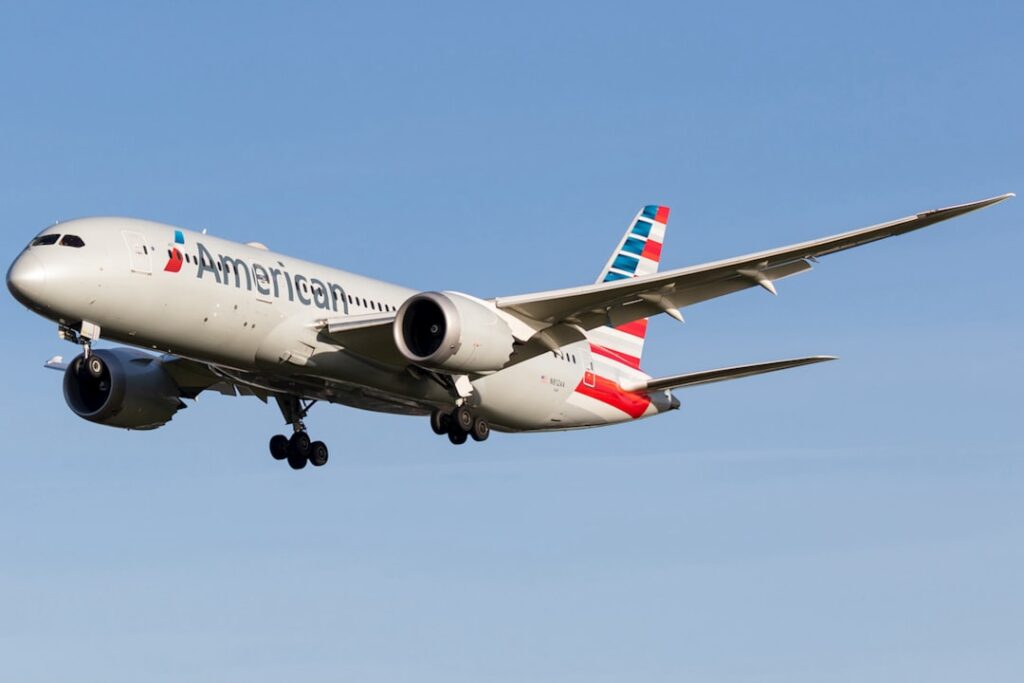
Understanding U.S. Flight Delays and Cancellations
Flight delays and cancellations have become all too familiar in the travel landscape of the United States. As more travelers take to the skies post-pandemic, these disruptions have sparked widespread frustration. This article explores the reasons behind these delays, culprits, and tips for travelers to navigate them effectively.
Why Are Flights Delayed or Canceled?
There are several factors that contribute to flight delays and cancellations. Weather, technical malfunctions, staffing shortages, and air traffic control issues are some of the primary causes. Weather conditions like thunderstorms, snow, and fog can severely disrupt flight schedules, leading to delays and cancellations.
The Impact of Weather on Flight Operations
Weather remains one of the top reasons for flight interruptions. Airports in the Northeast tend to experience heavy delays during winter months due to snowstorms, while summer storms can lead to unpredictable disruptions nationwide. Passengers should always check the weather forecast before their travel date, as adverse conditions can impact operational efficiency.
Staffing Shortages: A Persistent Issue
In recent years, the airline industry has seen significant staffing shortages, exacerbated by the pandemic. The lack of crew members can lead to significant delays or even cancelations, as airlines struggle to ensure that all flights are adequately staffed. The Federal Aviation Administration (FAA) has acknowledged these staffing challenges and is actively working to address them.
Know Your Rights: What to Do When Flights Are Canceled
When faced with flight cancellations, understanding your rights as a passenger can make a significant difference. The U.S. Department of Transportation requires airlines to provide passengers with compensation for significant schedule changes, including cancellations. Here are some steps to take if your flight is canceled:
- Stay informed: Keep your cellphone handy and check your email for any notifications from the airline.
- Know your options: If your flight is canceled, airlines typically offer rebooking options or refunds.
- Document everything: Keep track of all communications and expenses related to your canceled flight for potential reimbursement.
Staying Prepared: Tips for Travelers
Preparation can help mitigate the stress of potential flight delays and cancellations. Consider the following tips before heading to the airport:
- Book smart: Try to choose flights that depart early in the day when weather has had less chance to disrupt operations.
- Monitor your flight: Use airport apps or websites to stay up-to-date with real-time flight information.
- Consider travel insurance: Travel insurance can provide reimbursement for unused travel expenses if your flight is canceled.
Conclusion: Navigating Flight Delays and Cancellations
While flight delays and cancellations can be frustrating for travelers, understanding the reasons behind these disruptions can help mitigate anxiety. By staying informed and prepared, you can navigate any challenges that come with air travel in the United States. Remember, patience and preparation are key components to a successful flying experience.
Read Also:
Understanding the Role of the Michigan Attorney General: Key Trends and Highlights
Source:
Google Trends
{“@context”:”https://schema.org”,”@type”:”FAQPage”,”mainEntity”:[{“@type”:”Question”,”name”:”What should I do if my flight is delayed?”,”acceptedAnswer”:{“@type”:”Answer”,”text”:”Stay informed through the airline’s app or website, and communicate with customer service for options.”}},{“@type”:”Question”,”name”:”Are airlines required to compensate passengers for cancellations?”,”acceptedAnswer”:{“@type”:”Answer”,”text”:”Yes, airlines must compensate passengers for significant schedule changes, including cancellations.”}}]}