


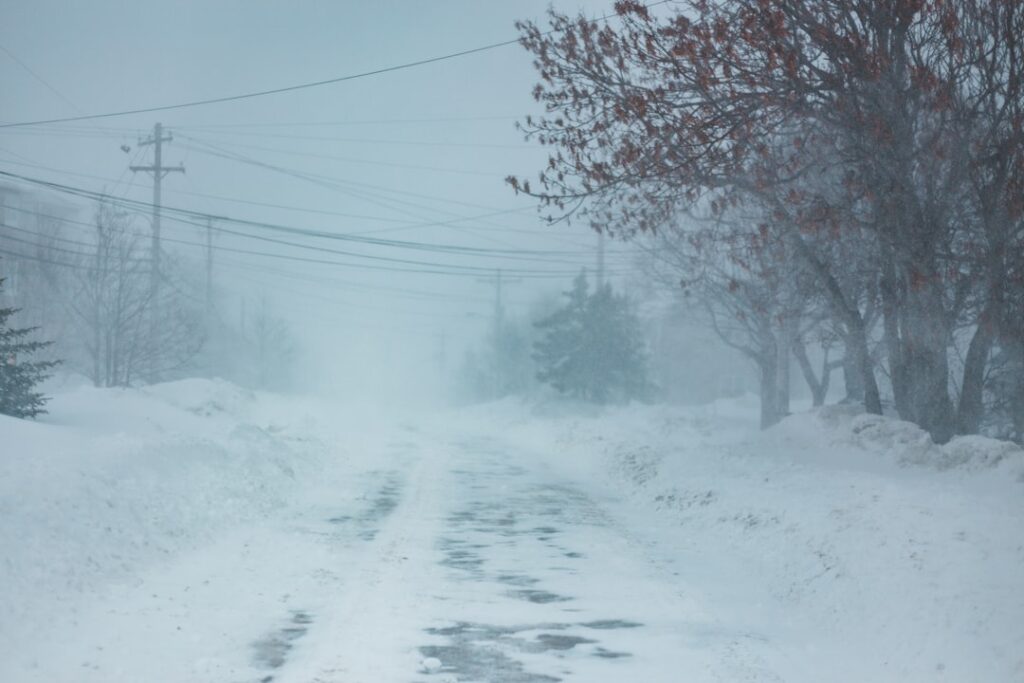
Understanding Winter Storm Warnings: Essentials for Preparedness
Winter storms can be beautiful but also dangerous. With recent trends indicating more frequent severe weather patterns across the United States, understanding the impact of winter storm warnings is crucial for safety and preparedness. In this blog post, we will delve into what these warnings mean, how to prepare, and what precautions to take during a winter storm.
What is a Winter Storm Warning?
A winter storm warning is issued by the National Weather Service (NWS) when severe winter weather is expected, typically including significant snowfall, ice accumulation, and high winds. The criteria for these warnings can vary by region, but they generally indicate hazardous conditions that could significantly disrupt daily life.
Types of Winter Weather Alerts
It’s important to understand the different types of alerts issued by meteorological services. Here’s a brief overview:
- Winter Storm Watch: Conditions are favorable for a winter storm. Stay updated and be prepared.
- Winter Storm Warning: Heavy snow, sleet, or freezing rain is imminent or already occurring. Take precautions.
- Ice Storm Warning: Significant ice accumulation is expected, making travel extremely dangerous.
- Blizzard Warning: Severe winter conditions with strong winds and low visibility, leading to potential life-threatening situations.
Preparing for a Winter Storm Warning
When a winter storm warning is issued, preparation is key to ensuring you and your loved ones stay safe. Here are essential steps to follow:
- Stay Informed: Follow local news and weather channels for updates and advisories.
- Stock Up on Supplies: Ensure you have enough food, water, medications, and essential supplies to last several days without needing to venture outside.
- Winterize Your Home: Make sure your home is prepared. Insulate pipes, seal drafts, and ensure heating systems are working effectively.
- Prepare Your Vehicle: Keep your vehicle fueled and have an emergency kit that includes blankets, snacks, and a flashlight.
Staying Safe During a Winter Storm
During a winter storm, safety should be your top priority. Here are vital tips to remain safe:
- Avoid Travel: If possible, stay indoors. Roads can become treacherous quickly, and visibility may decrease significantly.
- Check on Neighbors: Reach out to elderly neighbors or those who may need assistance during the storm.
- Monitor Weather Updates: Weather conditions can change rapidly. Keep your phone or radio handy for the latest alerts.
- Use Caution with Heating Sources: If using a fireplace or space heater, ensure proper ventilation to prevent carbon monoxide poisoning.
After the Storm: Recovery and Cleanup
Once the storm has passed, there are still precautions to take. Here are suggestions for safely recovering after a winter storm:
- Assess Damage: Check for any damage to your home or property before stepping outside.
- Shovel Snow Carefully: Use proper techniques to avoid injury when clearing snow from driveways and sidewalks.
- Stay Updated: Continue to monitor for any follow-up weather warnings or road closures.
Conclusion
Winter storm warnings are critical alerts that everyone in affected areas should heed. By staying informed and prepared, you can protect yourself and your family from the dangers posed by severe winter weather. Remember to take winter storm warnings seriously and act accordingly to ensure a safe and healthy winter season.
Read Also:
Who Are Keaton Wagler's Parents? A Deep Dive into His Family Background
Source:
Google Trends
{“@context”:”https://schema.org”,”@type”:”FAQPage”,”mainEntity”:[{“@type”:”Question”,”name”:”What should I include in an emergency kit for a winter storm?”,”acceptedAnswer”:{“@type”:”Answer”,”text”:”An emergency kit should include non-perishable food, water, medications, flashlights, blankets, and a battery-operated radio.”}},{“@type”:”Question”,”name”:”How can I stay informed about winter storm warnings?”,”acceptedAnswer”:{“@type”:”Answer”,”text”:”You can stay informed through local weather channels, the National Weather Service website, and weather apps on your smartphone.”}}]}