


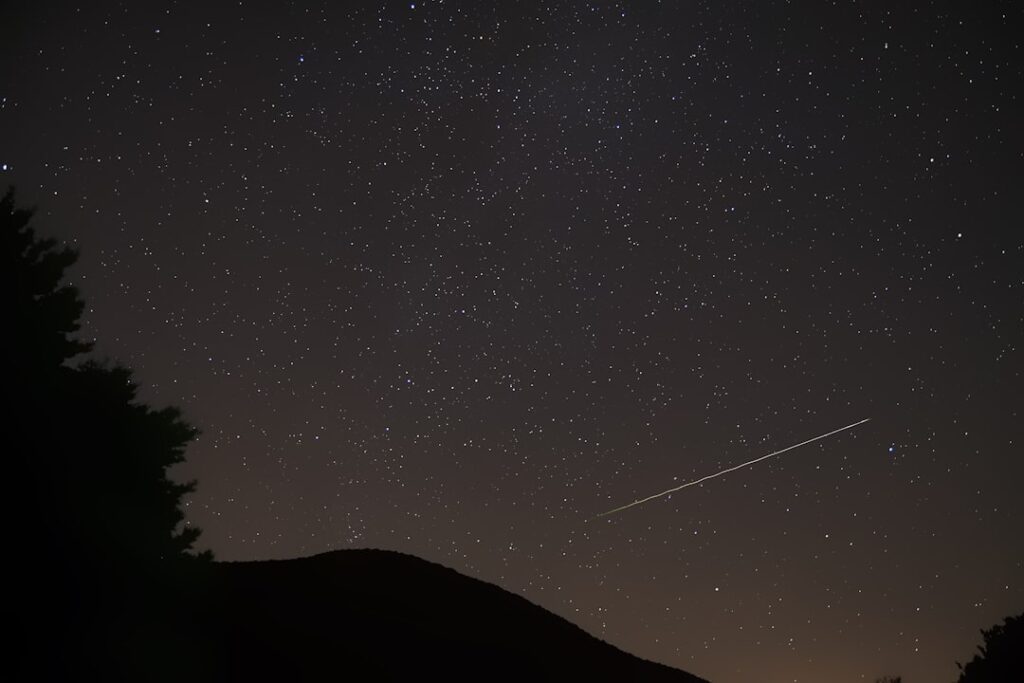
Experience the Lyrid Meteor Shower Tonight!
Tonight, stargazers across the United States will have the rare and thrilling opportunity to witness the Lyrid meteor shower. Known for its bright meteors and its historical significance, the Lyrids offer an unforgettable show for both seasoned astronomers and casual sky watchers. In this blog post, we’ll guide you through everything you need to know to make the most of this celestial event.
What Are the Lyrids?
The Lyrid meteor shower is one of the oldest recorded meteor showers, with observations dating back over 2,600 years. It occurs every April as Earth passes through a trail of debris from the Comet C/1861 G1 Thatcher. This debris burns up in the atmosphere, creating streaks of light we call meteors.
When to Watch the Lyrid Meteor Shower
This year, the peak of the Lyrid meteor shower occurs tonight. To have the best chance of seeing the meteors, head outside after midnight and before dawn when the sky is darkest. Expect to see about 10 to 20 meteors per hour under ideal conditions!
Where to Watch the Lyrids
For optimal viewing, find a location away from city lights. National parks and open fields are excellent spots to soak in the beauty of the night sky without the interference of light pollution. Consider bringing a reclining chair or blanket so you can lay back and enjoy the view comfortably.
How to Prepare for Meteor Watching
- Check the Weather: Ensure you have clear skies by checking your local weather forecast. Cloud cover can obscure the meteors, so a clear night is ideal.
- Dress Comfortably: April nights can be chilly, so dress in layers and bring blankets to keep warm as you wait for the meteors to appear.
- Limit Light Exposure: Allow your eyes to adjust to the darkness by avoiding the use of bright lights or screens shortly before and during your viewing.
What to Expect
During the Lyrid meteor shower, you can expect to see bright, fast-moving meteors with occasional fireballs—these are exceptionally bright meteors that can be seen over great distances. Their paths often have a distinctive characteristic, with some appearing to originate from the constellation Lyra, giving the meteor shower its name.
Don’t Miss Out!
This is an extraordinary opportunity to connect with nature and witness a facet of the universe that is often overlooked. Grab your friends or family, and immerse yourself in the marvels of the night sky. If you miss the Lyrids tonight, remember that there are several other meteor showers throughout the year, such as the Perseids in August and the Geminids in December.
Conclusion
As the Lyrid meteor shower lights up the night sky tonight, it’s a chance to step away from technology, gaze upwards, and appreciate the beauty of the cosmos. Mark your calendars and prepare to be mesmerized!
Read Also:
The Ohio Governor Race: Key Insights and Trends for 2024
Source:
Google Trends
{“@context”:”https://schema.org”,”@type”:”FAQPage”,”mainEntity”:[{“@type”:”Question”,”name”:”What is the Lyrid meteor shower?”,”acceptedAnswer”:{“@type”:”Answer”,”text”:”The Lyrid meteor shower is an annual event that occurs in April, featuring meteors from debris left by Comet C/1861 G1 Thatcher.”}},{“@type”:”Question”,”name”:”How many meteors can I expect to see tonight?”,”acceptedAnswer”:{“@type”:”Answer”,”text”:”Under ideal conditions, you can expect to see about 10 to 20 meteors per hour during the peak of the Lyrid meteor shower.”}}]}