


What to Expect from the Moon Tonight
Are you ready to gaze upon the magnificent moon tonight? For skywatchers and astronomy enthusiasts across the United States, tonight’s celestial display is not to be missed. In this guide, we’ll explore what you can expect, tips for the best viewing experience, and fun facts about our closest celestial neighbor.
Where to Look for the Moon
First and foremost, check the local time for moonrise in your area. Depending on your location, the moon could rise as early as 5 PM or as late as 10 PM. Websites like TimeandDate.com can provide you with the specific moonrise and moonset times.
Tonight’s Moon Phase
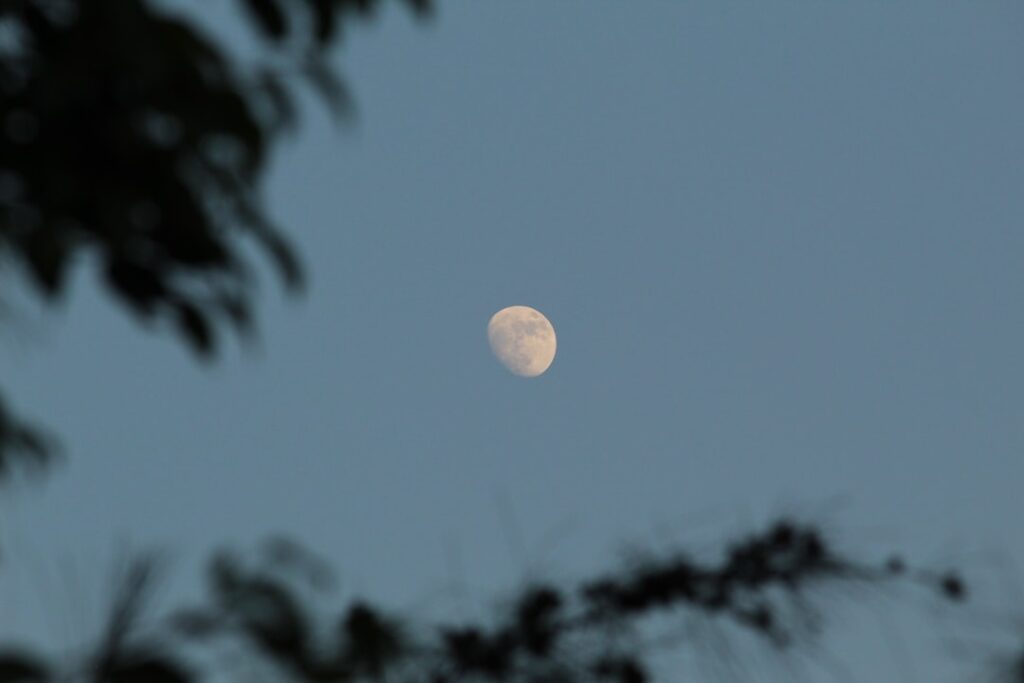
Tonight, the moon is currently in the Waxing Gibbous stage which means it’s nearly full. The Waxing Gibbous phase occurs when more than half of the moon is illuminated by the sun but isn’t quite full yet. This phase offers an excellent opportunity to see great surface details, so grab your telescope or binoculars!
Tips for a Great Moon Viewing Experience
- Find a Dark Spot: To truly appreciate the moon’s beauty, try to get away from city lights. Parks or rural areas provide fantastic views without the light pollution that can hinder your experience.
- Bring Binoculars or a Telescope: Even though you can see the moon with the naked eye, using binoculars or a telescope will allow you to observe craters and maria in detail.
- Time Your Viewing: The best time to view the moon is right after it rises or just before it sets. This is when it appears larger on the horizon due to an optical illusion known as the ‘moon illusion.’
- Take Photos: If you’re looking to capture this breathtaking sight, make sure to bring your camera. Use a tripod for stability and experiment with different settings to see what produces the best results.
Fun Facts About the Moon
- Did you know that the moon is moving away from Earth? Each year, the moon drifts about 1.5 inches further away!
- The Moon’s surface temperature can range from extremely hot to icy cold—up to 260 degrees Fahrenheit in the daytime and around -280 degrees Fahrenheit at night.
- The Moon takes 27.3 days to complete its orbit around Earth, which is why the lunar cycle is approximately 29.5 days.
Community Engagement
This evening, join local astronomy clubs or social media groups dedicated to stargazing. Many enthusiasts share their experiences, photos, and insights, enhancing the communal experience of viewing the moon. Tag your photos with #MoonTonight to connect with others who are enjoying the celestial show.
Conclusion
No matter where you are in the United States, the moon tonight is set to be a dazzling sight. Whether you’re a seasoned astronomer or a casual stargazer, this natural wonder offers something special for everyone. Prepare your gear, find a great viewing spot, and enjoy the magic of the moon.
Read Also:
Wayne Gretzky: The Definitive Guide to the Great One's Legacy
Source:
Google Trends
{“@context”:”https://schema.org”,”@type”:”FAQPage”,”mainEntity”:[{“@type”:”Question”,”name”:”What time will the moon rise tonight?”,”acceptedAnswer”:{“@type”:”Answer”,”text”:”Check your local time using websites like TimeandDate.com for specific moonrise times in your area.”}},{“@type”:”Question”,”name”:”What phase is the moon in tonight?”,”acceptedAnswer”:{“@type”:”Answer”,”text”:”The moon is in the Waxing Gibbous phase tonight, just a few days away from being full.”}}]}