


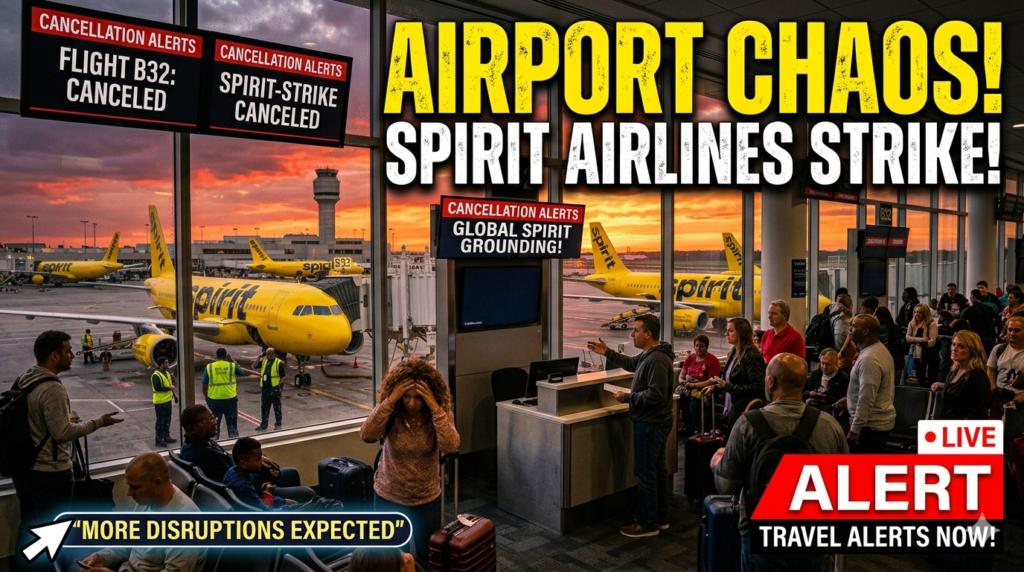
The shocking news that Spirit Airlines has shut down operations has left millions of travelers stunned. Known for its ultra-low-cost fares and no-frills service, Spirit Airlines was one of the most recognizable budget carriers in the United States. So, what went wrong? Why did Spirit Airlines shut down despite its popularity among cost-conscious flyers? Here’s a complete breakdown of the situation.
📉 Rising Financial Pressure and Mounting Losses
One of the biggest reasons behind the shutdown of Spirit Airlines was its growing financial instability. Over the past few years, the airline struggled with rising operational costs, including fuel prices, aircraft maintenance, and staffing expenses.
While Spirit built its brand on offering cheap tickets, the model became harder to sustain. Profit margins were extremely thin, and any disruption—whether economic or operational—had a direct impact on its financial health. Reports suggest that consistent losses and increasing debt made it difficult for the airline to continue operations.
⚖️ Failed Mergers and Strategic Setbacks
Another major factor was the airline’s failed merger attempts. Spirit Airlines had been involved in high-profile merger talks with other carriers, including JetBlue Airways. The proposed deal was expected to stabilize Spirit’s future and provide a stronger competitive edge.
However, regulatory hurdles and legal challenges prevented the merger from going through. This left Spirit in a vulnerable position, without the financial backing or structural support it desperately needed.
🛫 Intense Competition in the Airline Industry
The airline industry is fiercely competitive, and Spirit Airlines faced constant pressure from both low-cost and full-service carriers. Airlines like Southwest Airlines and Delta Air Lines began offering competitive pricing along with better customer experience.
Spirit’s business model—charging separately for baggage, seat selection, and onboard services—started to lose appeal. Travelers began opting for airlines that offered better value overall, even if ticket prices were slightly higher.
😡 Customer Experience and Brand Perception
Spirit Airlines had long struggled with its reputation. While some passengers appreciated the low fares, many criticized the airline for hidden fees, delays, and customer service issues.
Negative customer experiences often went viral on social media, affecting brand perception. Over time, this damaged trust and reduced customer loyalty, making it harder for Spirit to retain its passenger base.

🌍 External Factors That Made Things Worse
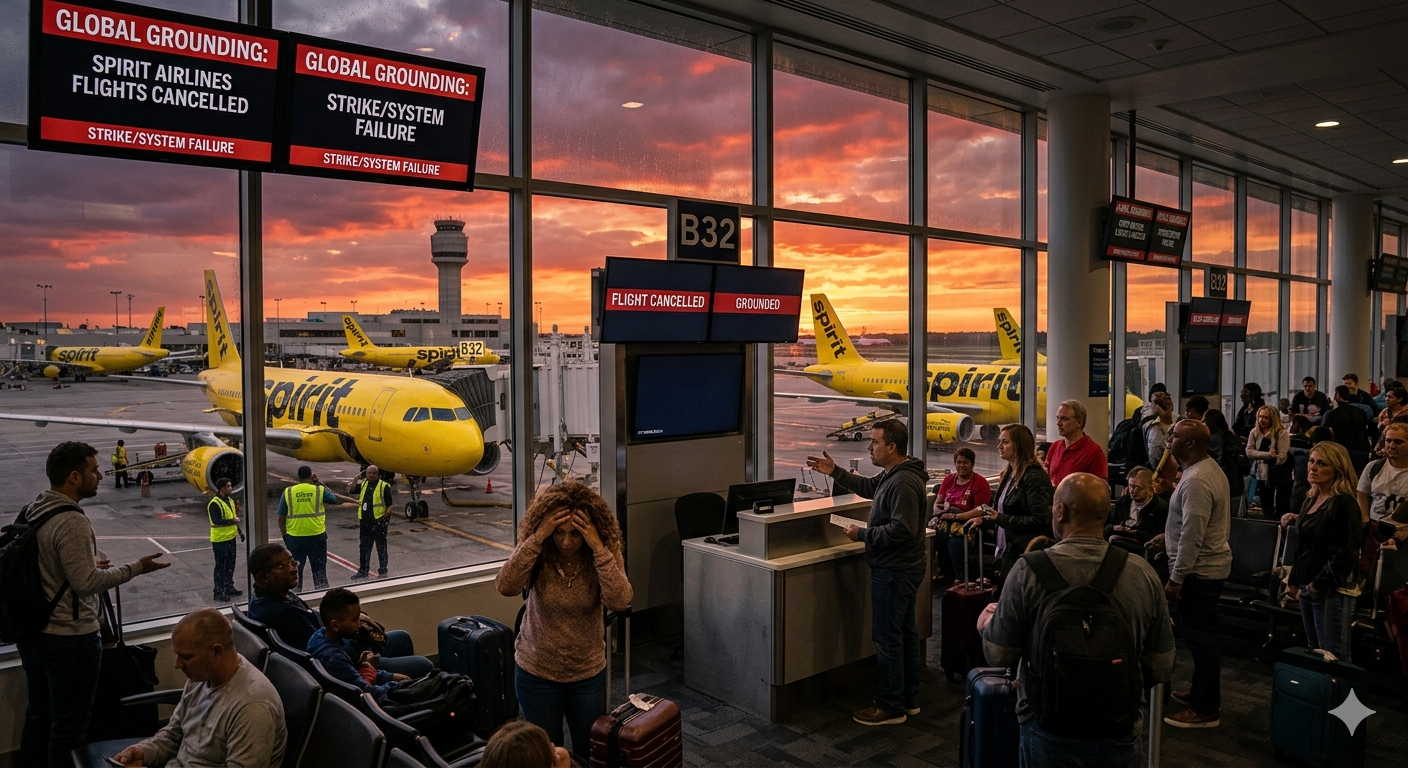
Several external factors also contributed to the shutdown. The aviation industry has faced turbulence in recent years due to global events, fluctuating demand, and economic uncertainty.
From pandemic-related disruptions to supply chain issues affecting aircraft parts, Spirit Airlines was hit on multiple fronts. These challenges further strained its already fragile financial condition.
🔍 What Happens Next?
With Spirit Airlines shutting down, thousands of employees face uncertainty, and travelers are left scrambling for alternatives. Industry experts believe this could lead to higher ticket prices in the short term, as one of the major low-cost players exits the market.
At the same time, other airlines may step in to fill the gap, expanding routes and increasing capacity. The long-term impact will depend on how competitors respond and how quickly the market adjusts.
🧾 Final Thoughts
The shutdown of Spirit Airlines is a reminder of how challenging the airline industry can be. Despite its strong brand recognition and loyal customer base, a combination of financial struggles, failed mergers, tough competition, and operational challenges led to its downfall.
For travelers, it marks the end of an era of ultra-cheap flights. For the industry, it highlights the importance of sustainability, adaptability, and customer trust in a rapidly evolving market.
Also Read: Everything You Need to Know About Alaska Airlines: Your Ultimate Guide