


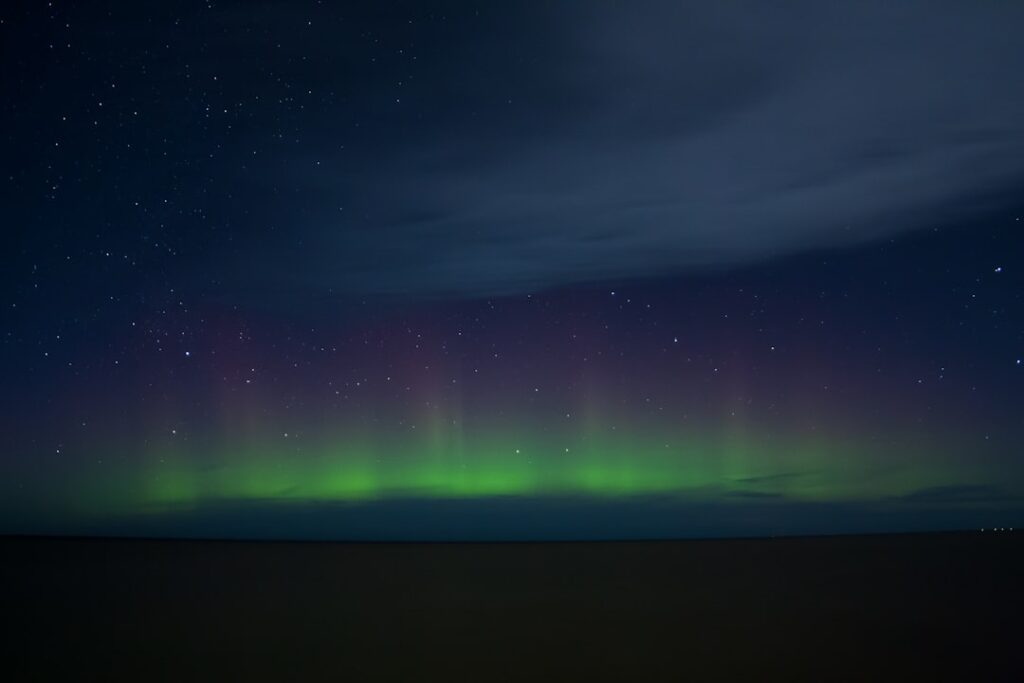
Aurora Borealis Forecast: The Best Times and Places to See the Northern Lights
The Aurora Borealis, or Northern Lights, is one of nature’s most mesmerizing spectacles. This dazzling display of colors in the night sky captivates thousands each year, especially in the United States. With the increasing interest in the phenomenon, many are turning to the aurora borealis forecast to plan their viewing trips effectively.
What is the Aurora Borealis?
The Aurora Borealis occurs when charged particles from the sun collide with gases in the Earth’s atmosphere, creating brilliant waves of light. Predominantly seen in polar regions, there’s growing potential for sightings in the northern states of the U.S., especially Alaska, Montana, and North Dakota.
Understanding Aurora Borealis Forecasts
Forecasting the aurora borealis involves tracking solar activity and geomagnetic conditions. Factors influencing visibility include solar wind speeds, geomagnetic storms, and weather conditions. Reliable forecasts can provide insights on when and where to catch the best views.
How to Access Aurora Borealis Forecasts
Several resources exist for tracking aurora forecasts. Websites such as Aurora Source and apps like Aurora Alerts offer real-time updates. Social media platforms also gather data, providing timely notifications for aurora enthusiasts.
Best Locations in the U.S. to View the Aurora Borealis
When planning a trip to witness the Northern Lights, consider these top locations:
- Fairbanks, Alaska: Renowned for its consistent aurora activity, Fairbanks is often dubbed the “Aurora Capital of the World.”
- Denali National Park: With minimal light pollution, this park offers exhilarating views of the aurora.
- Minot, North Dakota: Less famed than others, this city provides excellent viewing opportunities due to its geographical position.
- Michigan’s Upper Peninsula: Areas away from city lights, such as Copper Harbor, present beautiful vistas of the aurora.
- Montana: Glacier National Park is a stellar backdrop that accentuates the glow of the Northern Lights.
When is the Best Time to See the Aurora Borealis?
The prime aurora season in the United States typically spans from mid-August to mid-April. The best chances occur during the winter months when longer nights and clearer skies prevail. Specifically, the period around the equinoxes, March and September, often sees increased solar activity.
Preparation for Viewing the Aurora
Before heading out for your aurora hunting trip, ensure that you are well-prepared. Here are tips to enhance your experience:
- Check the weather: Clear skies provide the best visibility. Be sure to check local weather forecasts.
- Dress warmly: Temperatures can drop significantly at night, especially during winter months.
- Choose a dark location: Escape light pollution by finding remote viewing spots.
- Be patient: The aurora can be unpredictable, so give yourself time to wait for the spectacular display.
Conclusion
The Aurora Borealis is a breathtaking display that offers an unforgettable experience for those fortunate enough to witness it. By utilizing forecasts and knowing the best times and locations, you can increase your chances of seeing this incredible natural phenomenon.
Read Also:
Today's Top News Trends in the United States: What You Need to Know
Source:
Google Trends
{“@context”:”https://schema.org”,”@type”:”FAQPage”,”mainEntity”:[{“@type”:”Question”,”name”:”What causes the Aurora Borealis?”,”acceptedAnswer”:{“@type”:”Answer”,”text”:”The Aurora Borealis is caused by charged particles from the sun colliding with gases in Earth’s atmosphere.”}},{“@type”:”Question”,”name”:”When is the best time to view the Northern Lights in the U.S.?”,”acceptedAnswer”:{“@type”:”Answer”,”text”:”The best time to view the Northern Lights in the U.S. is typically from mid-August to mid-April, with peak activity around the equinoxes.”}}]}