


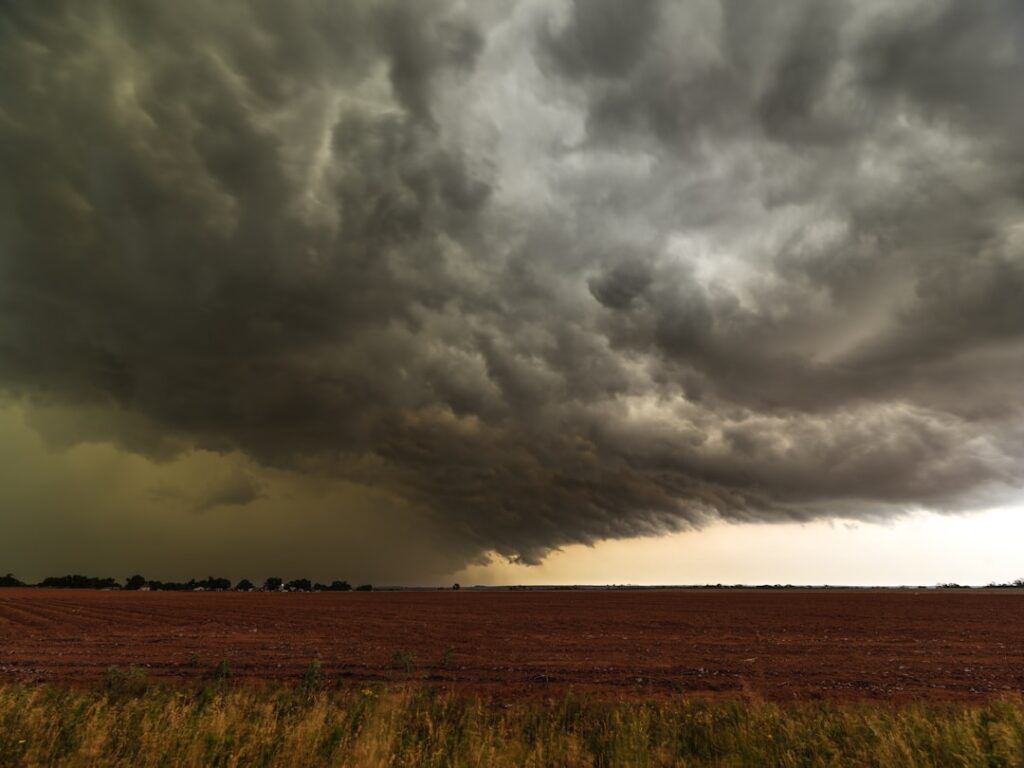
Tornado Warnings: Your Guide to Staying Safe
Tornadoes are some of nature’s most destructive forces, and the United States experiences more tornadoes than any other country in the world. With the rising frequency and intensity of these storms due to climate change, understanding tornado warnings has never been more critical. In this blog post, we will delve into what tornado warnings mean, how to prepare, and what to do when a warning is issued.
What Is a Tornado Warning?
A tornado warning is issued by the National Weather Service (NWS) when a tornado has been sighted or indicated by weather radar. This is an urgent notification alerting the public to take immediate action to protect themselves. The key difference between a tornado watch and a tornado warning is that a watch means conditions are favorable for tornadoes to form, while a warning signifies that a tornado is occurring or imminent.
How Are Tornado Warnings Issued?
Tornado warnings are typically issued based on real-time data from Doppler radar, which detects rotation in thunderstorms. Additionally, storm spotters on the ground help verify tornado sightings. Once a tornado is confirmed, meteorologists quickly assess the situation and issue a warning, often giving the public only a short window to seek safety.
Preparing for a Tornado Warning
Preparation is crucial when it comes to tornadoes. Here are some essential tips to ensure you and your loved ones are ready:
- Create a Safety Plan: Designate a safe room in your home, preferably in the basement or an interior room without windows.
- Gather Supplies: Stock your safe room with essentials like water, non-perishable food, flashlights, and a first-aid kit.
- Stay Informed: Use weather apps or NOAA Weather Radio to receive real-time updates on tornado watches and warnings.
- Practice Drills: Regularly practice your tornado safety plan with your family so everyone knows what to do when a warning is issued.
During a Tornado Warning
When a tornado warning is issued, immediate action is necessary. Here’s what to do:
- Seek Shelter: Go to your pre-designated safe room. If you are outside, find a low-lying area like a ditch to lie down and protect your head with your arms.
- Stay Away from Windows: Flying debris is a leading cause of injury during tornadoes. Stay clear of windows and exterior walls.
- Listen for Updates: Keep a battery-operated radio or your smartphone handy to receive updates.
After the Tornado Warning
Once the tornado has passed, ensure your safety by following these steps:
- Wait for the All-Clear: Don’t leave your safe area until authorities confirm it’s safe.
- Avoid Damaged Areas: Stay away from downed power lines and debris.
- Report Damage: Help local authorities assess the extent of the damage in your community.
Conclusion
Understanding tornado warnings and knowing how to react can save lives. By preparing in advance, you enhance your chances of staying safe during these severe weather events. Keep yourself informed, create a plan, and remember that tornado warnings are a call to action. Stay safe!
Read Also:
Why Did Spirit Airlines Shut Down?
Source:
Google Trends
{“@context”:”https://schema.org”,”@type”:”FAQPage”,”mainEntity”:[{“@type”:”Question”,”name”:”What should I do when I receive a tornado warning?”,”acceptedAnswer”:{“@type”:”Answer”,”text”:”Seek immediate shelter in a safe room or a low-lying area, away from windows, and stay updated through weather alerts.”}},{“@type”:”Question”,”name”:”How can I differentiate between a tornado watch and a warning?”,”acceptedAnswer”:{“@type”:”Answer”,”text”:”A tornado watch indicates conditions are favorable for tornadoes, while a warning means a tornado has been sighted or indicated by radar.”}}]}