


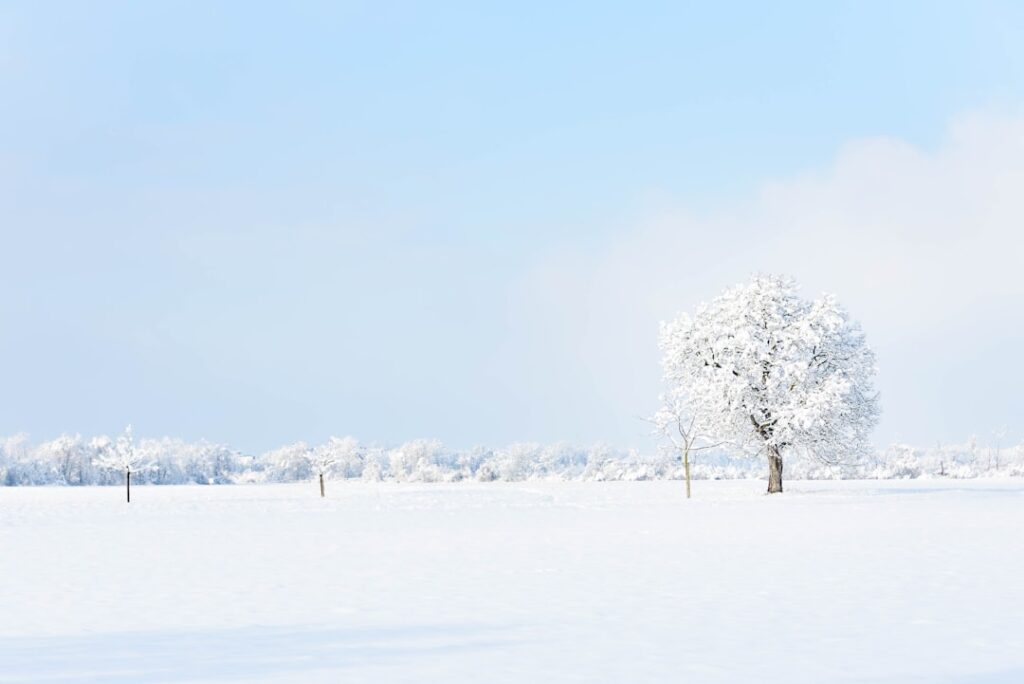
Understanding Winter Weather Advisory: What You Need to Know
As winter settles in across the United States, a winter weather advisory is becoming a common sight in weather forecasts. These advisories inform the public about impending snow, ice, or freezing rain that may impact safety. In this blog post, we’ll dive into the details of winter weather advisories, what they mean, and how to prepare for winter’s challenges.
What is a Winter Weather Advisory?
A winter weather advisory is issued by the National Weather Service (NWS) when weather conditions could cause hazardous travel or disrupt daily activities. It serves as a preliminary alert to the public regarding potentially severe weather conditions, but typically indicates that the event will not be life-threatening. Advisory criteria can vary by region, reflecting local climates and weather patterns.
When is a Winter Weather Advisory Issued?
The NWS issues winter weather advisories when the following conditions are expected:
- Snow accumulation of 1 to 3 inches within 12 hours
- Freezing rain accumulation of less than 0.25 inches
- Significant icing or a light glaze on roads
- Wind chill temperatures that may lead to frostbite
By monitoring local weather updates, you can stay informed about when an advisory is in effect.
How to Prepare for Winter Weather Advisories
Preparation is key when it comes to dealing with winter weather. Here are some steps to ensure your safety and minimize disruptions:
- Stay Informed: Track local weather forecasts and subscribe to alerts from the NWS.
- Prepare Your Vehicle: Ensure your car is winter-ready. This includes checking antifreeze levels, battery, and tire pressure.
- Emergency Kits: Stock your home and vehicle with emergency kits that include blankets, flashlights, non-perishable food, and water.
- Minimize Travel: If possible, avoid driving during severe weather conditions. If you must travel, let someone know your route and expected arrival time.
Safety Tips During a Winter Weather Advisory
During a winter weather advisory, adhere to these safety tips to protect yourself and your loved ones:
- Avoid walking on icy sidewalks and driveways to prevent falls.
- Keep an eye on weather updates, especially if you’re traveling.
- If you lose power, know how to use generator safely to avoid carbon monoxide hazards.
- Check on elderly neighbors and family members who may need assistance.
Understanding Your Local Weather Patterns
Different areas experience winter weather uniquely. In regions prone to heavy snowfall like the Northeast, winters can be characterized by significant accumulations that warrant advisories. Conversely, southern states may issue advisories for even minor ice or snow due to less prepared infrastructure.
Conclusion
Winter weather advisories are vital alerts that help you prepare for challenging weather conditions. By understanding what they mean and how to respond, you can better ensure your safety and well-being during the winter months. Monitor your local forecasts and stay informed—preparation is the best strategy in overcoming winter weather challenges.
Read Also:
Understanding Severe Flood Risk in the United States: Causes, Impact, and Mitigation
Source:
Google Trends
{“@context”:”https://schema.org”,”@type”:”FAQPage”,”mainEntity”:[{“@type”:”Question”,”name”:”What does a winter weather advisory mean?”,”acceptedAnswer”:{“@type”:”Answer”,”text”:”It indicates potentially hazardous winter weather conditions that may cause travel disruptions but are not life-threatening.”}},{“@type”:”Question”,”name”:”How can I prepare for winter weather?”,”acceptedAnswer”:{“@type”:”Answer”,”text”:”Stay informed about local weather updates, prepare your vehicle for winter conditions, stock emergency kits, and limit travel during severe conditions.”}}]}