



Understanding Prediction Markets: The Rising Trend in the United States
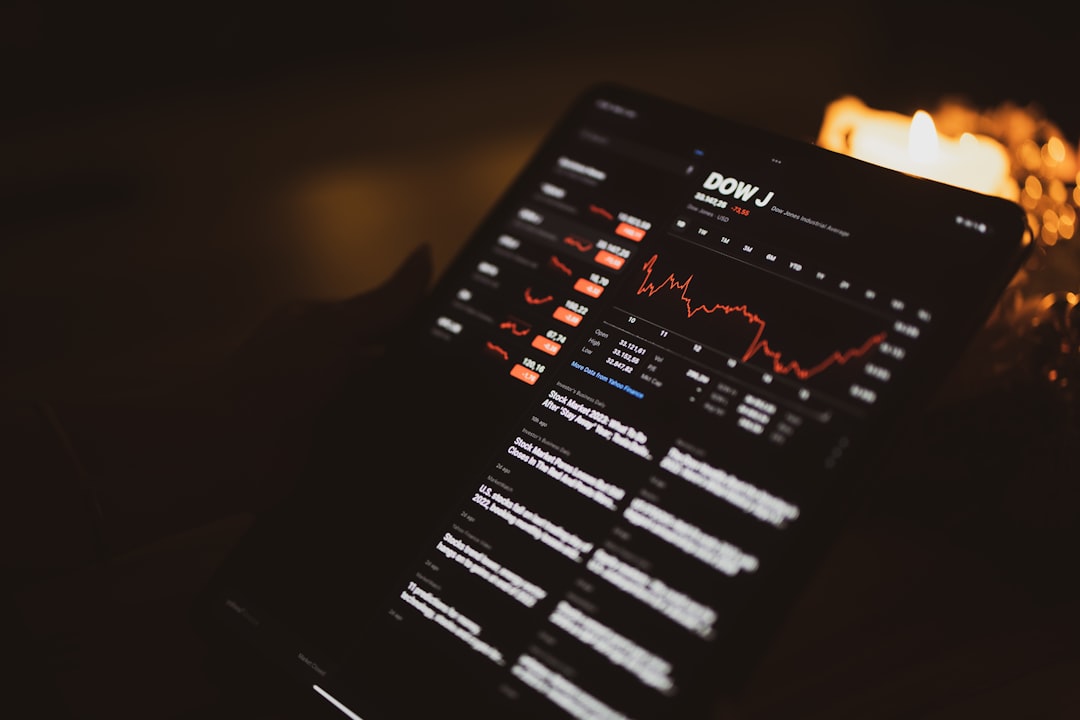
Understanding Prediction Markets
In recent years, prediction markets have gained significant traction across the United States, becoming a trendy platform for forecasting a variety of events, from political elections to entertainment outcomes. But what exactly are prediction markets, and why are they becoming such a popular tool?
What Are Prediction Markets?
Prediction markets, also known as ‘betting markets’ or ‘event futures’, are exchange-traded markets where individuals can buy and sell shares in the outcome of future events. The price of the shares reflects the collective belief of the market participants regarding the likelihood of a given outcome occurring. Essentially, if people believe an event is highly likely to happen, the price of that event’s share will increase.
How Prediction Markets Work
Prediction markets operate on the same principles as stock markets. Participants trade shares based on their predictions. For example, if a participant believes a particular candidate will win an upcoming election, they might buy shares of that candidate. If the candidate wins, the shares increase in value, providing profit to the buyer.
Market mechanisms help drive the price toward an accurate reflection of real-world possibilities. This is facilitated by the ‘wisdom of the crowd,’ where a diverse group of people converges on a more accurate prediction than any single expert could offer.
The Popularity of Prediction Markets in the U.S.
The United States has seen an uptick in the usage of prediction markets for several reasons. One primary factor is the growing interest in betting and gamification in various sectors. With technology making trading easier and more accessible, many individuals find engaging with prediction markets exciting and potentially profitable.
Moreover, prediction markets are increasingly used in business strategy, enabling companies to forecast product launches or economic trends more accurately. This trend is further fueled by the rise of cryptocurrency and blockchain technologies, which offer decentralized and more secure platforms for trading.
Legal and Ethical Considerations
Despite their popularity, prediction markets operate in a legal gray area in the U.S. While they provide innovative ways to gauge public interest and forecast outcomes, they must navigate complex gambling regulations. Understanding and maintaining ethical guidelines in trading is crucial; ensuring fairness and accuracy in markets is imperative for credibility.
The Future of Prediction Markets
The future of prediction markets looks promising. As more individuals recognize their potential benefits, we may see a surge in the establishment of new trading platforms and growth of existing ones. Additionally, advancements in AI and machine learning could further enhance their predictive capabilities, making them even more reliable for specific industries.
Conclusion
Prediction markets represent an exciting intersection of finance and forecasting, quickly becoming a go-to resource in the United States for guessing the outcome of everything from elections to sports events. As technology and public acceptance grow, the potential for prediction markets to become mainstream in various aspects of society will only increase, making them a trend worth watching.
Read Also:
Discover Mattamy Homes: The Hottest Trend in American Real Estate
Source:
Google Trends
{“@context”:”https://schema.org”,”@type”:”FAQPage”,”mainEntity”:[{“@type”:”Question”,”name”:”What are the risks involved in prediction markets?”,”acceptedAnswer”:{“@type”:”Answer”,”text”:”Risks include regulatory issues, market volatility, and the potential for loss, similar to traditional betting and stock trading.”}},{“@type”:”Question”,”name”:”Are prediction markets legal in the U.S.?”,”acceptedAnswer”:{“@type”:”Answer”,”text”:”Prediction markets exist in a legal gray area and may be subject to state and federal gambling laws. Understanding local regulations is crucial.”}}]}