

The Impact of Tornado Damage in Illinois: What You Need to Know

Understanding Tornado Damage in Illinois
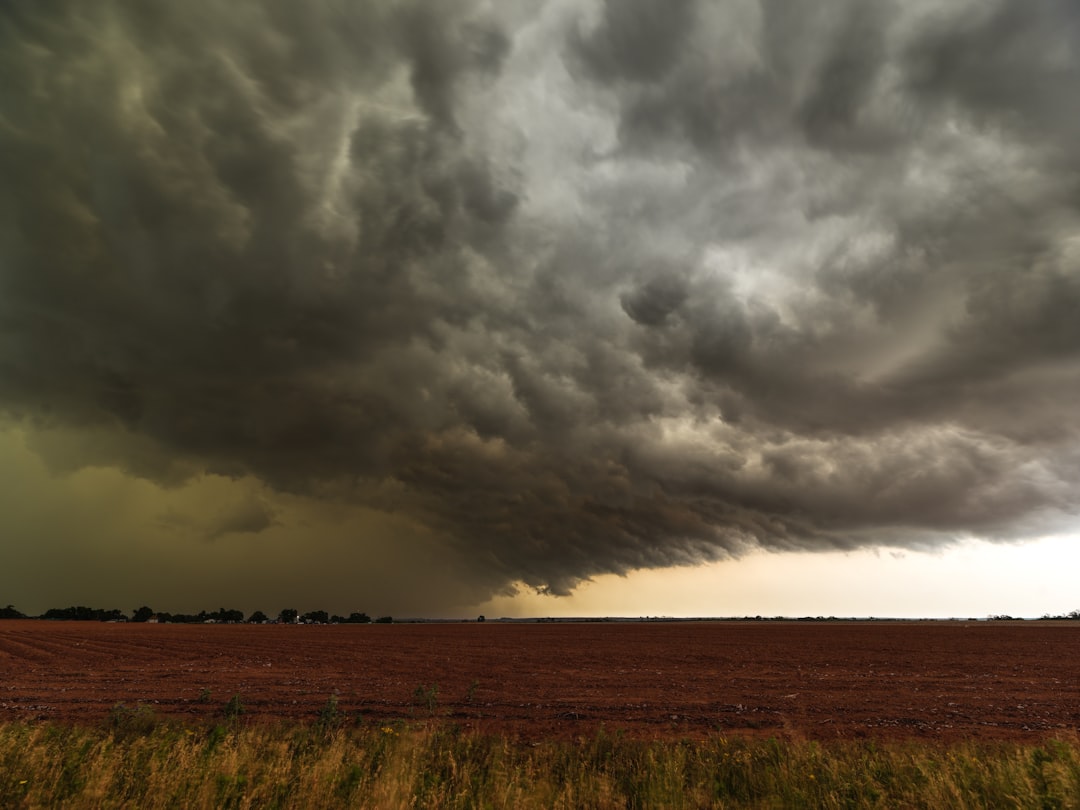
Tornadoes have long been a part of the weather pattern in the United States, and Illinois is no exception. The state experiences an average of 50 tornadoes each year, making it crucial for residents to understand the implications of these natural disasters. In 2023, tornado damage in Illinois captured headlines once again, prompting discussions about safety, recovery, and resilience.
Recent Tornado Events in Illinois
In late spring of 2023, several tornadoes touched down across the state, particularly affecting the central and southern regions. These tornadoes caused significant destruction, leaving homes, businesses, and infrastructure in disarray. The small towns of Edwardsville and Washington were particularly hard-hit, with numerous reports of damaged structures and uprooted trees.
What Causes Tornadoes?
Tornadoes are born from severe thunderstorms when warm, moist air from the Gulf of Mexico collides with cool, dry air from Canada. This combination can create instability in the atmosphere, leading to the swirling winds that form tornadoes. Illinois’s geographic location often places it in the path of this interaction, making it susceptible to tornadoes, especially during spring and summer.
Assessing Tornado Damage
The damage caused by tornadoes can vary significantly, often depending on the tornado’s strength and duration. The Enhanced Fujita Scale categorizes tornadoes from EF0 (weak) to EF5 (incredible). In 2023, several tornadoes were classified as EF2, indicating winds between 111-135 mph, capable of causing devastating damage. Infrastructure, such as schools and hospitals, often faces the brunt of these powerful storms, as do residential areas.
Safety Measures and Preparedness
One of the most crucial aspects of dealing with tornado threats is preparation. Residents of Illinois are encouraged to have an emergency plan that includes a designated safe location, such as a basement or an interior room without windows. Keeping a stocked emergency kit with food, water, and first aid supplies is essential for anyone living in a tornado-prone area.
Recovery and Community Support
The recovery process after a tornado can be long and arduous. Many communities in Illinois have shown incredible resilience, coming together to help those affected by the disaster. Local organizations and volunteers often provide assistance in the form of temporary housing, financial support, and counseling services.
Government Assistance Programs
After major tornado events, government agencies, including FEMA (Federal Emergency Management Agency), may offer assistance to help residents rebuild and recover. Homeowners affected by tornado damages can apply for grants and low-interest loans to repair their properties.
Conclusion: Staying Informed and Prepared
As tornadoes continue to pose a threat to Illinois, residents must remain vigilant and prepared. Monitoring weather alerts, educating oneself about tornado safety, and actively participating in community recovery efforts can make a significant difference. With the right support and resources, communities can recover and rebuild stronger than ever.
Read Also:
Juventus vs Bologna: A Clash of Titans in Serie A
Source:
Google Trends
{“@context”:”https://schema.org”,”@type”:”FAQPage”,”mainEntity”:[{“@type”:”Question”,”name”:”What should I do during a tornado warning?”,”acceptedAnswer”:{“@type”:”Answer”,”text”:”Seek shelter in a sturdy building, preferably in a basement or an interior room without windows. Listen to weather updates for guidance.”}},{“@type”:”Question”,”name”:”How can I assess tornado damage after a storm?”,”acceptedAnswer”:{“@type”:”Answer”,”text”:”Check for structural damage, downed power lines, and gas leaks. If itu2019s unsafe, wait for professionals to evaluate the area.”}}]}