



Comprehensive Guide to Storm Damage Restoration: What You Need to Know
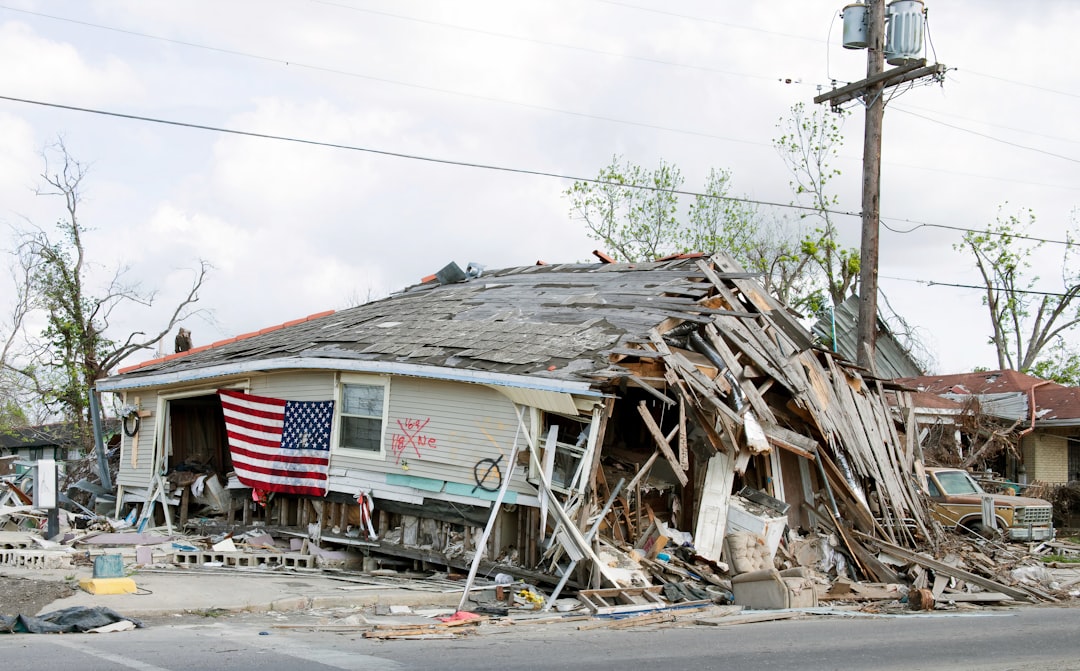
Understanding Storm Damage Restoration
Storms can leave devastating effects on homes and businesses across the United States. With climate change leading to more frequent and severe weather events, understanding storm damage restoration has become increasingly important for homeowners. In this article, we’ll explore the importance of storm damage restoration, the steps involved in the process, and tips for preventing further damage.
Why Storm Damage Restoration is Essential
When a storm hits, the damage can range from minor leaks to complete structural failure. Immediate restoration is critical to prevent further damage and mitigate health risks related to mold and mildew. Delaying necessary repairs can lead to increased repair costs and worsened property conditions.
Steps in the Storm Damage Restoration Process
Effective storm damage restoration involves several key steps:
1. Assessment
The first step in the restoration process is to assess the extent of the damage. This may involve a comprehensive evaluation of the property to identify structural issues, water damage, and any debris that needs to be cleared.
2. Emergency Services
After assessment, emergency services are often required to stabilize the property. This could include boarding up windows, tarping roofs, and extracting standing water to prevent further damage.
3. Water Damage Mitigation
Water removal and drying are critical components of storm damage restoration. Professional restoration teams use specialized equipment such as dehumidifiers and high-powered fans to eliminate moisture and prevent mold growth.
4. Repair and Reconstruction
Once the property is dry, repairs can begin. This may involve drywall replacement, structural repairs, and roof replacement. Working with experienced contractors who specialize in storm damage restoration ensures that repairs are completed correctly and in compliance with local building codes.
5. Final Inspection
After the restoration is complete, a final inspection is necessary to ensure everything has been properly repaired and is safe for re-occupancy. This step helps to identify any remaining issues that need attention.
Preventing Future Storm Damage
While you can’t control the weather, there are steps you can take to reduce the risk of storm damage:
- Regular Maintenance: Regular roof inspections and maintenance can help catch potential issues before they become major problems.
- Tree Trimming: Keep trees trimmed and healthy to reduce the risk of branches falling on your property.
- Install Storm Shutters: Investing in storm shutters can provide an additional layer of protection for windows during severe weather.
- Check Drainage: Ensure that gutters and downspouts are clear to prevent water pooling around the foundation.
- Invest in Insurance: Comprehensive insurance coverage can provide financial protection against storm-related damage.
Choosing a Restoration Company
When selecting a storm damage restoration service, consider the following:
- Experience: Choose a company with a proven track record in storm damage restoration.
- Certification: Verify that the company is certified and follows industry standards for restoration.
- Reviews: Check online reviews and testimonials to gauge customer satisfaction.
- Insurance: Ensure they have proper insurance to cover any potential liabilities.
Conclusion
Storm damage restoration is a crucial service for homeowners facing the fallout of severe weather. By understanding the restoration process and taking proactive steps, you can better prepare for unexpected storms and protect your home. If you’ve experienced storm damage, contact a professional restoration company to begin the recovery process.
Read Also:
Final Fantasy IX Remake: A Nostalgic Journey Awaits
Source:
Google Trends
{“@context”:”https://schema.org”,”@type”:”FAQPage”,”mainEntity”:[{“@type”:”Question”,”name”:”What is storm damage restoration?”,”acceptedAnswer”:{“@type”:”Answer”,”text”:”Storm damage restoration is the process of repairing and restoring properties after damage caused by severe weather events, such as hurricanes, floods, or storms.”}},{“@type”:”Question”,”name”:”How long does the restoration process take?”,”acceptedAnswer”:{“@type”:”Answer”,”text”:”The duration of the restoration process can vary depending on the extent of the damage, but it typically takes days to weeks to complete.”}},{“@type”:”Question”,”name”:”Can I handle storm damage repairs myself?”,”acceptedAnswer”:{“@type”:”Answer”,”text”:”While minor repairs can be done by homeowners, it is often advisable to hire professionals for extensive damage to ensure safety and compliance with building codes.”}}]}