


Exploring Los Angeles Weather: Your Ultimate Guide to Climate, Seasons, and Trends
Understanding Los Angeles Weather
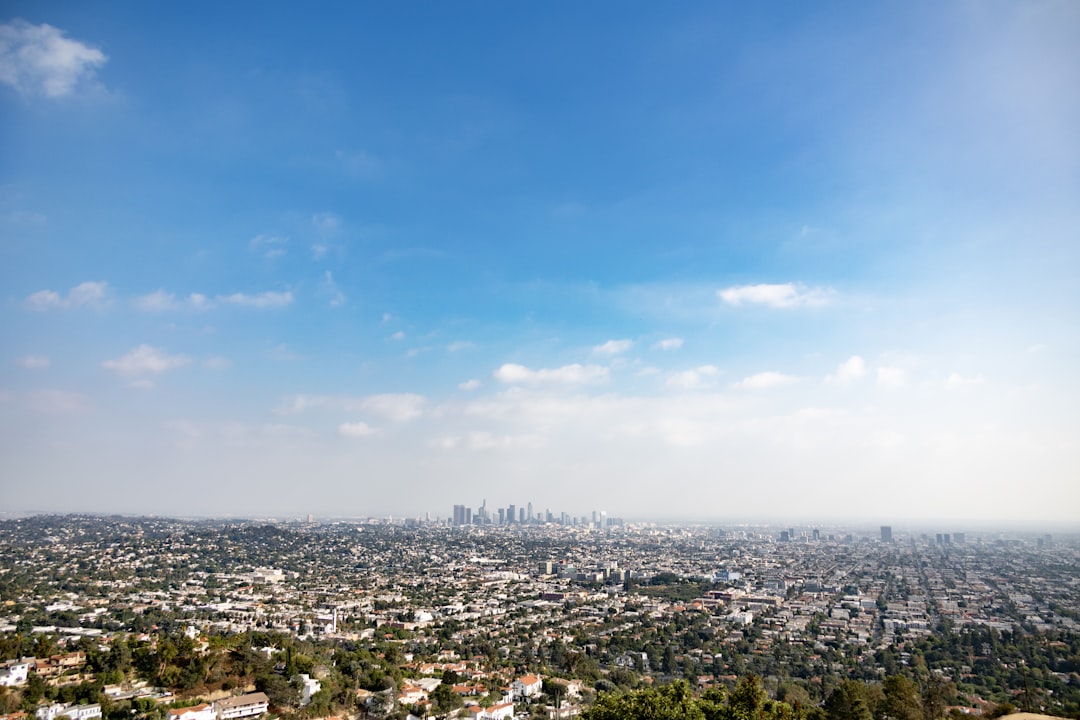
Los Angeles, the City of Angels, is celebrated for its vibrant culture, stunning landscapes, and of course, its weather. With a Mediterranean climate, LA showcases year-round sunny days and moderate temperatures, making it a favorite destination for tourists and residents alike. In this blog post, we’ll dive deep into what you can expect from the weather in Los Angeles throughout the year.
The Seasons in Los Angeles
Los Angeles weather primarily consists of two seasons: a hot, dry summer and a mild, wet winter. Knowing this can help you plan your visit or relocation more effectively.
Summer (June – August)
Summer in Los Angeles can be quite warm, with average high temperatures ranging from the mid-80s to mid-90s °F (29-35 °C). Coastal areas tend to be cooler due to ocean breezes, while inland areas can experience day-to-day temperature variations. Evenings provide a pleasant reprieve from the heat, making it a great time for outdoor activities and events.
Fall (September – November)
Fall is arguably one of the best times to experience Los Angeles. September can still feel like summer, but as the months progress into October and November, temperatures begin to cool down, making it comfortable for exploration. The early fall allows for clear skies and minimal rainfall, while the foliage around the city starts to transform into striking autumn colors.
Winter (December – February)
Winter temperatures in Los Angeles are mild compared to many other regions, with averages ranging from the mid-60s to low 70s °F (15-21 °C). Rain is most prevalent during these months, but major storms are still rare. December can see occasional cold snaps, but overall, winter weather in LA remains pleasant, making it an attractive destination for those looking to escape harsher climates.
Spring (March – May)
Spring in Los Angeles brings blooming wildflowers and increasingly warmer weather, with temperatures gradually rising into the 70s and 80s °F (21-29 °C). This season offers some of the clearest and most enjoyable weather, perfect for hiking in the nearby mountains or enjoying beach days against the wonderful sunsets.
Average Temperatures and Rainfall
The annual average temperature in Los Angeles is around 65 °F (18 °C), but this can vary widely depending on the area you’re in. Coastal regions like Santa Monica and Venice Beach tend to be cooler, while places like the San Fernando Valley often reach higher temperatures. In terms of rainfall, LA’s rainy season runs from November to March, with an average annual precipitation of around 15 inches (380 mm).
Weather Trends and Climate Change
As with many cities across the globe, Los Angeles is facing challenges related to climate change. Trends show an increase in temperatures and changes in precipitation patterns. The summer heat might intensify over the coming years, and residents should stay informed about local advisories and potential drought conditions.
Conclusion
Los Angeles weather provides the perfect backdrop for an exciting urban lifestyle accented by beautiful outdoor experiences. Whether you want beach days in the summer, hiking amidst stunning spring blooms, or a mild winter escape, LA has it all. By familiarizing yourself with the seasonal patterns and changes, you can make the most out of your time in this vibrant city.
Read Also:
The 2023 NBA MVP Race: Who's Taking Home the Coveted Trophy?
Source:
Google Trends
{“@context”:”https://schema.org”,”@type”:”FAQPage”,”mainEntity”:[{“@type”:”Question”,”name”:”What is the best time to visit Los Angeles?”,”acceptedAnswer”:{“@type”:”Answer”,”text”:”The best time to visit Los Angeles is during the spring (March to May) and fall (September to November) when the weather is mild and enjoyable.”}},{“@type”:”Question”,”name”:”Does it rain a lot in Los Angeles?”,”acceptedAnswer”:{“@type”:”Answer”,”text”:”While Los Angeles does experience a rainy season, it averages around 15 inches of rain per year, making it relatively dry compared to other cities.”}}]}