



Heavy Snow Warning: What You Need to Know This Winter
Understanding Heavy Snow Warnings
As winter approaches, the United States braces for frigid temperatures and, for many regions, significant snowfall. Heavy snow warnings are becoming increasingly common, signaling to residents the potential impact of extreme weather. This article will help you understand what a heavy snow warning means, how it can affect you, and what precautions to take.
What Triggers a Heavy Snow Warning?
A heavy snow warning is issued by the National Weather Service (NWS) when snowfall rates are expected to exceed a specific threshold over a short period. Generally, this warning indicates that snow accumulation of 6 inches or more is expected within 12 hours or less. This weather phenomenon results from cold air masses colliding with moisture-laden systems, creating heavy precipitation.
Regions Most Affected by Heavy Snow
While heavy snow can occur across many areas of the U.S., certain regions are particularly prone to heavy snow warnings. The Northeast, Midwest, and mountainous regions typically experience more frequent and significant snowfalls. States like New York, Minnesota, and Colorado often face winter storms that entail heavy snow, leading to reduced visibility and hazardous travel conditions.
Impact of Heavy Snow on Daily Life
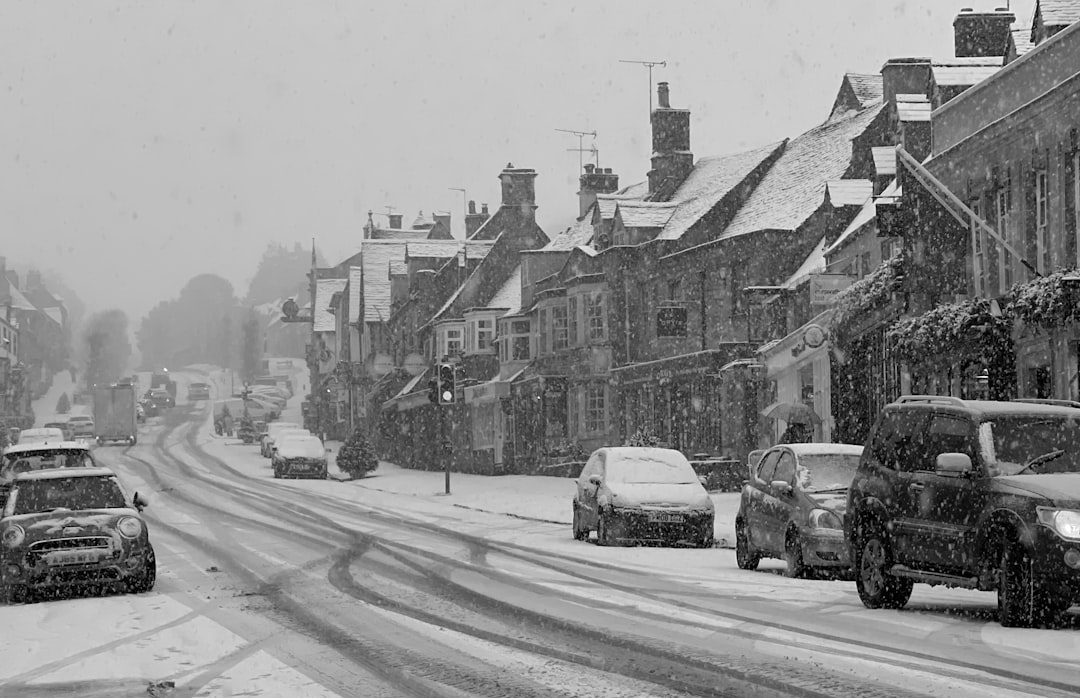
Heavy snow can have a profound impact on daily life. Travel becomes treacherous as roads can become clogged with snow and ice, leading to accidents and delayed commutes. Public transport also suffers, affecting bus and train schedules. Businesses may close, and events are often canceled. Prolonged heavy snowfall can lead to power outages, as tree branches heavy with snow can snap and take down power lines. It’s crucial to stay updated on the weather forecast and be prepared for these disruptions.
How to Prepare for a Heavy Snow Warning
Preparation is key when a heavy snow warning is issued. Here are some steps to take:
- Stay Informed: Regularly check weather updates and alerts from reliable sources like the NWS.
- Stock Supplies: Make sure you have enough food, water, medications, and winter supplies like blankets and flashlights.
- Avoid Travel: If possible, stay home during a heavy snow event to avoid getting stuck in traffic or in snowdrifts.
- Winterize Your Vehicle: Ensure that your car is equipped with winter tires, and keep an emergency kit onboard.
- Clear Snow Safely: Use proper techniques to shovel snow, and avoid exhausting yourself, taking breaks as needed.
What to Do During and After Heavy Snowfall
During heavy snowfall, it’s best to stay indoors and keep warm. Monitor local news channels and social media for updates. When venturing outside is necessary, wear appropriate winter clothing and remain vigilant about your surroundings, especially on icy surfaces.
After the snowfall, assess your property for any damage and clear walkways safely. If you notice downed power lines or any hazardous conditions, report them to local authorities.
Conclusion
Heavy snow warnings can pose serious challenges during the winter months, but with proper preparation and awareness, you can navigate through these conditions safely. Always prioritize safety and stay informed. As winter progresses, let’s embrace the beauty of the season while being cautious about its challenges.
Stay Safe This Winter
Weather can be unpredictable, and heavy snow is just one aspect of the winter season. Keep an eye on the forecast, and make safety your number one priority. Prepare, stay alert, and enjoy the snowy landscapes!
Read Also:
Diamondbacks vs Mets: A Thrilling Clash in MLB 2023
Source:
Google Trends
{“@context”:”https://schema.org”,”@type”:”FAQPage”,”mainEntity”:[{“@type”:”Question”,”name”:”What should I do if a heavy snow warning is issued in my area?”,”acceptedAnswer”:{“@type”:”Answer”,”text”:”Stay informed through weather updates, stock essential supplies, avoid traveling if possible, and ensure your vehicle is winter-ready.”}},{“@type”:”Question”,”name”:”How does heavy snow affect travel?”,”acceptedAnswer”:{“@type”:”Answer”,”text”:”Heavy snow can create hazardous conditions on roads, causing accidents, delays in public transport, and potential closures.”}}]}