


The Complete Guide to Boston Weather: What to Expect Throughout the Year
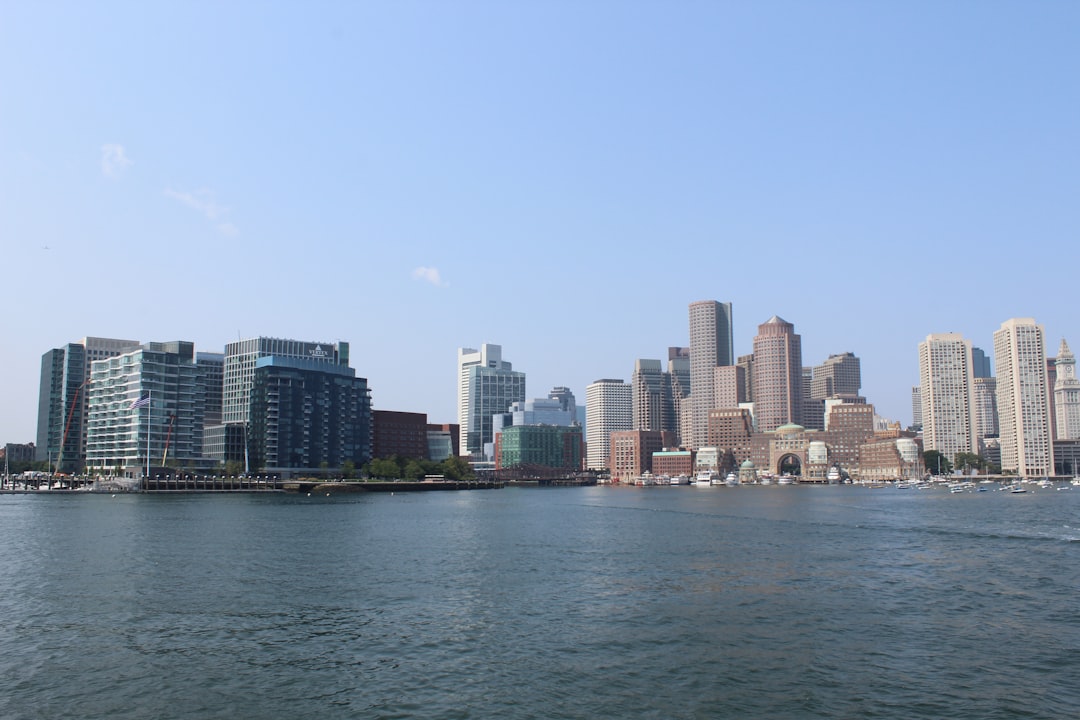
Understanding Boston Weather: A Seasonal Breakdown
Boston, Massachusetts, brings a diverse climate that offers a little bit of everything. From chilly winters to humid summers, it’s essential to know what to expect throughout the year when planning your visit or settling down in this historic city. In this blog post, we’ll explore Boston’s weather, seasonal changes, and tips for enjoying each one.
Winter in Boston: Cold and Snowy
Winter in Boston typically lasts from December through February. During this season, temperatures can drop to the low 30s°F (about -1°C), and snowfall is common. Bostonians experience an average of 44 inches of snow annually, so if you’re planning a winter trip, be prepared for potential snowstorms. However, the beauty of Boston’s snowfall transforms the city into a winter wonderland, perfect for activities such as ice skating on the Frog Pond at Boston Common.
Winter Tips:
- Dress in layers to keep warm during the colder months.
- Check snow forecasts and be prepared for possible travel delays.
- Embrace the season by visiting local events like the Boston Winter Holiday Market.
Spring in Boston: Blooming Beauty
Spring marks a beautiful transition in Boston, usually emerging in March and lasting through May. Temperatures gradually rise, ranging from the mid-40s°F (about 7°C) in March to the mid-70s°F (around 24°C) by May. Spring is an excellent time to visit the Boston Public Garden, where flowers bloom and outdoor life begins to flourish.
Spring Tips:
- Enjoy outdoor activities like the Boston Marathon in April.
- Spring brings rain, so pack a light jacket and an umbrella.
- Take advantage of the beautiful weather by exploring walking trails and parks.
Summer in Boston: Warm and Humid
Summer in Boston lasts from June to August. The city experiences warm, humid weather with temperatures often reaching the mid-80s°F (about 29°C) or higher. While you enjoy the various outdoor events, it’s important to stay hydrated and cool. This season is perfect for attending outdoor festivals, visiting the harbor, or enjoying the city’s beaches.
Summer Tips:
- Pack breathable clothes to tackle the heat and humidity.
- Explore local festivals like the Boston Harborfest.
- Take advantage of the cooler evenings for outdoor dining.
Fall in Boston: A Tapestry of Color
Fall in Boston is simply breathtaking, occurring from September through November. This season is known for its vibrant foliage, making it a popular time for tourists. Temperatures begin in the high 70s°F (around 25°C) in September, gradually dropping to the 40s°F (about 4°C) in November. The New England fall is iconic, and Boston’s parks are the best places to witness the colorful transformation.
Fall Tips:
- Visit local farms for apple picking and fall festivities.
- Dress in layers as temperatures can vary throughout the day.
- Don’t miss the Boston Leaf Peeping Tours.
Conclusion
Understanding the weather in Boston enhances your experience, whether you’re a resident or a visitor. Each season offers unique opportunities to explore the city. With this guide, you’ll be prepared for whatever Mother Nature brings.
Read Also:
Understanding Road Conditions in Kansas City: What to Expect
Source:
Google Trends
{“@context”:”https://schema.org”,”@type”:”FAQPage”,”mainEntity”:[{“@type”:”Question”,”name”:”What is the coldest month in Boston?”,”acceptedAnswer”:{“@type”:”Answer”,”text”:”January is typically the coldest month in Boston, with average temperatures in the low 30su00b0F.”}},{“@type”:”Question”,”name”:”When is the best time to visit Boston?”,”acceptedAnswer”:{“@type”:”Answer”,”text”:”The best time to visit Boston is during the fall, especially in late September to October, to enjoy the beautiful foliage.”}}]}