



The Rising Tensions: Israel and Iran in the Spotlight
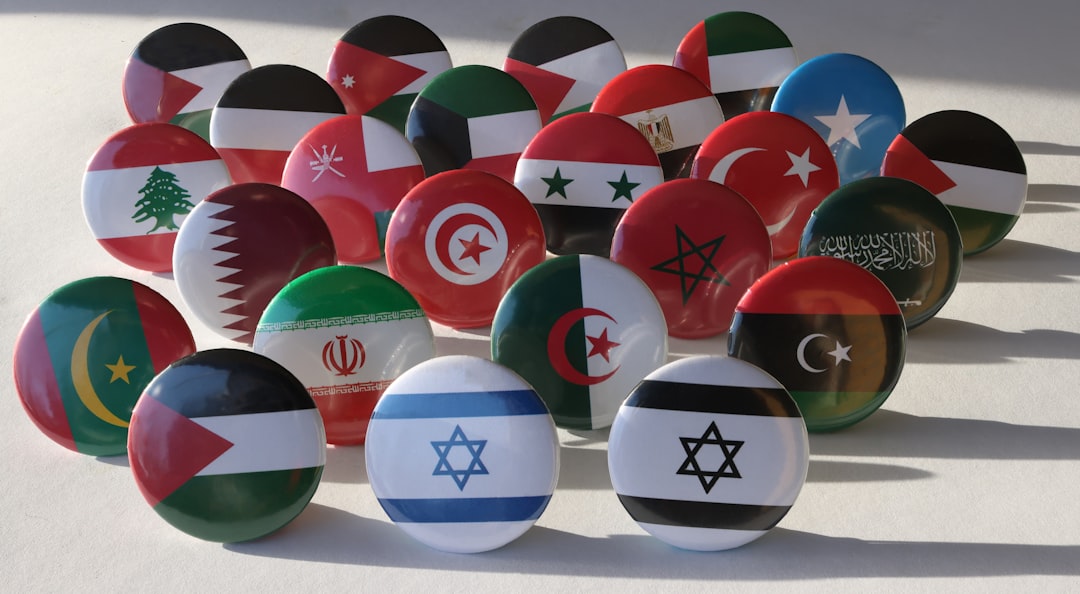
Understanding the Israel-Iran Relationship
The relationship between Israel and Iran has always been complex and fraught with tension. As these two countries continue to navigate their differences, the situation has garnered significant attention in the United States. This blog post seeks to explore the evolving dynamics and implications of this relationship.
Historical Context
To understand the current state of affairs, it is essential to grasp the historical context. Iran was once a close ally of Israel, particularly before the 1979 Iranian Revolution. The overthrow of the Shah led to the establishment of an Islamic Republic that views Israel as a major adversary. Over the years, hostilities have escalated, particularly regarding nuclear ambitions and regional influence.
The Nuclear Question
At the heart of the Israel-Iran conflict lies the contentious issue of nuclear weapons. Israel is widely believed to possess nuclear capabilities, while Iran has faced international scrutiny over its nuclear program. The United States has played a significant role in this discourse, supporting Israel’s right to defend itself against potential threats from Iran. As tensions rise, the question remains: whence will this nuclear brinkmanship lead?
Proxy Conflicts in the Region
Israel and Iran are also engaged in a broader regional confrontation, utilizing proxy forces to extend their influence. Iran supports groups like Hezbollah in Lebanon and Hamas in Gaza, while Israel conducts military operations to counter what it sees as Iranian expansionism. This ongoing battle for supremacy in the region has significant ramifications not only for the countries involved but for the entire Middle East.
Recent Developments
In recent months, tensions have escalated due to several incidents, including missile strikes and cyber warfare. Israel has intensified its military efforts to thwart Iranian operations in Syria, which it views as a direct threat. On the diplomatic front, the U.S. has had a mixed approach, balancing support for Israel with attempts to negotiate peace.
The Role of the U.S. in Israel-Iran Relations
The United States has historically been a staunch ally of Israel, providing military aid and political support. However, as the U.S. navigates its own foreign policy interests, including relations with Iran, the question of balancing these interests becomes increasingly complex. The looming possibility of a nuclear agreement or renewed sanctions has the potential to impact the U.S.-Israel relationship significantly.
The American Public’s View
The evolving dynamics of the Israel-Iran relationship have not gone unnoticed by the American public. Many Americans are concerned about the implications of a broader conflict, especially following decades of military involvement in the Middle East. As news reports and social media discussions highlight these trends, public opinion is increasingly divided on the best approach to take.
Conclusion: What Lies Ahead?
The Israel-Iran relationship is undoubtedly one of the most critical and controversial geopolitical issues facing the United States today. As both nations continue to assert their positions, the potential for conflict remains high. Understanding the complexities of this relationship is essential for anyone interested in international relations, diplomacy, and peace efforts in the region.
Read Also:
Jalen Williams: The Rising Basketball Star Captivating the United States
Source:
Google Trends
{“@context”:”https://schema.org”,”@type”:”FAQPage”,”mainEntity”:[{“@type”:”Question”,”name”:”What are the main issues between Israel and Iran?”,”acceptedAnswer”:{“@type”:”Answer”,”text”:”The main issues include nuclear ambitions, regional influence, and support for proxy groups.”}},{“@type”:”Question”,”name”:”How does U.S. foreign policy affect the Israel-Iran relationship?”,”acceptedAnswer”:{“@type”:”Answer”,”text”:”U.S. foreign policy plays a critical role in supporting Israel and navigating tensions with Iran.”}}]}