




Understanding Denver Smoke: What It Means for the U.S. and Your Health
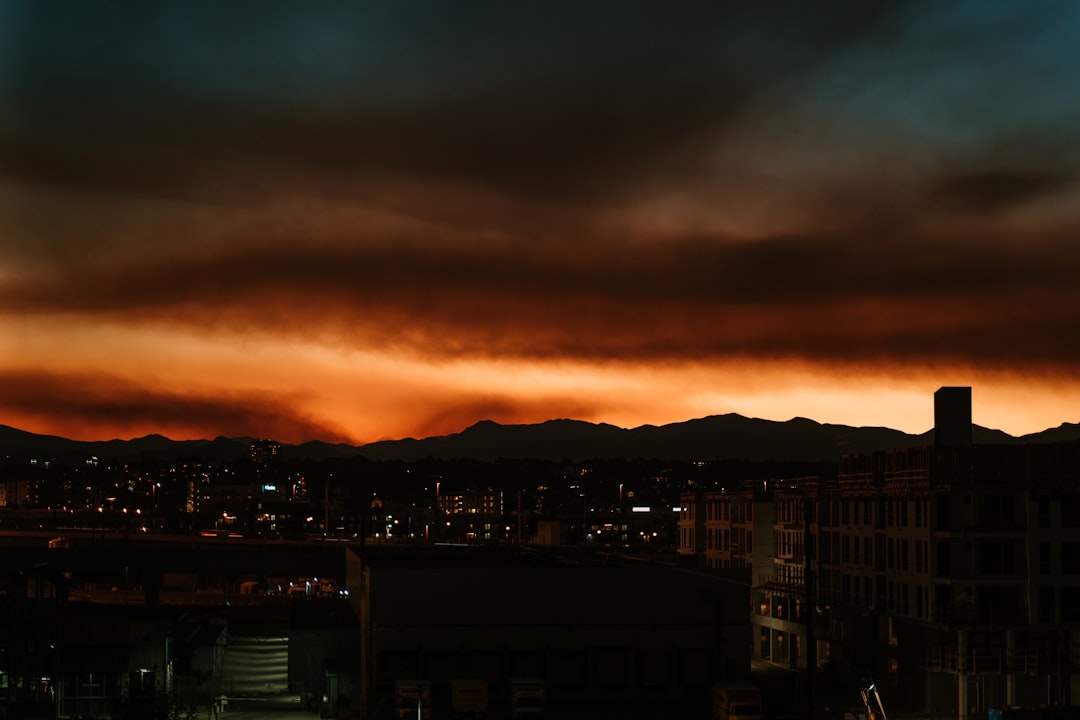
Understanding Denver Smoke: What It Means for the U.S. and Your Health
Sitting at the foot of the Rocky Mountains, Denver has become a focal point for conversations about air quality and wildfire smoke, especially in recent years. As smoke from wildfires continues to trend in the United States, understanding its implications is crucial for public health and safety.
What is Denver Smoke?
Denver smoke typically refers to the smoke that drifts into the city from nearby wildfires. These fires can occur in various parts of Colorado and neighboring states, especially during the hot, dry summer months. The impact of this smoke can be felt not only in Denver but across other urban areas in the U.S. as well.
The Rise of Wildfire Smoke Incidents
Over the past decade, the frequency and intensity of wildfires have increased in the western United States. Factors such as climate change, prolonged droughts, and forest management practices contribute to this trend. Consequently, cities like Denver are experiencing high levels of smoke, adversely affecting air quality.
Health Risks Associated with Smoke Exposure
Exposure to smoke from wildfires poses several health risks. The fine particulate matter, known as PM2.5, can penetrate deep into the lungs and enter the bloodstream, leading to respiratory issues, cardiovascular diseases, and other serious health problems. Vulnerable populations, including children, the elderly, and those with pre-existing conditions, are particularly at risk.
Staying Safe During Smoke Events
Understanding how to stay safe during periods of heightened smoke is critical. Here are some recommendations:
- Stay indoors with windows and doors closed.
- Use air purifiers with HEPA filters to reduce indoor air pollution.
- If you have to go outside, wear a mask designed to filter out fine particles.
- Monitor local air quality reports and follow guidance from health authorities.
The Role of Local Authorities
Local and state authorities play a significant role in providing timely information and resources during smoke events. The Colorado Department of Public Health and Environment (CDPHE) often issues alerts and recommendations to keep residents safe. Awareness campaigns about the symptoms of smoke exposure and the air quality index (AQI) are crucial for public health.
What Can Be Done to Mitigate Smoke Impact?
Mitigating the impacts of wildfire smoke requires a collective effort. On an individual level, residents can advocate for better fire management practices, support local initiatives for forest preservation, and engage in community discussions on climate action. Additionally, looking into sustainable practices in urban planning can help reduce the overall risks associated with wildfires.
Conclusion
As the trend of Denver smoke continues to impact public health, awareness, and preparation are paramount. Understanding the risks and the actions that can be taken will empower individuals and communities to navigate this ongoing challenge effectively. Together, we can work towards a healthier environment while addressing the underlying causes of wildfires and their smoke.
Read Also:
Understanding Tornado Watches: What You Need to Know
Source:
Google Trends
{“@context”:”https://schema.org”,”@type”:”FAQPage”,”mainEntity”:[{“@type”:”Question”,”name”:”What causes Denver smoke?”,”acceptedAnswer”:{“@type”:”Answer”,”text”:”Denver smoke is primarily caused by wildfires in and around Colorado, which release particulate matter that can affect air quality in urban areas.”}},{“@type”:”Question”,”name”:”How can I protect myself from smoke exposure?”,”acceptedAnswer”:{“@type”:”Answer”,”text”:”To protect yourself from smoke, stay indoors during high smoke conditions, use air purifiers, and wear masks if going outside is necessary.”}}]}