


Understanding Freezing Fog Advisory: What You Need to Know
Understanding Freezing Fog Advisory: What You Need to Know
As winter approaches in the United States, weather phenomena like freezing fog are becoming more prevalent. A freezing fog advisory is issued to warn residents about conditions that could create hazardous situations. In this post, we will explore what freezing fog is, why it occurs, when you should be concerned, and how to stay safe.
What is Freezing Fog?
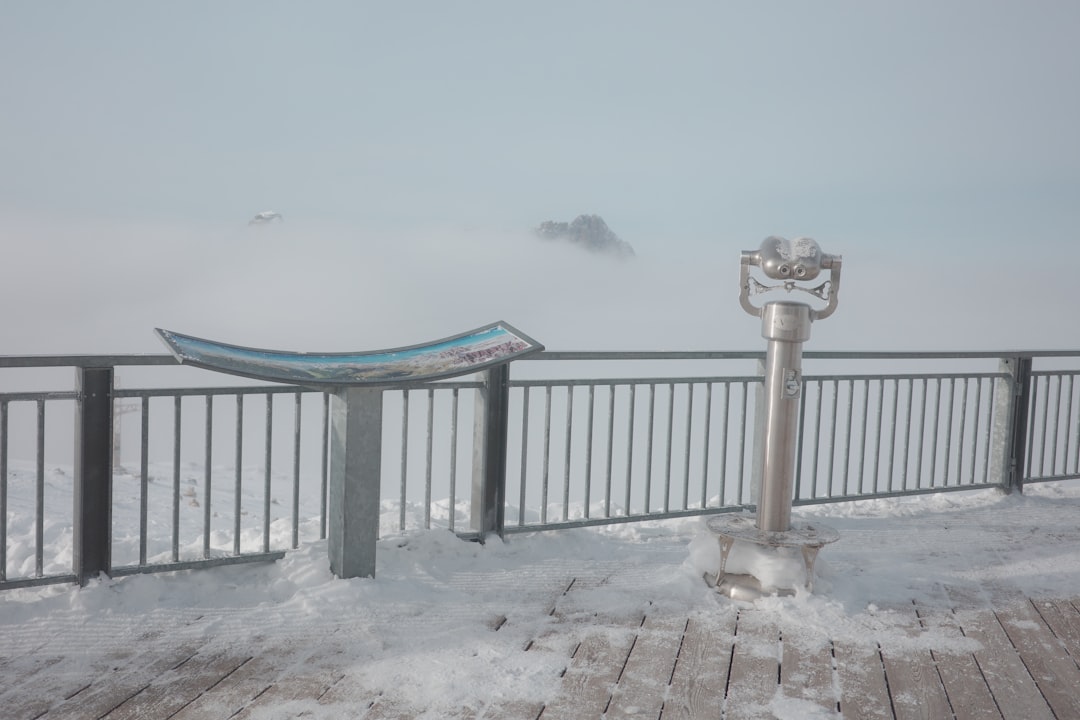
Freezing fog occurs when moisture in the air condenses into tiny droplets that remain suspended in the fog. These droplets freeze upon contact with surfaces such as trees, roads, and cars at temperatures below freezing. Unlike regular fog, freezing fog creates a deceptively beautiful landscape that can quickly lead to dangerous conditions.
Why Does Freezing Fog Occur?
Freezing fog typically occurs under specific atmospheric conditions. It usually forms overnight when the air cools and becomes saturated with moisture. The most common locations for freezing fog are valleys or low-lying areas where colder air tends to settle. High humidity levels, light winds, and clear skies can also contribute to the formation of freezing fog.
Timing and Impact of Freezing Fog Advisory
Weather agencies issue a freezing fog advisory when conditions are right for freezing fog to form. These advisories are crucial as they alert the public to the potential hazards of reduced visibility and slippery road conditions. Visibility can drop to less than a quarter of a mile, increasing the chances of accidents.
When Should You Be Concerned?
If you receive a freezing fog advisory, it is essential to take it seriously. The impact of freezing fog can vary from mild inconveniences to severe hazards, making it crucial to stay informed and prepared. It’s the perfect opportunity to reassess your travel plans and daily routines.
Staying Safe During Freezing Fog Conditions
To ensure your safety during freezing fog, consider these tips:
- Limit travel: If possible, avoid driving during freezing fog conditions, especially at night.
- Use fog lights: When driving is necessary, use your fog lights or low-beam headlights to improve visibility.
- Increase following distance: Leave plenty of space between your vehicle and the one in front of you to allow for sudden stops.
- Stay informed: Keep up with local weather updates to monitor conditions in your area.
Conclusion
Freezing fog advisories are essential for ensuring public safety during winter weather. By staying informed and understanding the risks associated with freezing fog, you can take necessary precautions to protect yourself and your loved ones. Keep an eye on forecasts and heed advisories to navigate winter safely.
Read Also:
Eng vs NZ: The Thrilling Rivalry Taking the US by Storm
Source:
Google Trends
{“@context”:”https://schema.org”,”@type”:”FAQPage”,”mainEntity”:[{“@type”:”Question”,”name”:”What should I do if there’s a freezing fog advisory in my area?”,”acceptedAnswer”:{“@type”:”Answer”,”text”:”Stay indoors if possible, limit travel, and stay informed about local weather updates.”}},{“@type”:”Question”,”name”:”How does freezing fog affect driving conditions?”,”acceptedAnswer”:{“@type”:”Answer”,”text”:”It can reduce visibility and create slippery road conditions, increasing the risk of accidents.”}}]}